A Practical Guide to the Korean Skincare Philosophy
Earlier this year, I caught my reflection at just the wrong angle.
My face looked fine. Better than fine, actually. But my neck? My neck was telling the truth I’d been politely ignoring. Loose. Crepey. Tired in a way no concealer can fix.
My first thought wasn’t “I should tweak my skincare.”
It was, Well shit. I guess I need to start saving for a neck lift.
That moment matters because it explains why K-Beauty finally clicked for me.
If you’ve been around here for a bit, you already know the backstory. The 62-year-old friend I hadn’t seen in years. No Botox. No downtime. Skin so good I blurted out, “What the hell are you doing to your face?” That was my first real introduction to Korean skincare.
But it wasn’t until the neck moment that I truly understood why K-Beauty works. And why it’s not a trend. It’s a philosophy.
K-Beauty Isn’t About Fixing. It’s About Preventing.
Most of us in the U.S. grew up with a very aggressive idea of skincare. Scrub it. Strip it. Zap it. Burn it off. Peel it back. Fix it when it’s already broken.
K-Beauty flips that logic on its head.
The Korean skincare philosophy is rooted in prevention. The goal isn’t to attack your skin once it’s aging or inflamed. The goal is to keep it healthy, hydrated, and supported so it doesn’t need to be rescued later.
That’s why hydration and skin barrier health are at the center of everything. Not acids for the sake of acids. Not “miracle” actives layered until your face is angry.
Healthy skin first. Everything else comes after. And yes, that matters more as your skin ages.
Why Is K-Beauty So Popular?
Because it delivers results without punishment.
People talk about glass skin and dewy skin like they’re magical outcomes. They’re not. They’re the result of consistent hydration, gentle cleansing, and giving your skin what it actually needs to repair itself.
K-Beauty became popular because people started noticing something different. Skin that looked calm. Balanced. Plump. Alive. Not shiny. Not tight. Not inflamed. Just… healthy.
And when you see that kind of skin on real people, not filtered teenagers on TikTok, it gets your attention.
The Multi-Step Routine Isn’t the Problem You Think It Is
Let’s talk about the elephant in the bathroom.
Yes, K-Beauty uses a multi-step skincare routine. No, that doesn’t mean it’s complicated or time-consuming.
The steps exist because each product does one job well. Cleanse. Hydrate. Treat. Seal.
That’s it.
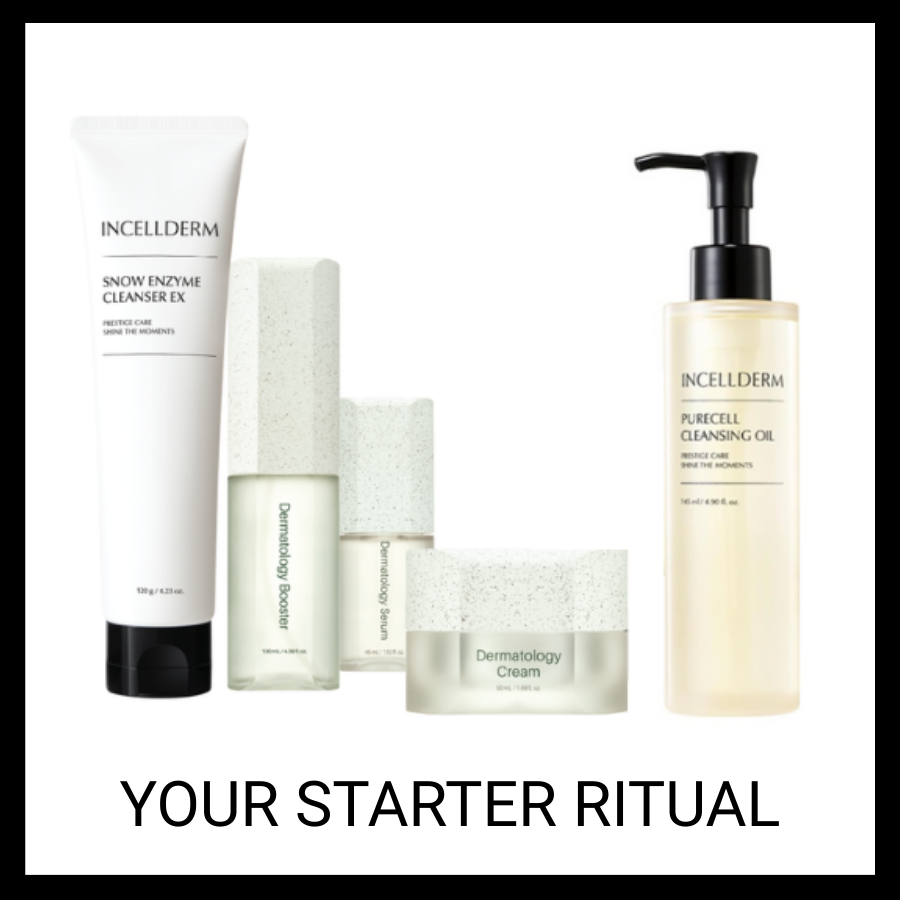
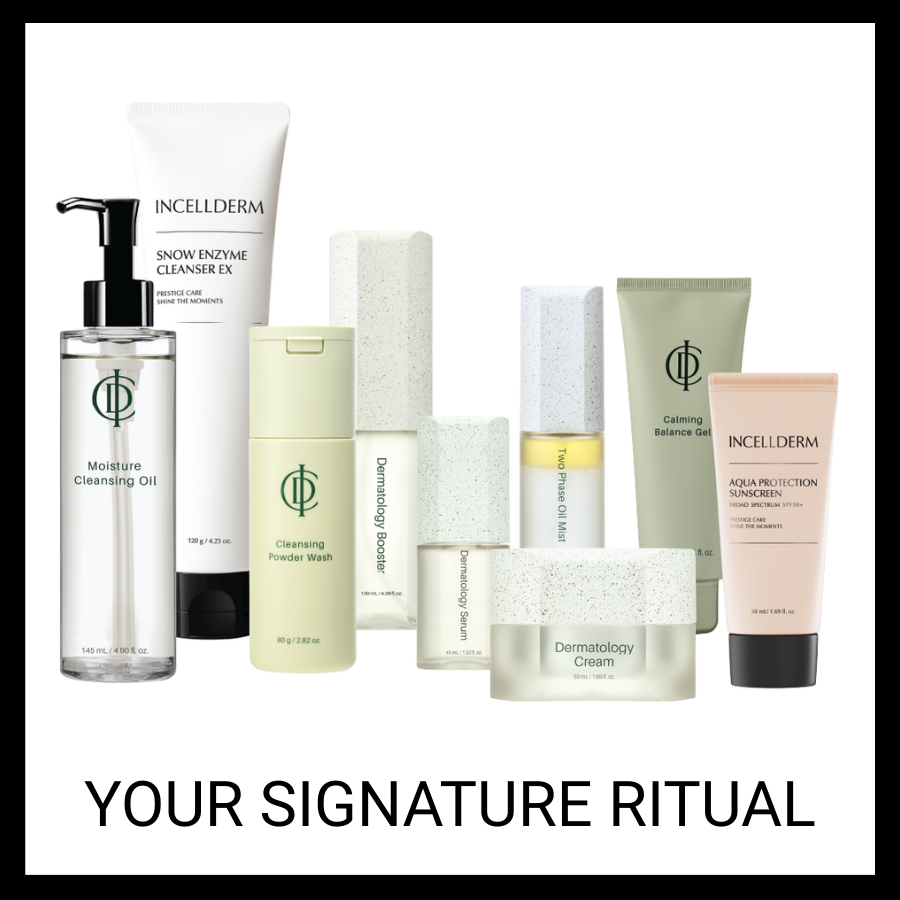
Here’s a simple example using the ICD Dermatology line I use daily:
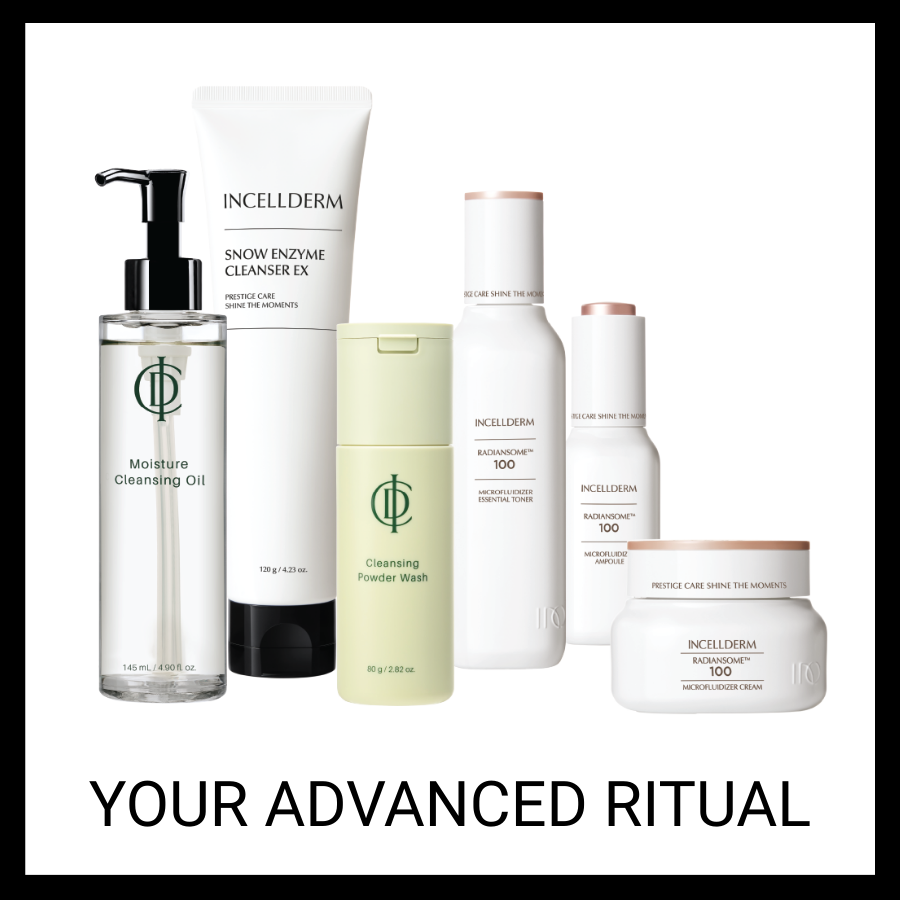
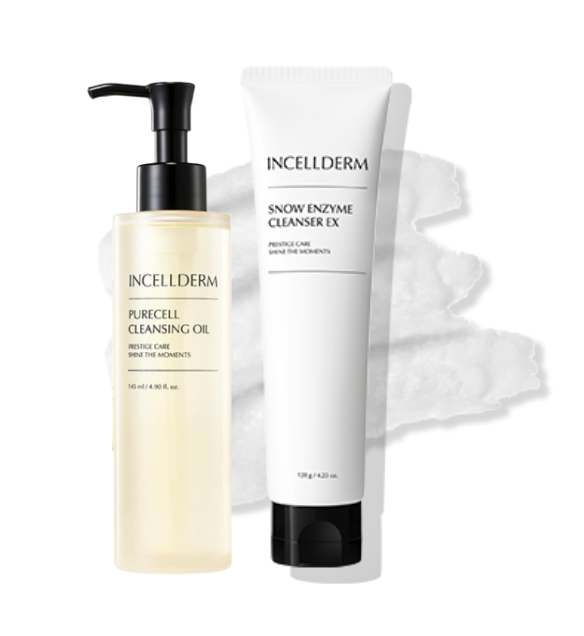
- You start with the Moisture Cleansing Oil to dissolve makeup, sunscreen, and the junk that clings to your skin. This isn’t harsh. It’s effective without stripping.
- Follow that with the Snow Enzyme Cleanser to gently cleanse without wrecking your skin barrier. No tight feeling. No squeaky nonsense.
- Then comes treatment and hydration. The ICD Dermatology Booster and Serum deliver hydration deep into the skin, where aging skin actually needs it. This is where that dewy, glass skin look starts to show up over time.
- You finish with the ICD Dermatology Cream, which seals everything in and supports repair.
That’s the routine. It takes me less than five minutes.
And if I skip it? I can tell. My skin tells on me immediately. That consistency is the point.
Why K-Beauty Works Especially Well for Aging Skin
Aging skin isn’t “problem skin.” It’s skin that needs support.
As we get older, our skin loses its ability to hold onto moisture. The barrier weakens. Repair slows down. And suddenly everything feels drier, thinner, more reactive.
K-Beauty addresses that directly.
Instead of blasting aging skin with aggressive treatments, it focuses on hydration, repair, and barrier protection. When your skin is properly hydrated, it looks smoother. Lines soften. Texture improves. Even areas like the neck respond better.
That’s why my neck stopped freaking me out.
Not overnight. Not magically. But steadily.
Is K-Beauty Cheap? Or Is That a Myth?
This is one of the most misunderstood parts of the conversation.
K-Beauty isn’t “cheap” because it’s low quality. It’s more affordable because the industry prioritizes formulation and results over flashy marketing and inflated med-spa branding.
For example, RIMAN’s cleansers sit right around the $30 range. That’s what you’d pay at Target, Ulta, or Sephora. The serums and creams range higher, but still land well below what most medical spa brands charge for similar results.
If you want a deeper breakdown, I walk through pricing in detail in How Much Does Korean Skincare Cost, What You Need to Know Before You Buy.
The real issue isn’t price. It’s ingredients.
Clean Ingredients Matter More Than Price Tags
Here’s the uncomfortable truth.
If a line is extremely cheap, they’re cutting corners somewhere. And if a brand won’t clearly tell you what’s in their products, that’s not transparency. That’s a red flag.
What sold me on RIMAN was how clean the formulations are, paired with innovation you can’t get anywhere else. They hold 20 patents tied to ingredients sourced from a single place in the world. That’s not marketing fluff. That’s controlled quality.
For the first time in my life, I trusted what I was putting on my skin and stuck with it long enough to see results.
That combination is rare.
This Is Why K-Beauty Sticks
K-Beauty works because it’s sustainable.
It doesn’t ask you to overhaul your life. It doesn’t rely on fear or urgency. It rewards consistency, not perfection.
And once you experience what hydrated, supported skin actually feels like, it’s hard to go back.
If you want to see how this philosophy plays out step-by-step, I break it down in How to Transform Your Skin in 28 Days with the RIMAN Korean Skincare Ritual.
If you’re ready to explore products or learn more about the approach as a whole, you can start on the homepage and take it at your own pace.
No pressure. No hype.
Just better skin, built the smart way.