If you’ve spent any time on Pinterest, TikTok, or beauty blogs lately, you’ve seen the term K-Beauty everywhere. And if it feels like it’s suddenly everywhere, that’s because it is.
Americans spent $2 billion on K-Beauty this year, a 122% increase in just two years. That kind of growth doesn’t happen because of a passing trend. It happens when people see results and stick with what works.
And yet, despite how mainstream Korean skincare has become, you may be left wondering what K-Beauty actually means, why it works, and what makes it different from the skincare you’ve always bought at Sephora or Ulta (or through the influencer you follow).
That confusion is exactly why so many people land here.
You’ve probably heard the term.
You may have even tried a product or two.
But chances are, no one has ever explained the philosophy behind it.
Let’s break it down in a way that actually makes sense.
What Does K-Beauty Actually Mean?
K-Beauty is short for Korean beauty, and it’s often used interchangeably with Korean skincare. That part isn’t wrong, but it’s incomplete.
K-Beauty isn’t a single brand, product, or routine.
It’s a skincare philosophy built around long-term skin health.
What often gets missed in all the hype is why Korean skincare resonates so deeply. In Korea, skincare has long been prioritized even more than makeup. The belief is simple: if your skin is healthy, it reflects how well you take care of yourself. That mindset shapes everything from product development to daily routines.
Rather than chasing quick fixes, Korean skincare focuses on protecting the skin barrier, maintaining hydration, and supporting the skin so it stays resilient over time. The goal isn’t aggressive correction. It’s healthy skin that doesn’t constantly need to recover from its own routine.
It’s also worth clearing up a common misconception.
A K-Beauty ritual doesn’t have to be ten steps to be effective. The philosophy isn’t about doing more. It’s about using the right steps, in the right order, with a focus on hydration, protection, and long-term skin health.
How Did K-Beauty Become So Popular?
K-Beauty didn’t suddenly appear out of nowhere.
Its first major global rise happened around 2015, driven by the explosion of K-pop, Korean pop culture, and major retailers like Sephora introducing Korean brands to Western audiences. For many people, it was their first exposure to multi-step routines and unfamiliar ingredients.
Then the pandemic changed everything.
With more people at home, skincare content exploded on TikTok and YouTube, and K-Beauty entered what many now call its second wave. Some argue it never went away at all, and that’s probably true. What changed wasn’t the products. It was the people.
More women started asking why their skin looked worse the harder they tried. More people questioned why burning, peeling, and irritation had become normal. Korean skincare offered a completely different answer, and demand followed.
K-beauty isn’t a fad. It’s sustained interest driven by results.
The Cultural Difference Behind K-Beauty
One of the biggest reasons Korean skincare works so differently has nothing to do with trends or products. It starts with when and how people learn to care for their skin.
In Korea, girls are taught skincare at a very young age. Sun protection and moisturizing are considered basic care, not vanity. Even babies receive skin care, and as girls grow, those habits evolve naturally. By the time they reach their pre-teen years, usually around ages 11 to 13 when acne may start to appear, skincare routines expand slightly but stay grounded in prevention, hydration, and protection.
The underlying belief is simple:
Healthy skin is something you protect over a lifetime, not something you repair later.
That mindset is baked into the culture.
My experience growing up couldn’t have been more different.
I spent my teen years in the summer riding horses all day with my best friend, never wearing sunscreen because we didn’t know any better. We got burned. Repeatedly. I had friends who slathered on baby oil and laid out in the sun with reflective pads to get darker faster. It sounds wild now, but that was normal then.
No one was talking about skin barriers. No one was talking about prevention. Skincare wasn’t education. It was reaction.
That difference in mindset is the foundation of K-Beauty.
K-Beauty vs. American Skincare: The Real Difference
This is where things finally click.
Traditional American skincare tends to focus on fixing problems after they show up, often using strong actives and aggressive treatments. Korean skincare takes a preventative approach, prioritizing skin health first.
Here’s the simplest way to see the contrast:
Traditional American skincare philosophy
- Treat problems after they appear
- Use strong actives aggressively
- Normalize irritation as “working”
- Focus on fast, visible correction
Korean skincare philosophy
- Strengthen the skin barrier first
- Prioritize hydration and calm skin
- Prevent issues instead of constantly correcting them
- Focus on long-term skin health
Western skincare often asks, How fast can we fix this?
Korean skincare asks, How do we protect the skin so this doesn’t keep happening?
A Quick Word About Glass Skin
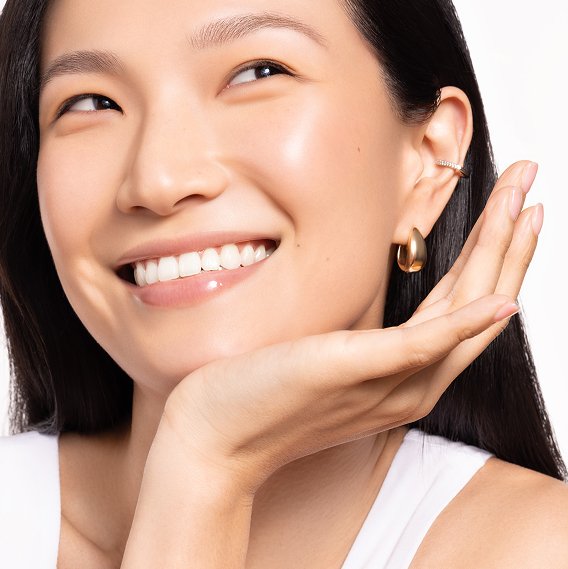
Glass skin is a real and foundational K-Beauty term, and it shows up constantly in marketing materials and on social media. When you think of glass skin, you often picture an ultra-shiny, almost reflective complexion that looks luminous under studio lighting or on camera.
At its core, though, glass skin isn’t about shine for the sake of shine.
In Korean skincare, glass skin refers to skin that is deeply hydrated, smooth, even-toned, and healthy enough to naturally reflect light.
That glow often appears very boldly on younger skin, especially in professional lighting or influencer content, and for them, that can be perfect. At that age, I remember wanting anything but dull skin.
For me now, glass skin looks a little different.
I still want hydration, clarity, and a healthy glow, but I’m less interested in a high-shine finish and more interested in skin that looks calm, resilient, and healthy in real life. The goal hasn’t changed. The expression of it has.
The philosophy stays the same.
When K-Beauty Finally Made Sense to Me
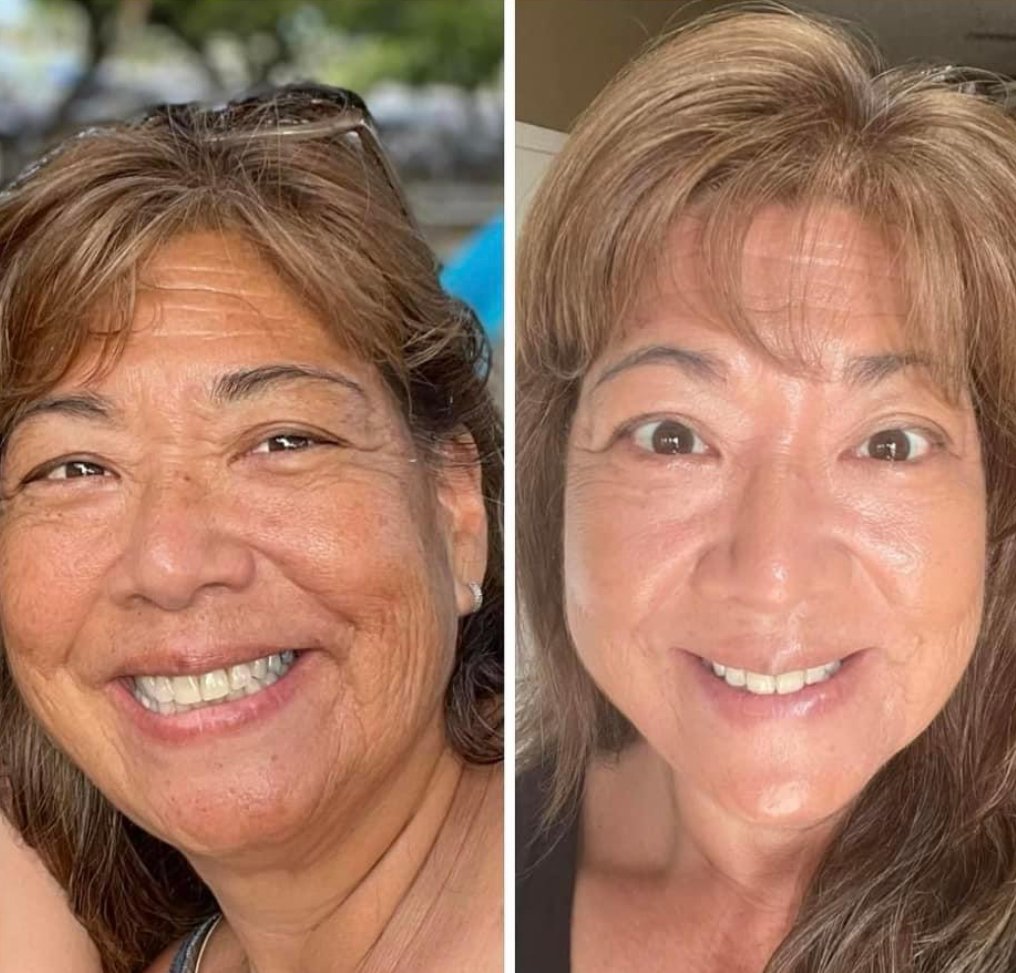
I didn’t discover K-Beauty until I turned 60.
It wasn’t because of a trend or an influencer. I noticed a friend’s skin up close, in real life, and it stopped me in my tracks. She let me try her products, and while I was curious, I was also skeptical.
By that point, I had already spent over $5,000+ on treatments, med-spa retinols, vitamin C serums, and whatever the most trusted YouTube skincare experts were recommending. Nothing worked the same.
So I did what I always do. I researched.
That’s when I learned something important about K-Beauty ingredients.
You’ll hear a lot about things like snail mucin. It’s effective for hydration, but it isn’t proprietary. Anyone can use it. What actually matters is formulation, delivery systems, and whether a brand is innovating or simply following trends with “me-too” products.
Once I understood the philosophy, the difference was immediate.
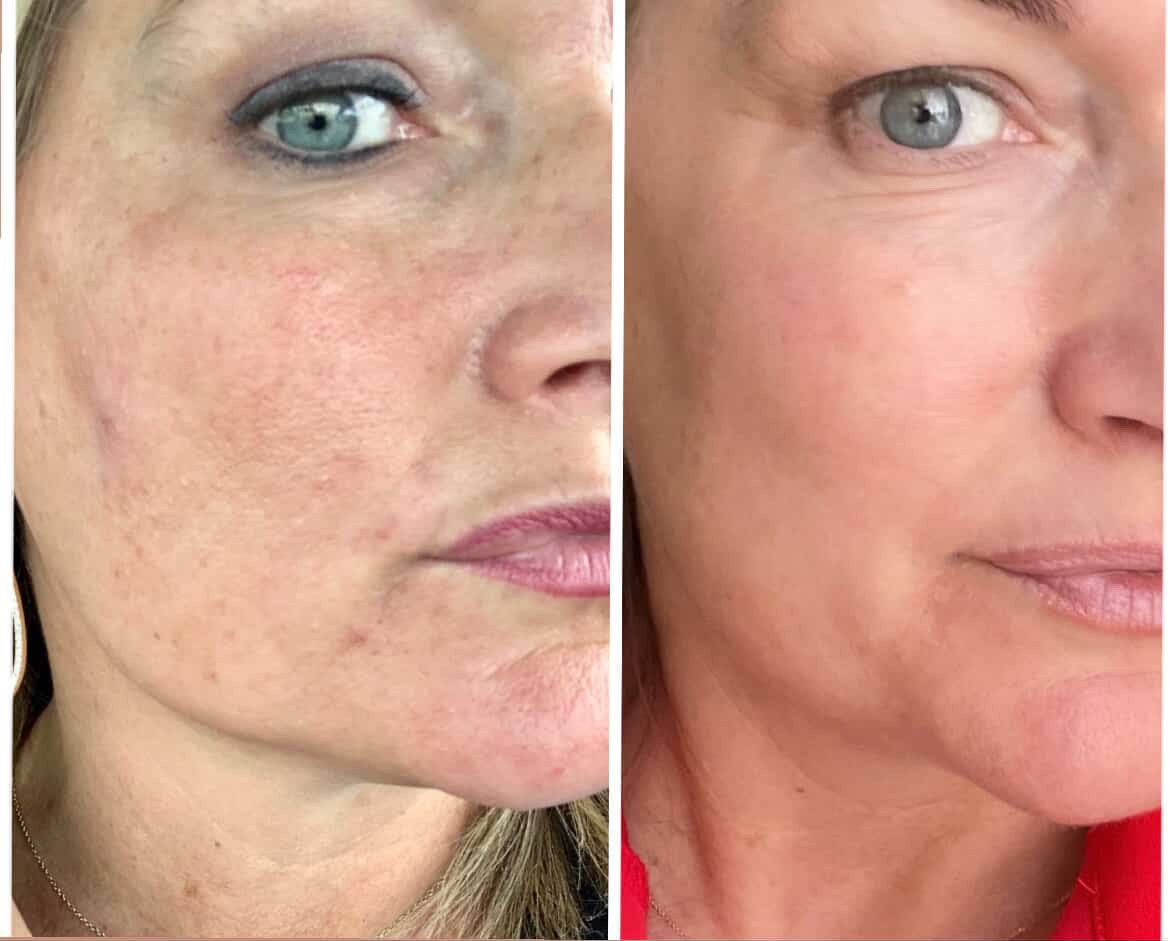
Within two weeks, my partner at the time, someone who had seen my skin for four and a half years, told me it had never looked this good. That was after years of expensive treatments that promised more than they delivered.
I’d been missing the right products and following the wrong skincare philosophy.
Why I Chose RIMAN INCELLDERM SKINCARE
You can buy K-Beauty products everywhere now. Sephora shelves are full of them.
I didn’t choose randomly.
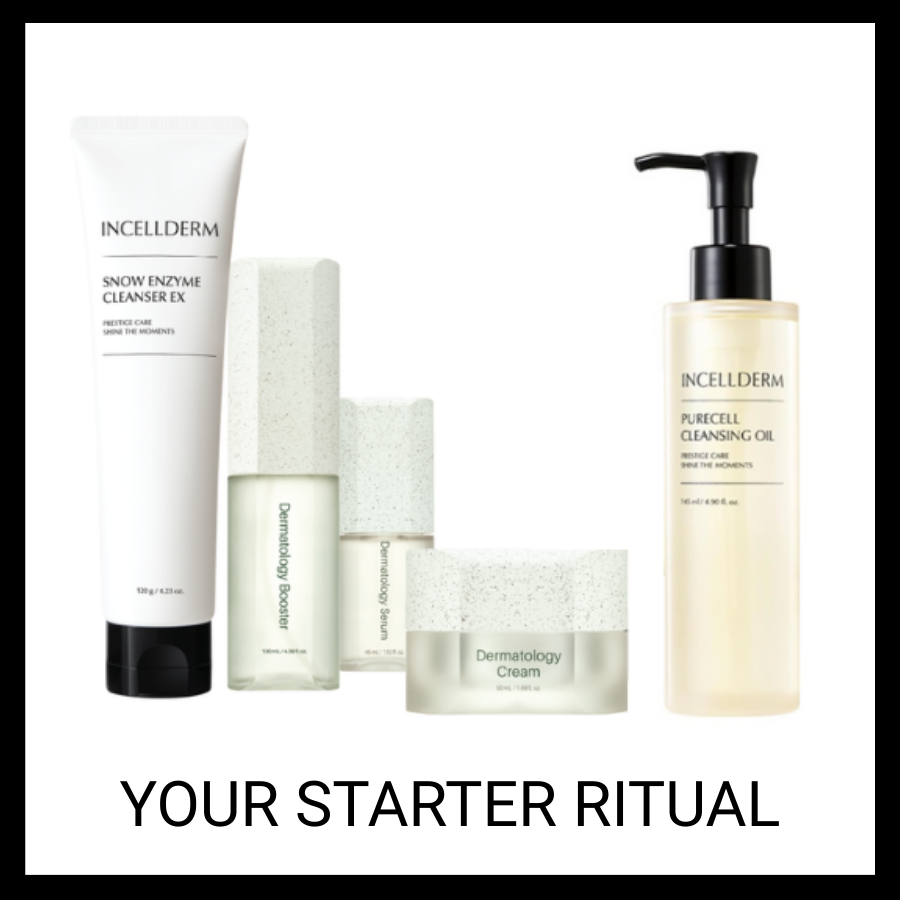
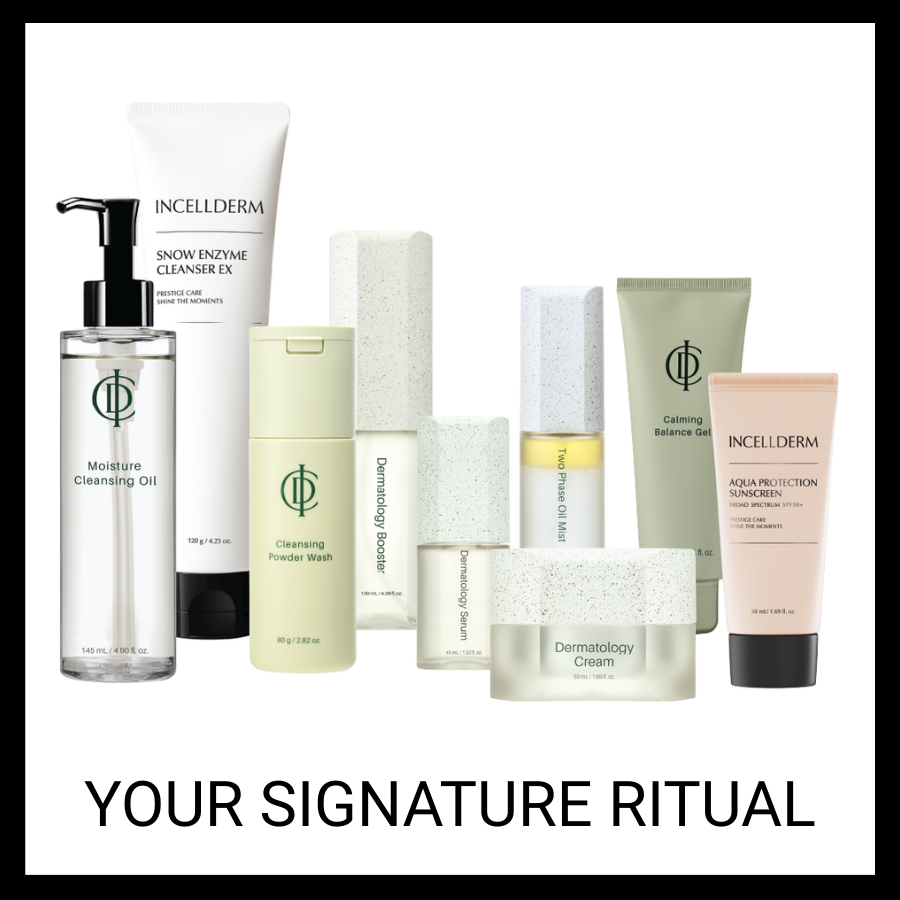
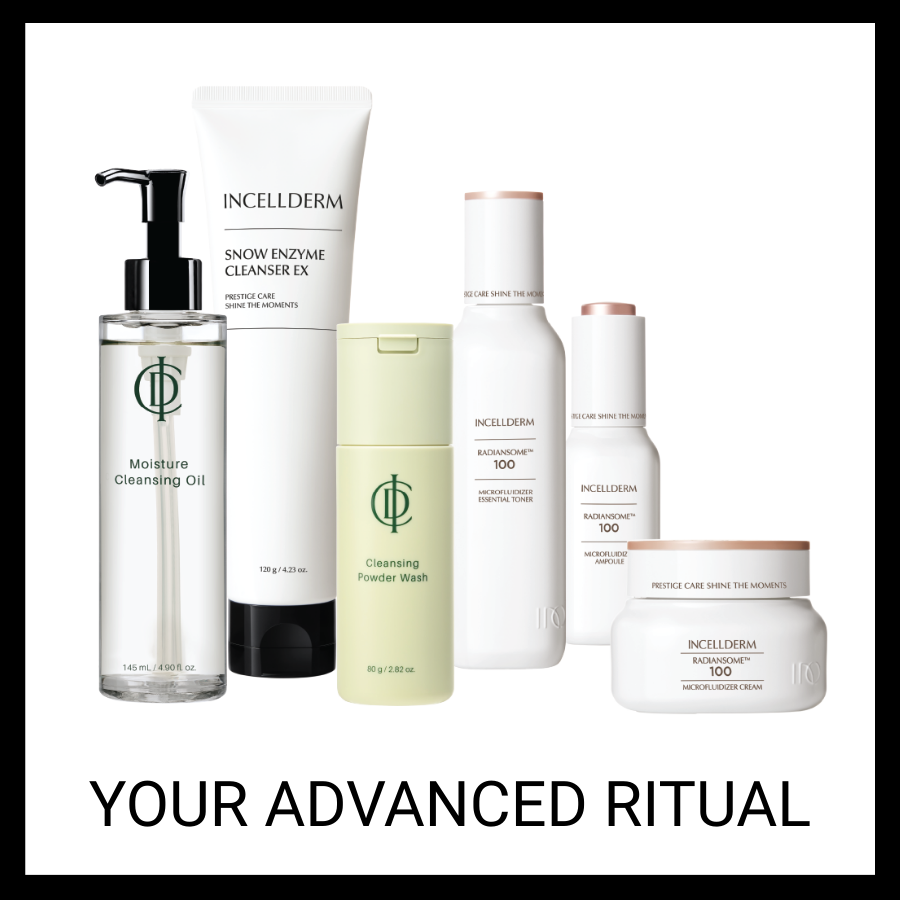
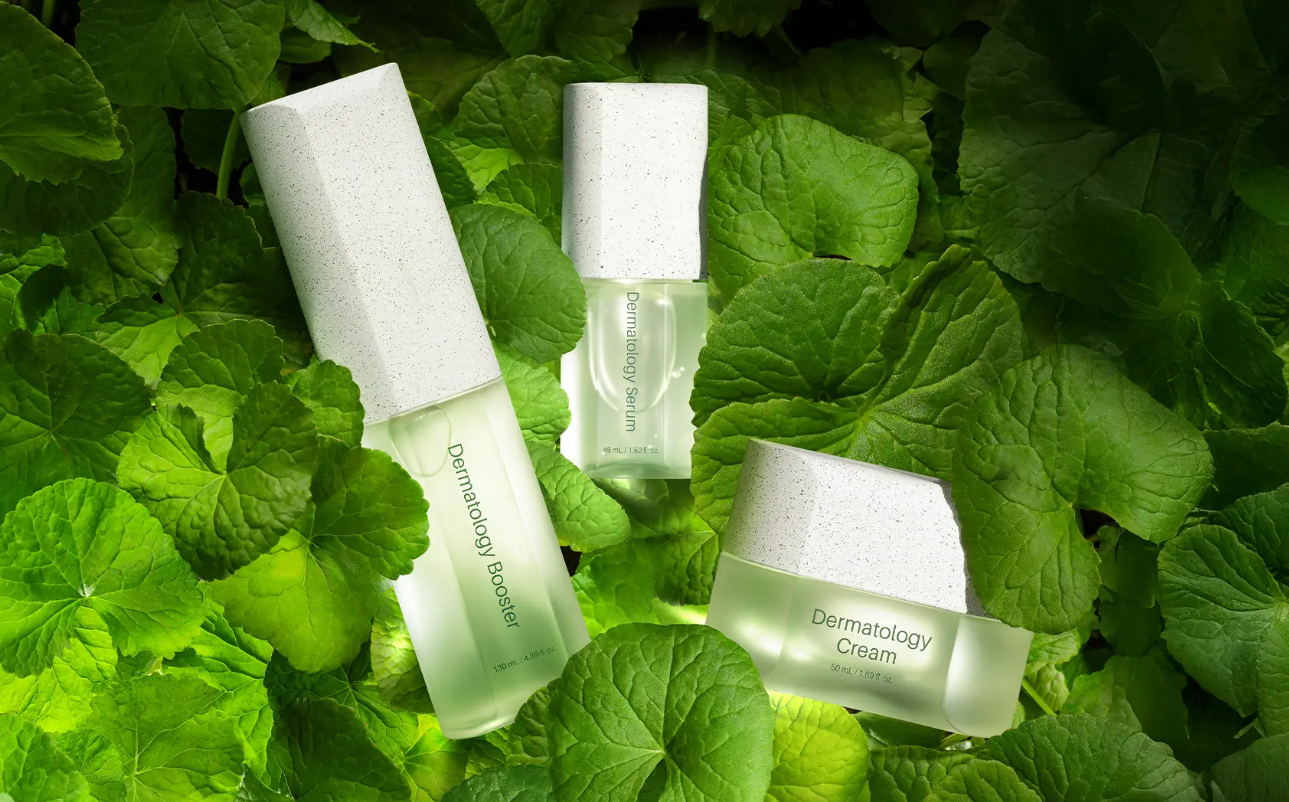
What stood out to me about RIMAN was the commitment to patented technology, non-me-too formulations, and a skin-barrier-first approach. It aligned with everything I had learned about Korean skincare and everything I wanted for my skin at this stage of life.
As more people started asking about my skin, the question became obvious to me. Why wouldn’t I create a place to educate people and share something that genuinely worked for me?
I should be clear about this part.
I’m an affiliate for RIMAN, and I share these products with individuals as well as aestheticians, salons, med spas, and wellness professionals who appreciate the K-beauty philosophy and want to offer them to their clients.
What matters to me isn’t just recommending a product. It’s understanding why something works so I can explain the philosophy, the ingredients, and the approach behind it. That way, whether someone is using these products personally or offering them professionally, they can make informed, confident choices.
Once something makes a meaningful difference in your own skin, it becomes easy to talk about. Creating a place to educate and share this information felt like the most natural next step.
That philosophy fits how I approach midlife as a whole. I write a Substack called The Midlife Leap, where I talk about navigating the messy middle of change. Career shifts. Identity shifts. Letting go of what no longer fits. Learning how to support yourself instead of constantly pushing, fixing, or punishing your body.
Self-care is just one small part of that conversation. Because how we care for ourselves physically often mirrors how we move through change in the rest of our lives.
If You Want to Go Deeper
If K-Beauty finally makes sense now, be sure to read How to Transform Your Skin in 28 Days. This shows how this philosophy actually works in real life.
K-Beauty isn’t about chasing trends or trying to look younger than you are. It’s about healthy skin that reflects how good you actually feel.
And once you understand the philosophy behind it, everything else starts to make sense.