When You’re Ready to Stop Wrecking Your Skin
If you’ve ever searched for the best anti aging skincare routine, you already know how overwhelming the answers are. One person swears by peels. Another tells you to burn it off with acids. Someone else insists you need to freeze your face every four months or you’re “letting yourself go.”
I’m 61. I’ve spent well over $10,000 on treatments over the years. Lasers, peels, Botox, you name it. Some of it worked temporarily. Most of it left me feeling like my skin still didn’t look the way I wanted it to. Not bad. Just… not great.
And when you’re on camera a lot, that stuff feels louder. I’m an online business coach. My face shows up for work whether I like it or not. Under lights and lenses, wrinkles don’t whisper. They announce themselves.
That’s what finally pushed me to stop chasing fixes and actually learn how skin works.
Aging Skin Isn’t the Enemy. Bad Skincare Philosophy Is.

Aging is a fact of life. Wrinkles show up. Skin changes. That part isn’t a failure.
What is a problem is how most of us were taught to treat skin care for aging skin in the first place. Western skincare tends to follow a wreck-it-then-repair-it model. Strip it. Peel it. Burn it. Shock it into submission.
For years, my skincare routine for mature skin was basically three steps: Cleanse. Moisturize. Sunscreen.
That was it. Buy the latest thing and just hope. And it showed in my skin. That’s me to the left (two years ago) with a filter because my skin looked that bad.
The term skin barrier barely registered for me back then. No one ever explained that constantly stressing your skin might be the very thing making it look older, duller, and more reactive.
So let me ask you:
-
Does your skin feel tight after washing?
-
Do products tingle and you’ve been told that means they’re “working”?
-
Are you rotating products constantly because nothing seems to stick?
That’s not just aging. That’s a compromised barrier.
What Is the Best Skin Care Routine for Aging Skin?
In my experience, the best skincare routine for mature skin isn’t aggressive. It’s protective, layered, and consistent.
That’s where Korean skincare changed everything for me.
The philosophy is simple:
Cleanse properly. Hydrate deeply. Protect consistently.
But the execution is smarter.
Instead of treating each product like a standalone miracle, Korean skincare routines are designed so products work together. They build, support and amplify.
And once I stopped fighting my skin and started supporting it, the change was noticeable fast. Not overnight hype. Real improvement within weeks.
I actually walk through that exact transition in How to Transform Your Skin in 28 Days, because when you stop attacking your skin barrier and start protecting it, results don’t take forever.
Why My Old Routine Wasn’t Enough Anymore
Here’s what shifted for me.
Double cleansing became non-negotiable.
I finally understood that one cleanse doesn’t always remove sunscreen, makeup, pollution, and oil especially on mature skin, where buildup shows faster and dullness lingers longer.
Hydration became layered, not slapped on.
Toner and serum aren’t filler steps. They prep your skin so the next products actually work better. When formulas are designed to layer intentionally, you don’t need more products. You need better ones.
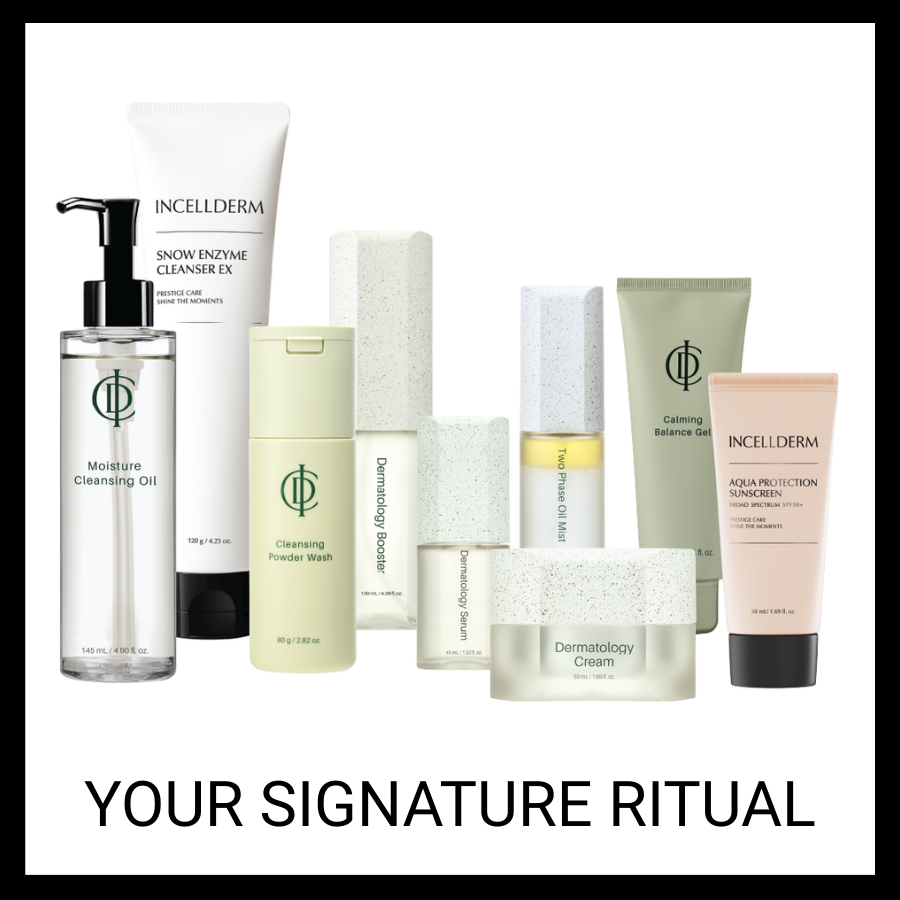
And no, this doesn’t mean a complicated 10-step routine. I break this down clearly in What Is the 7-Step Korean Skincare Routine, because once you understand the purpose of each step, skincare actually gets simpler.
This is also where a lot of people go wrong when they’re running to UltaKBeauty sections grabbing whatever influencer-recommended product is trending that week. The problem isn’t Ulta. The problem is mixing random products without understanding what they’re doing, how they’re formulated, or whether they even belong together.
Not all skincare is created equal. And not all products are meant to layer.
Choosing Graceful Aging Over Constant Correction
I’m not anti-procedure. Not at all. I’ve had honest conversations about this with med spa owners, including physicians considering Korean skincare for retail and facials.
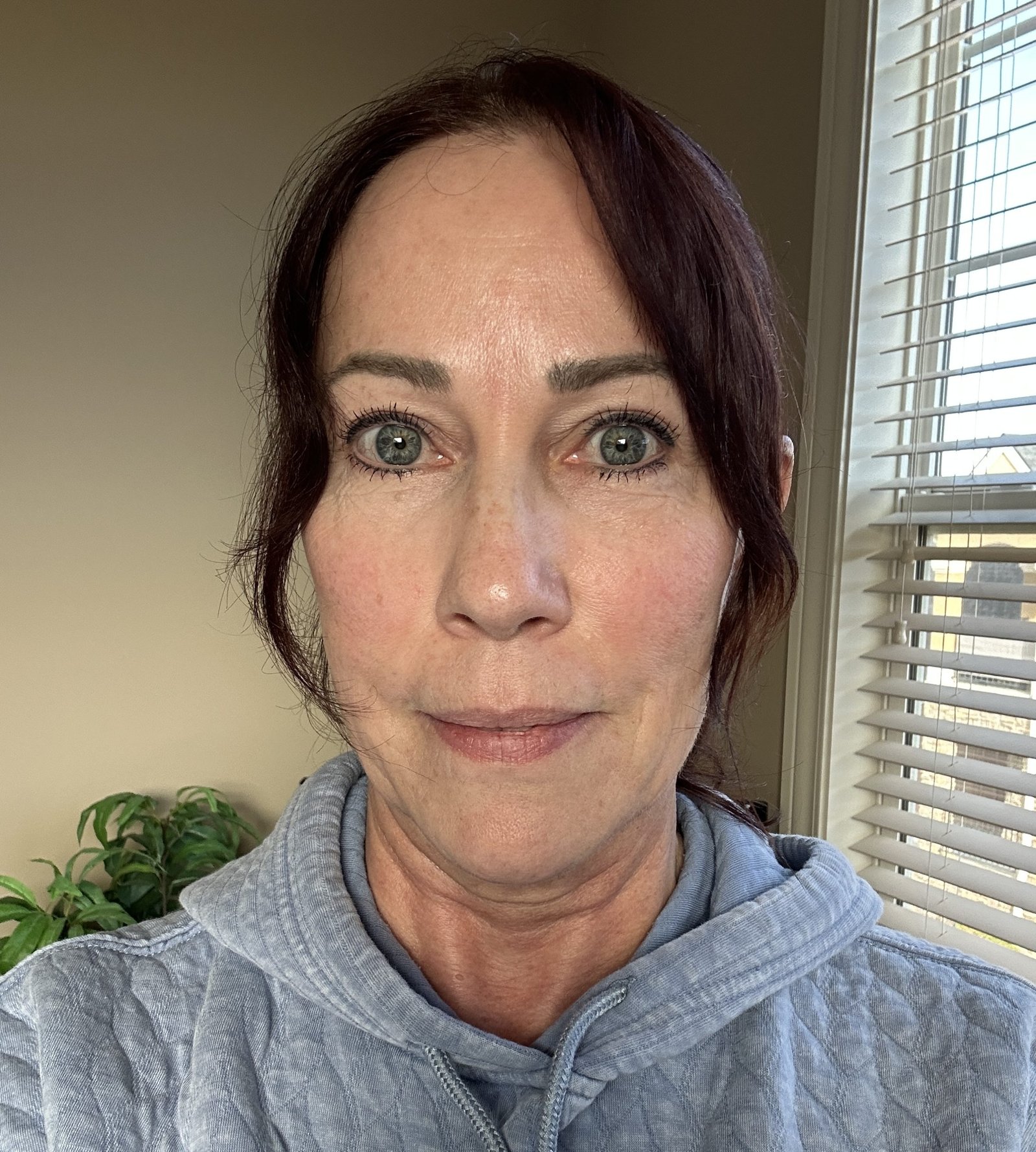
Yes, there’s a visible difference between freezing your face and not. I see it on myself. But at this stage of life, I’m choosing something different. (me after using RIMAN)
Instead of spending $500 every four months on Botox across my entire face, I’d rather:
-
Invest a fraction of that in high-quality skincare
-
Be consistent with facials
-
Prioritize daily protection over periodic shock
-
Put money into self-care that compounds
That choice feels aligned with how I want to age. (The picture is of me last week without makeup or a filter.)
Where RIMAN Fits Into My Routine
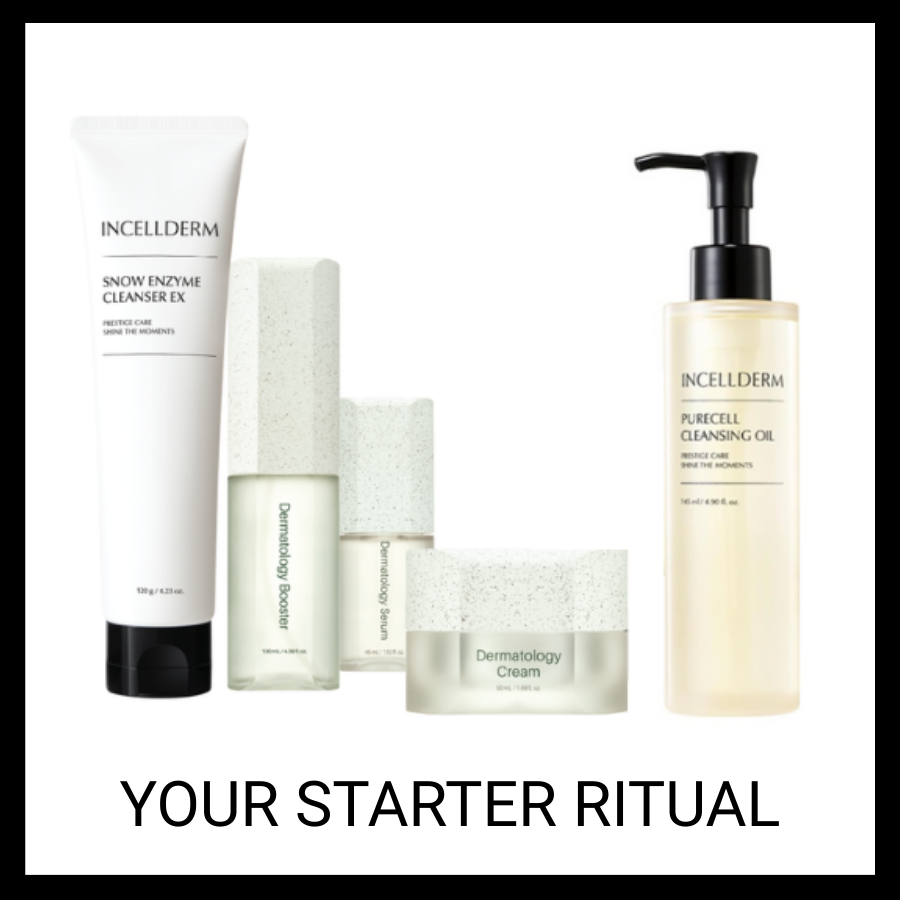
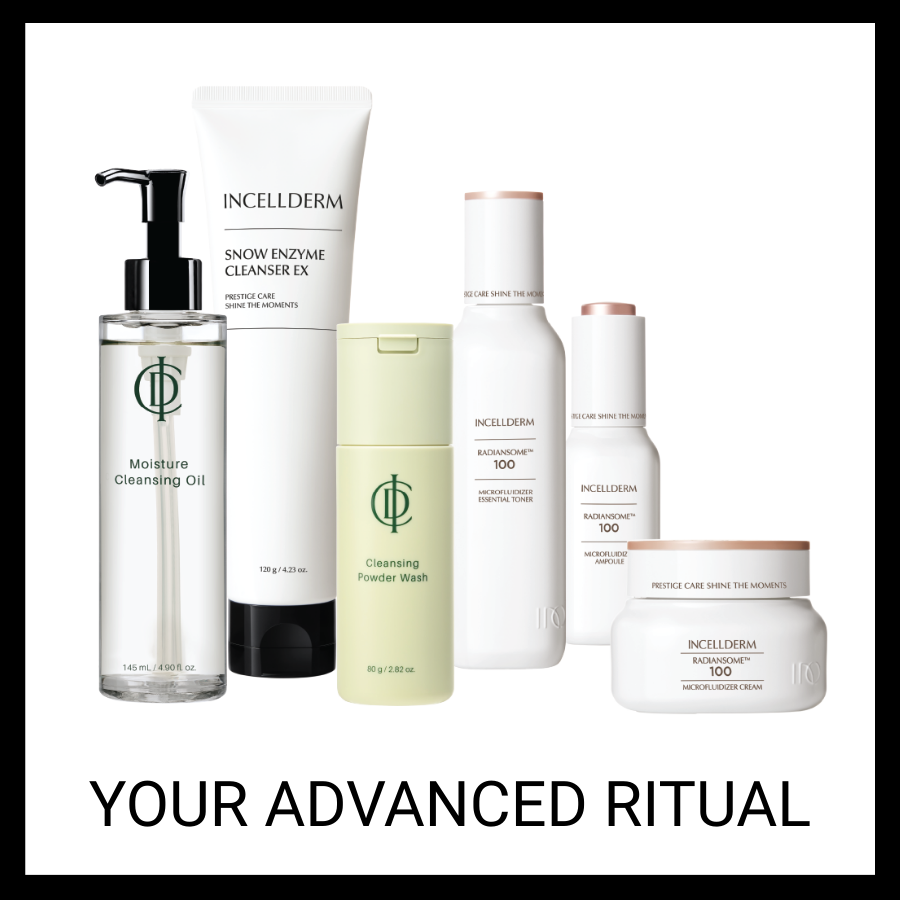
Once my skin barrier was healthier and my routine was consistent, adding RadianceSOME™ 100 from RIMAN accelerated everything.
This is important: it didn’t replace good habits. It amplified them.
RadianceSOME™ 100 uses nano-liposome delivery—a method that enables the molecules to reach the deepest layers of your skin, which matters when you’re looking for the best anti- aging skin care products for 50s and beyond. Med spa quality products at a price you can afford.
Mature skin doesn’t need louder actives. It needs formulas that can actually get where they’re supposed to go.
If you’re someone who likes to understand what you’re using and why, I’ve answered the most common questions on my RIMAN Skincare FAQ page. I’d rather you make informed decisions than blindly copy my routine.
The Confidence Shift No One Talks About
The biggest change wasn’t just my skin. It was how I felt about aging.
I’m not chasing 30. I’m protecting 61.
My skincare routine for mature skin now supports hydration, resilience, and integrity. My skin looks cared for. And that confidence shows up on camera.
So before you buy another trending product, ask yourself:
-
Does this protect my skin barrier or stress it?
-
Are my products designed to work together?
-
Am I investing in short-term fixes or long-term support?
That’s the real difference between reacting to aging and aging with intention.