What You Need to Know Before You Buy
If you’ve ever stood in front of your bathroom mirror wondering why your skin looks exactly the same despite trying every new “it” product, I know that feeling far too well. I didn’t grow up using Korean skincare. I didn’t even know what a K-beauty routine was. Like most women, I started with the brands we all see at Ulta, Sephora, and splashed across YouTube.
I bought the moisturizers that promised “overnight glow.” The clinical formulas that swore they could fix everything and the clean-beauty lines the influencers raved about.
And every time, I hoped this one would be different. But my skin stayed stubbornly… underwhelming.
Then a friend I hadn’t seen in years stopped me in my tracks. She was 62, hadn’t touched Botox or fillers, and her skin looked unbelievable. Smooth, firm, and lit from within. The kind of skin you can’t fake with good lighting.
Before she even sat down, I blurted, “What are you using?”
She laughed and said, “Korean skincare… I finally found something that works for mature skin, and my face hasn’t been this happy in years.”
That was the moment something clicked for me. I wasn’t looking for trends. I was looking for proof. And her skin was proof.
So if you’re here wondering how much Korean skincare costs and whether it’s actually worth trying, you’re asking the same questions I did.
Let’s walk through this together.

The Real Problem Most Women Face
You try product after product, hoping one will finally make your skin smoother, brighter, or firmer. You do what beauty ads tell you to do. You listen to influencers. You read the reviews. You spend the money. And still… nothing changes.
It feels frustrating because you’re putting in effort without seeing a return.
(That was me in 2018…one of the pics from a branding photo shoot… the wrinkles UGH!)
When you’ve invested in so many “top-rated” U.S. brands and come up empty-handed, it’s easy to start thinking:
“Maybe this is just how my skin is now.”
“Maybe aging really does mean settling.”
“I’ve tried what the experts recommend but it doesn’t work for my skin.”
And that’s how many women arrive at Korean skincare — not because they’re chasing trends, but because they’re finally open to something different.
The Shift That Changed Everything
The first thing I learned when I switched to K-beauty was this:
You don’t need 10 steps or a bathroom full of bottles. You need formulas that support your skin instead of stressing it.
Which leads to the question most people Google first:
How much does Korean skincare cost
… and is it worth it?
Here’s where the conversation turns a corner.
If you are already feeling overwhelmed by the endless shelves of K-beauty products, dipping into a K-beauty skincare routine without really knowing where to start, or grabbing a random serum at Ulta hoping something might finally work.
I get it because I’ve done the same thing. The part no one tells you?
Price doesn’t equal performance. Ingredients do… and so does consistency.
Once I understood that, everything about my skin changed.
So let’s break this down in a way that actually makes sense.
FAQ: What You Need to Know Before You Buy
❓ Is KOREAN SKINCARE EXPENSIVE?
It depends. Korean skincare spans a wide range of prices, just like U.S. skincare. Some brands are extremely affordable. Others are pricier because of the ingredients they use, the research behind them, or where they’re sold.
Most med spas don’t carry Korean skincare yet, so you’re usually purchasing online, which means the price varies based on the brand, the formulation, and who you’re buying from.
So the short answer? It depends on the brand and the ingredients you’re choosing.
❓ Where can I buy authentic Korean skincare online in the U.S.?
If you’re wondering where to buy authentic K-beauty products online, you can find K-beauty skincare at places like Olive Young Global, SokoGlam, YesStyle, or StyleKorean. You’ll see familiar brands like CosRX, Laneige, and Beauty of Joseon. Those are great entry points, but they’re mainstream, which means the formulations are widely shared and not exclusive.
Riman is different because its technologies are protected by 13 global patents and two proprietary ingredients that no other company in the world can use. And you can buy it online in the U.S.
❓ Why did Korean skincare work when nothing else did?
Because the philosophy is different.
Modern K-beauty products focuses heavily on supporting the skin’s barrier, not stripping it or overstimulating it. When your barrier is healthy, everything else — hydration, smoothness, firmness — improves naturally. That was the first change I noticed. My skin stopped fighting back.
❓ Do I need a complicated K-beauty SKINCARE routine?
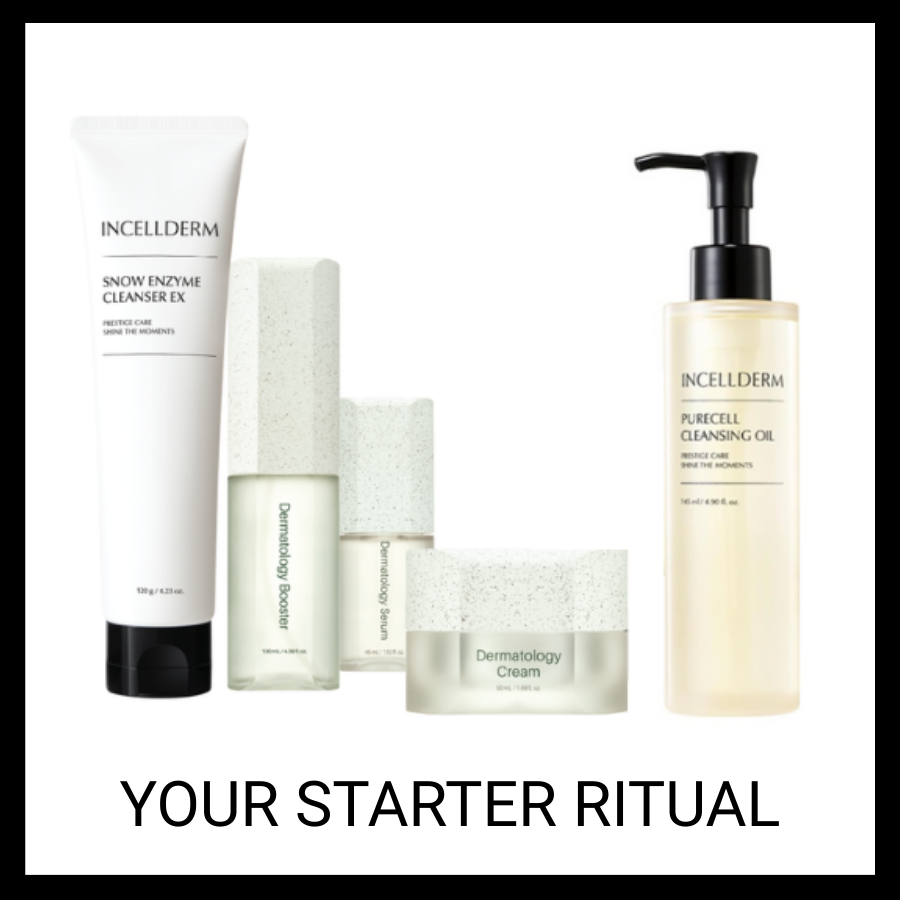
No. This was something that confused me when I first started researching Korean skincare. A lot of brands and influencers make it look like you need 10 steps and a bathroom full of bottles. But when my friend introduced me to what she was using, it wasn’t complicated at all. Her routine was five products and six steps — morning and night. That simplicity is exactly what I was looking for.
❓ Can men use Korean skincare?
Absolutely! Korean skincare focuses on skin health and barrier repair, not gender. The same routines work for men and women, especially when the formulas are focused on hydration and strengthening the skin.
❓ What made you choose Riman?
I didn’t choose it because of marketing. I chose it because of proof — my friend’s skin. At 62, with no Botox or fillers, her results were undeniable.
Once I looked into the brand, here’s what stood out:
- Riman is the #1 retail K-beauty line in South Korea
- It’s newer to the U.S. market, so most people simply haven’t heard of it yet
- It isn’t sold in big chains —Riman uses small retailers, estheticians, and healthcare professionals, and affiliates like me to market their line
- 20 patents, 35+ awards, and product formulations free from over 3,000 banned ingredients (including endocrine disruptors)
- I get affiliate income by sharing products I love!
It checked every box I had been missing.

❓ Is Riman priced like high-end med-spa skincare?
No. Med spas carry high-end clinical lines, and their price points reflect that. Riman has the same quality of products. For me, the pricing felt approachable:
- Cleansers were similar to what I used to pay for at big box stores
- Serums and creams were within the range I was already familiar with
- The difference is advanced liposome technology, a science-backed method that wraps ingredients into nano-sized molecules creating med spa level products.
So while Riman performs like the professional lines I used to see in med spas, the price point is much more accessible.
❓ Can I USE the same routine you use?
Absolutely. I only recommend what I use and love, and Riman is the first line that has consistently delivered results for my skin. If you want to see the exact products and routine I follow, you can find them here…
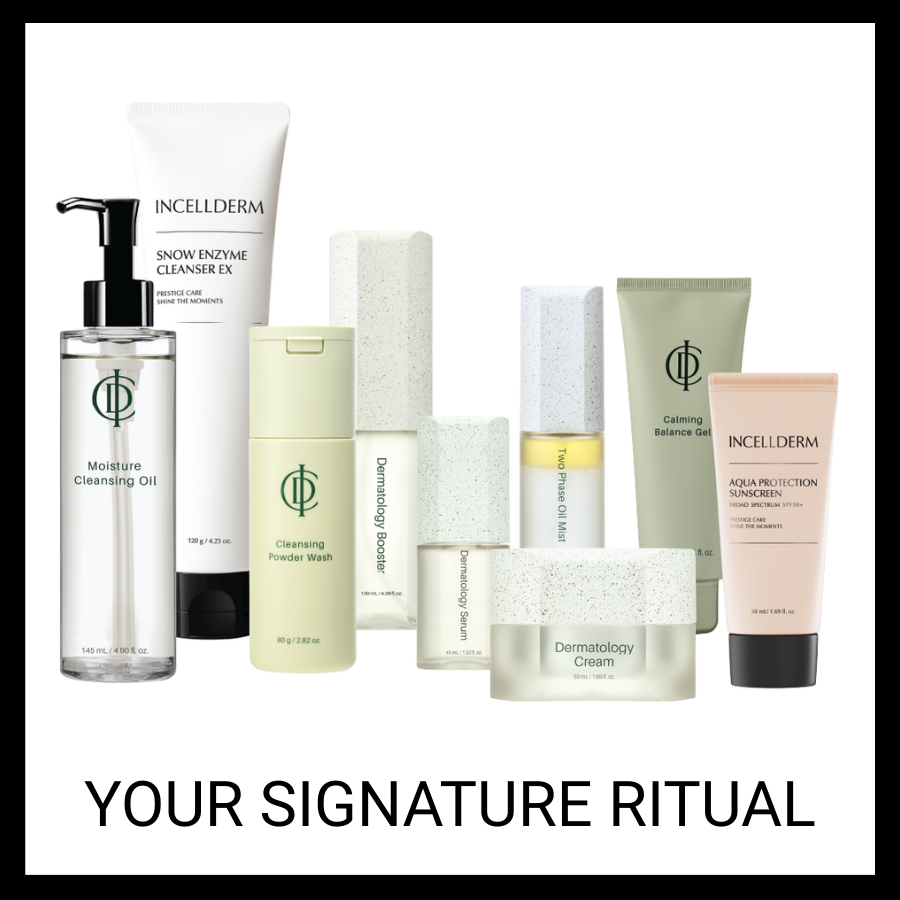
I started with the Signature Riman Ritual with the ICD Dermatology line. This ritual also included the Moisture Cleansing Oil, Calming Balance Gel, Cleansing Powder Wash, and Two Phase Oil Mist.
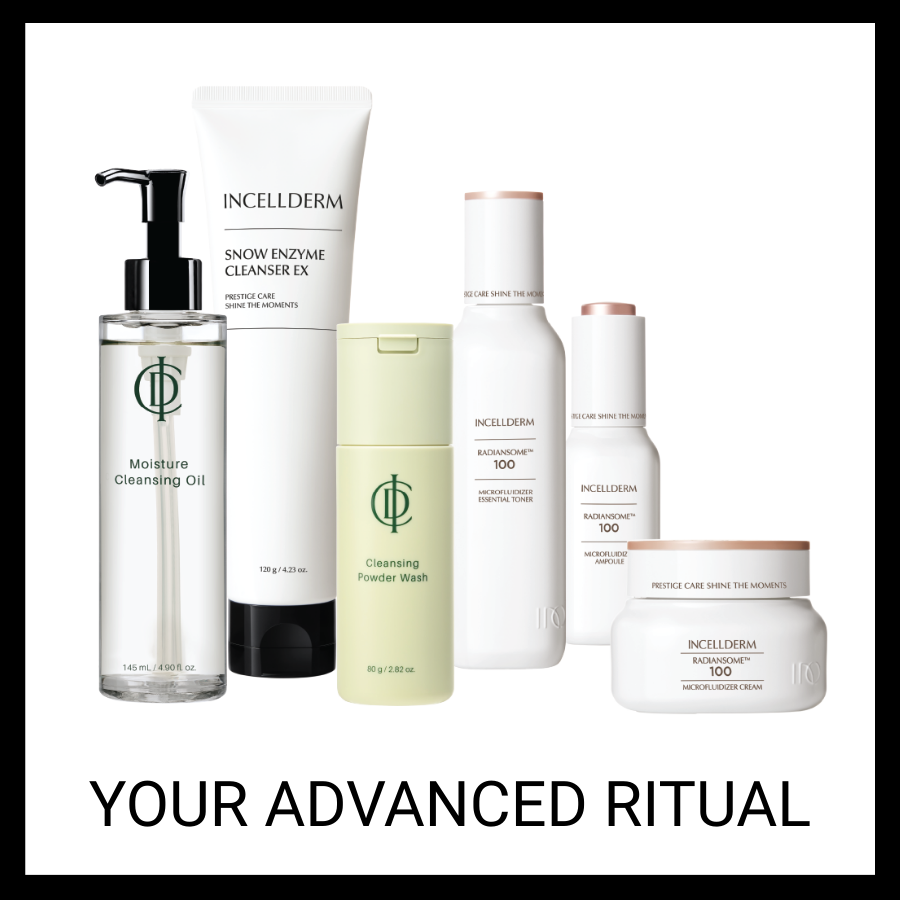
Within weeks, I was completely sold. I knew I needed to heal my skin barrier so I waited two months before using the RADIANSOME™100 Microfluidizer Essential Toner, RADIANSOME™100 Microfluidizer Ampoule, and RADIANSOME™100 Microfluidizer Cream at night after my double cleanse.
The surprised look when I tell people I’m 61 (no Botox needed) means I’ll never use anything else on my skin!
So… Is Korean Skincare Worth Trying?
If you’ve tried brand after brand and nothing has changed… you’re exactly where I was. Korean skincare was the first thing that made a real difference. Not because it’s trendy, but because it’s designed to support your skin instead of overwhelm it.
And Riman was the first line that delivered the kind of results I used to chase through med-spa treatments — without the pain, the appointments, or the $600 receipts.
Your skin deserves products that finally work for you, not against you. Ready for your K-beauty glow?