Double Cleanse Routine: Why One Cleanser Isn’t Enough

The fastest way to stop wasting money on skincare that can’t absorb—especially after 50.

For most of my adult life, I thought cleansing was the least important part of skincare. You wash your face, get the junk off, and move on to the “good stuff.”

Serums. 

Treatments. 

Moisturizers. 

That’s where the results are supposed to come from. That mindset is exactly why so many women end up frustrated with skincare that should be working… but isn’t.

Here’s the truth most of us were never taught:

If your skin isn’t properly cleansed, nothing you apply afterward can absorb the way it’s designed to.

And this is where Korean skincare gets it right.
The Korean Skincare Philosophy (Why Double Cleansing Exists at All)

In Korean skincare, cleansing isn’t an afterthought. It’s the foundation.

Girls in Korea are taught from a young age that protecting your skin starts with how you cleanse it. Not harshly. Not aggressively. Intentionally.

The philosophy is simple:

  • Respect the skin barrier
  • Remove buildup without stripping
  • Prep the skin so hydration and treatment can actually penetrate

That’s why double cleansing isn’t a “trend” in K-beauty. It’s standard practice. And thanks to video platforms and skincare education finally going mainstream, a lot of teenagers know this now. Most women over 50 were never shown any of it.


What Is a Double Cleanse?

A double cleanse means cleansing your skin in two specific steps, each with a different job.

  1. An oil cleanser to dissolve makeup, sunscreen, excess oil, and pollution
  2. A water-based cleanser to cleanse the skin itself and leave it balanced

Oil breaks down oil. Water (with enzymes) finishes the job. It’s not about washing twice for the sake of it.  It’s about removing what water alone cannot touch.
Is Double Cleansing Good to Do Every Day?

Yes. And this is where a lot of people get tripped up.

Double cleansing isn’t just for heavy makeup days, nighttime only or “Special” routines.

I double cleanse every day, morning and night, and I can tell immediately when I don’t.

Before double cleansing, I thought cleansing just removed dirt. After double cleansing properly, I realized it’s what makes everything else work better. Especially as skin matures and cell turnover slows.

Is Double Cleansing Actually Cheaper Skincare?

This question comes up constantly, and it deserves to be addressed early.

If you’ve been using an inexpensive cleanser, a $30 cleanser can sound expensive at first. And to be fair, the cheaper cleansers I used before lasted about the same amount of time.

That wasn’t the problem.

The problem was what they did to my skin.

Those products dried my skin out and disrupted my barrier, which forced me to overcompensate with heavier creams and extra products that still didn’t deliver results. I wasn’t spending less. I was just spending differently—and fixing problems that didn’t need to exist.

That’s not cheaper skincare. That’s wasted effort and wasted money.

Does Double Cleansing Work for Oily Skin?

Yes. And this is where myths need to die. Oily skin does not mean you should avoid oil. It can be due to several things, including genetics, hormones, environmental factors, stress, and sometimes it means your skin has been over-stripped and is trying to compensate.

Oil cleansing:

  • Dissolves excess sebum gently
  • Helps rebalance oil production
  • Reduces that rebound slick feeling over time

Avoiding oil is often what keeps oily skin stuck in a cycle.

What About Double Cleansing for Dry or Sensitive Skin?

This is usually fear-based, and understandably so. If you’ve spent years using harsh cleansers that leave your skin tight, flaky, or uncomfortable, the idea of cleansing twice sounds like torture.

That was my mindset and then I learned the difference is formulation.

A proper oil cleanser plus a gentle, enzyme-based water cleanser:

  • Supports the barrier
  • Leaves skin comfortable, not stripped
  • Improves hydration because products can finally penetrate

I personally have combination skin, and double cleansing has improved balance across the board.

Micellar Water vs Double Cleansing

Micellar water is familiar to K-beauty fans. That’s why people trust it. But familiar doesn’t mean equivalent.

Micellar water attracts debris, but it often leaves residue behind. That residue can interfere with absorption, especially if it’s not fully rinsed.

This is where formulation matters.

Skincare products from RIMAN are clean and patented, formulated without endocrine disruptors and over 3,000 banned ingredients.

They’re built around Jeju Lava Energy Water and Giant Byoungpool—two core ingredients chosen to support the skin barrier and absorption, so the formula does more than cleanse. It actively supports skin health.
How to Do a Double Cleanse (Daily, Real-Life Version)

Once the objections are out of the way, the routine itself is refreshingly simple.

Step 1: Oil Cleanse

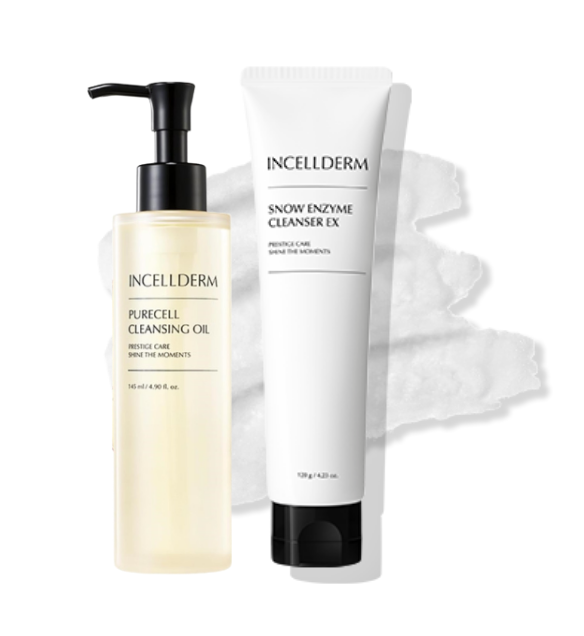
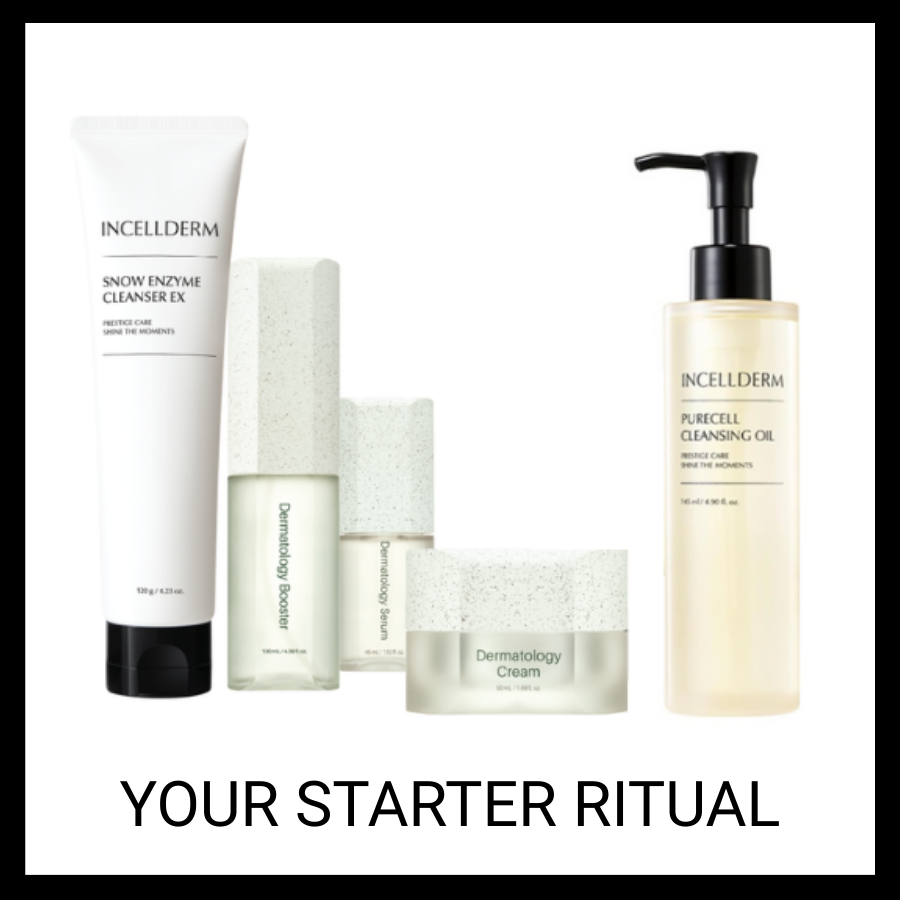
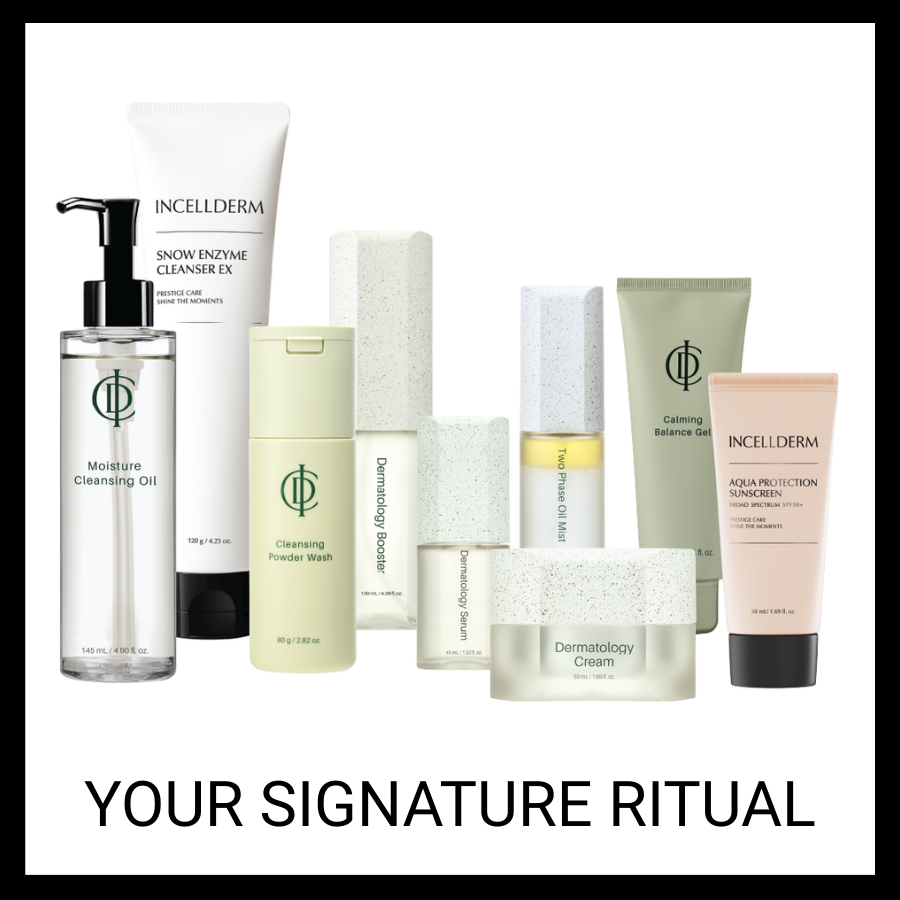
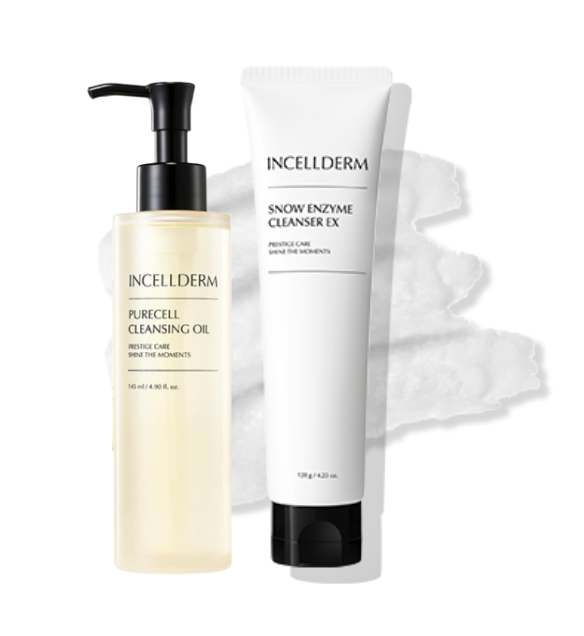
Massage ICD Moisture Cleansing Oil onto dry skin for 30–60 seconds and rinse with lukewarm water.

This breaks down makeup, sunscreen, and buildup without stripping.

Step 2: Water Cleanse

Follow with Snow Enzyme Cleanser to cleanse the skin itself and restore balance.

That’s your daily double cleanse.

My AM + PM Double Cleanse (How I Make It Fast)

Time is the real objection, so here’s how I handle it.

Night

I double cleanse every single night, no exceptions.

Oil cleanse → enzyme cleanse → treatment and moisturizer. 

Morning

Unless I shower late in the day, I double cleanse in the morning too.

My shortcut:

The powder foams lightly, cleans beautifully, and gives my skin a glow that’s noticeable immediately. It’s fast and effective. No extra steps.

What About a Double Cleanse Facial?

If you want to take this further, that’s where the 4-2-4 rule in skincare comes in. This turns your cleanse into a facial-style ritual:

  • Longer oil massage
  • Longer water cleanse
  • Focus on circulation and lymphatic movement

This is optional. Weekly or when you want more. Daily double cleansing stands on its own.
Why This Is So Easy to Share

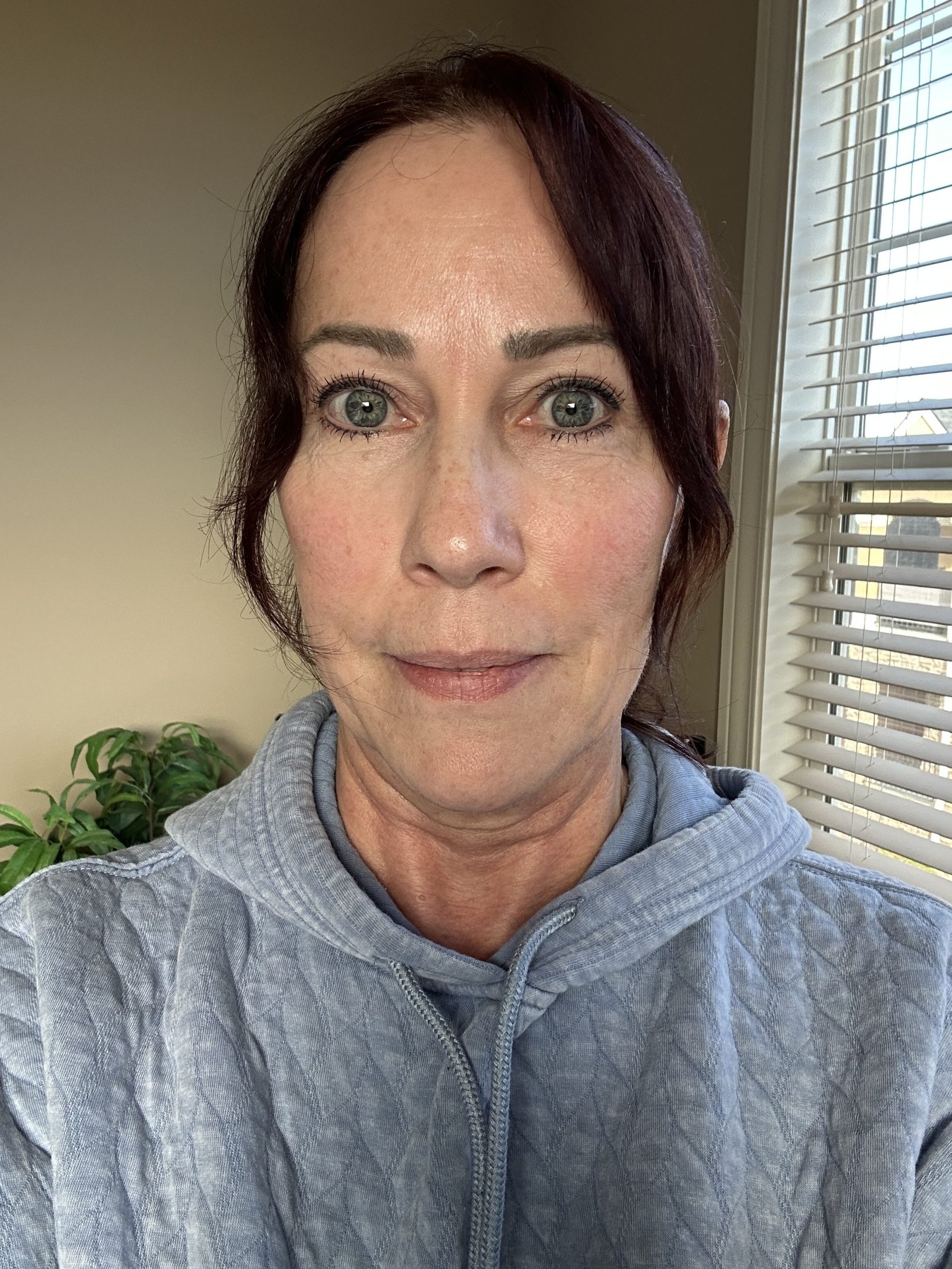
I added my own before-and-after photo to this post, because the reaction is always the same: “You’re not 61.”

And while genetics play a role, consistent, barrier-respecting cleansing is a massive part of why skin looks healthier, clearer, and more resilient over time.

If you love the idea of double cleansing and want to see the full RIMAN ritual, that’s your next step. Because when your skin can finally absorb what you’re putting on it, everything changes.

And if you’re looking for more answers to questions, check out the FAQ page here.
 

What Is K-Beauty? Korean Skincare Explained

If you’ve spent any time on Pinterest, TikTok, or beauty blogs lately, you’ve seen the term K-Beauty everywhere. And if it feels like it’s suddenly everywhere, that’s because it is.

Americans spent $2 billion on K-Beauty this year, a 122% increase in just two years. That kind of growth doesn’t happen because of a passing trend. It happens when people see results and stick with what works.

And yet, despite how mainstream Korean skincare has become, you may be left wondering what K-Beauty actually means, why it works, and what makes it different from the skincare you’ve always bought at Sephora or Ulta (or through the influencer you follow).

That confusion is exactly why so many people land here.

You’ve probably heard the term.
You may have even tried a product or two.
But chances are, no one has ever explained the philosophy behind it.

Let’s break it down in a way that actually makes sense.


What Does K-Beauty Actually Mean?

K-Beauty is short for Korean beauty, and it’s often used interchangeably with Korean skincare. That part isn’t wrong, but it’s incomplete.

K-Beauty isn’t a single brand, product, or routine.

It’s a skincare philosophy built around long-term skin health.

What often gets missed in all the hype is why Korean skincare resonates so deeply. In Korea, skincare has long been prioritized even more than makeup. The belief is simple: if your skin is healthy, it reflects how well you take care of yourself. That mindset shapes everything from product development to daily routines.

Rather than chasing quick fixes, Korean skincare focuses on protecting the skin barrier, maintaining hydration, and supporting the skin so it stays resilient over time. The goal isn’t aggressive correction. It’s healthy skin that doesn’t constantly need to recover from its own routine.

It’s also worth clearing up a common misconception.

A K-Beauty ritual doesn’t have to be ten steps to be effective. The philosophy isn’t about doing more. It’s about using the right steps, in the right order, with a focus on hydration, protection, and long-term skin health.


How Did K-Beauty Become So Popular?

K-Beauty didn’t suddenly appear out of nowhere.

Its first major global rise happened around 2015, driven by the explosion of K-pop, Korean pop culture, and major retailers like Sephora introducing Korean brands to Western audiences. For many people, it was their first exposure to multi-step routines and unfamiliar ingredients.

Then the pandemic changed everything.

With more people at home, skincare content exploded on TikTok and YouTube, and K-Beauty entered what many now call its second wave. Some argue it never went away at all, and that’s probably true. What changed wasn’t the products. It was the people.

More women started asking why their skin looked worse the harder they tried. More people questioned why burning, peeling, and irritation had become normal. Korean skincare offered a completely different answer, and demand followed.

K-beauty isn’t a fad. It’s sustained interest driven by results.

The Cultural Difference Behind K-Beauty

One of the biggest reasons Korean skincare works so differently has nothing to do with trends or products. It starts with when and how people learn to care for their skin.

In Korea, girls are taught skincare at a very young age. Sun protection and moisturizing are considered basic care, not vanity. Even babies receive skin care, and as girls grow, those habits evolve naturally. By the time they reach their pre-teen years, usually around ages 11 to 13 when acne may start to appear, skincare routines expand slightly but stay grounded in prevention, hydration, and protection.

The underlying belief is simple:
Healthy skin is something you protect over a lifetime, not something you repair later.

That mindset is baked into the culture.

My experience growing up couldn’t have been more different.

I spent my teen years in the summer riding horses all day with my best friend, never wearing sunscreen because we didn’t know any better. We got burned. Repeatedly. I had friends who slathered on baby oil and laid out in the sun with reflective pads to get darker faster. It sounds wild now, but that was normal then.

No one was talking about skin barriers. No one was talking about prevention. Skincare wasn’t education. It was reaction.

That difference in mindset is the foundation of K-Beauty.

K-Beauty vs. American Skincare: The Real Difference

This is where things finally click.

Traditional American skincare tends to focus on fixing problems after they show up, often using strong actives and aggressive treatments. Korean skincare takes a preventative approach, prioritizing skin health first.


Here’s the simplest way to see the contrast:

Traditional American skincare philosophy

  • Treat problems after they appear
  • Use strong actives aggressively
  • Normalize irritation as “working”
  • Focus on fast, visible correction

Korean skincare philosophy

  • Strengthen the skin barrier first
  • Prioritize hydration and calm skin
  • Prevent issues instead of constantly correcting them
  • Focus on long-term skin health

Western skincare often asks, How fast can we fix this?

Korean skincare asks, How do we protect the skin so this doesn’t keep happening?


A Quick Word About Glass Skin

Glass skin is a real and foundational K-Beauty term, and it shows up constantly in marketing materials and on social media. When you think of glass skin, you often picture an ultra-shiny, almost reflective complexion that looks luminous under studio lighting or on camera.

At its core, though, glass skin isn’t about shine for the sake of shine.

In Korean skincare, glass skin refers to skin that is deeply hydrated, smooth, even-toned, and healthy enough to naturally reflect light.

That glow often appears very boldly on younger skin, especially in professional lighting or influencer content, and for them, that can be perfect. At that age, I remember wanting anything but dull skin.

For me now, glass skin looks a little different.

I still want hydration, clarity, and a healthy glow, but I’m less interested in a high-shine finish and more interested in skin that looks calm, resilient, and healthy in real life. The goal hasn’t changed. The expression of it has.

The philosophy stays the same.


When K-Beauty Finally Made Sense to Me

I didn’t discover K-Beauty until I turned 60.

It wasn’t because of a trend or an influencer. I noticed a friend’s skin up close, in real life, and it stopped me in my tracks. She let me try her products, and while I was curious, I was also skeptical.

By that point, I had already spent over $5,000+ on treatments, med-spa retinols, vitamin C serums, and whatever the most trusted YouTube skincare experts were recommending. Nothing worked the same.

So I did what I always do. I researched.

That’s when I learned something important about K-Beauty ingredients.

You’ll hear a lot about things like snail mucin. It’s effective for hydration, but it isn’t proprietary. Anyone can use it. What actually matters is formulation, delivery systems, and whether a brand is innovating or simply following trends with “me-too” products.

Once I understood the philosophy, the difference was immediate.

Within two weeks, my partner at the time, someone who had seen my skin for four and a half years, told me it had never looked this good. That was after years of expensive treatments that promised more than they delivered.

I’d been missing the right products and following the wrong skincare philosophy.


Why I Chose RIMAN INCELLDERM SKINCARE

You can buy K-Beauty products everywhere now. Sephora shelves are full of them.

I didn’t choose randomly.

What stood out to me about RIMAN was the commitment to patented technology, non-me-too formulations, and a skin-barrier-first approach. It aligned with everything I had learned about Korean skincare and everything I wanted for my skin at this stage of life.

As more people started asking about my skin, the question became obvious to me. Why wouldn’t I create a place to educate people and share something that genuinely worked for me?

I should be clear about this part.

I’m an affiliate for RIMAN, and I share these products with individuals as well as aestheticians, salons, med spas, and wellness professionals who appreciate the K-beauty philosophy and want to offer them to their clients.

What matters to me isn’t just recommending a product. It’s understanding why something works so I can explain the philosophy, the ingredients, and the approach behind it. That way, whether someone is using these products personally or offering them professionally, they can make informed, confident choices.

Once something makes a meaningful difference in your own skin, it becomes easy to talk about. Creating a place to educate and share this information felt like the most natural next step.

That philosophy fits how I approach midlife as a whole. I write a Substack called The Midlife Leap, where I talk about navigating the messy middle of change. Career shifts. Identity shifts. Letting go of what no longer fits. Learning how to support yourself instead of constantly pushing, fixing, or punishing your body.

Self-care is just one small part of that conversation. Because how we care for ourselves physically often mirrors how we move through change in the rest of our lives.

If You Want to Go Deeper

If K-Beauty finally makes sense now, be sure to read How to Transform Your Skin in 28 Days. This shows how this philosophy actually works in real life.

K-Beauty isn’t about chasing trends or trying to look younger than you are. It’s about healthy skin that reflects how good you actually feel.

And once you understand the philosophy behind it, everything else starts to make sense.

The Best Anti Aging Skincare Routine

When You’re Ready to Stop Wrecking Your Skin

If you’ve ever searched for the best anti aging skincare routine, you already know how overwhelming the answers are. One person swears by peels. Another tells you to burn it off with acids. Someone else insists you need to freeze your face every four months or you’re “letting yourself go.”

I’m 61. I’ve spent well over $10,000 on treatments over the years. Lasers, peels, Botox, you name it. Some of it worked temporarily. Most of it left me feeling like my skin still didn’t look the way I wanted it to. Not bad. Just… not great.

And when you’re on camera a lot, that stuff feels louder. I’m an online business coach. My face shows up for work whether I like it or not. Under lights and lenses, wrinkles don’t whisper. They announce themselves.

That’s what finally pushed me to stop chasing fixes and actually learn how skin works.

Aging Skin Isn’t the Enemy. Bad Skincare Philosophy Is.

Aging is a fact of life. Wrinkles show up. Skin changes. That part isn’t a failure.

What is a problem is how most of us were taught to treat skin care for aging skin in the first place. Western skincare tends to follow a wreck-it-then-repair-it model. Strip it. Peel it. Burn it. Shock it into submission.

For years, my skincare routine for mature skin was basically three steps: Cleanse. Moisturize. Sunscreen.

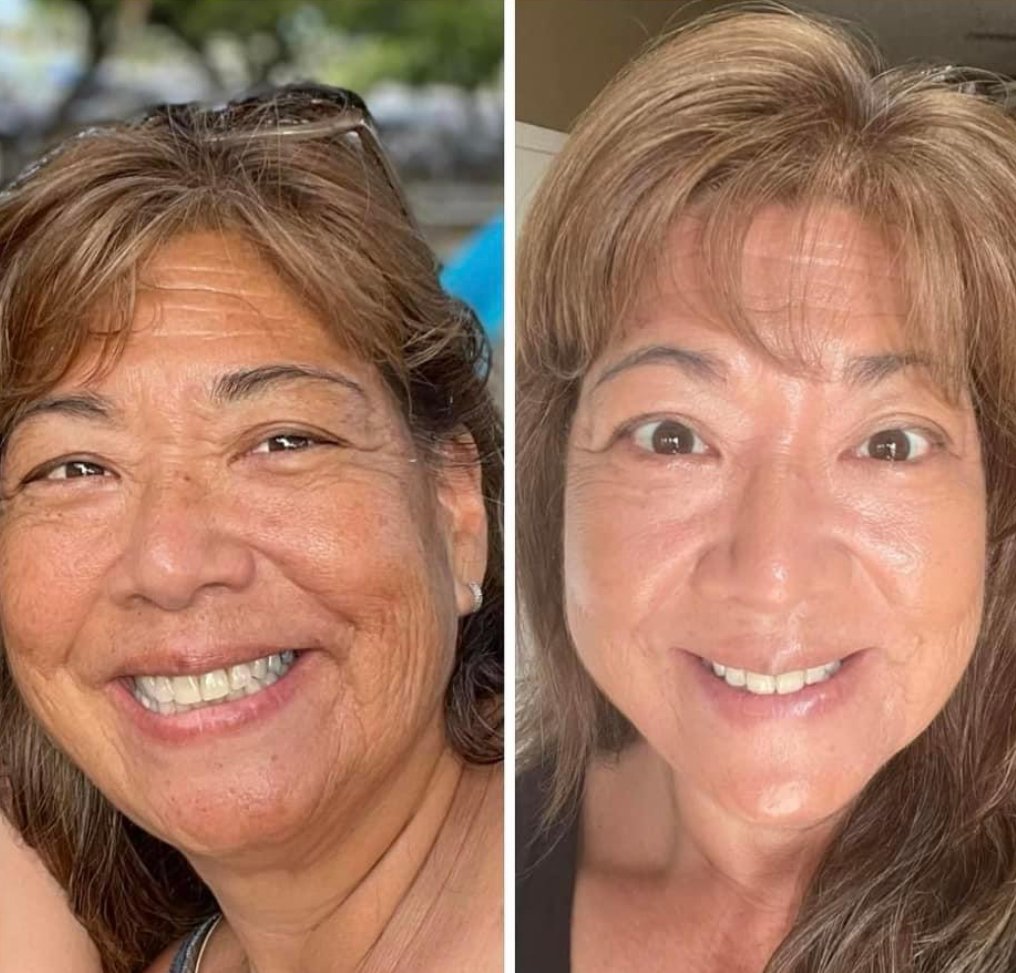
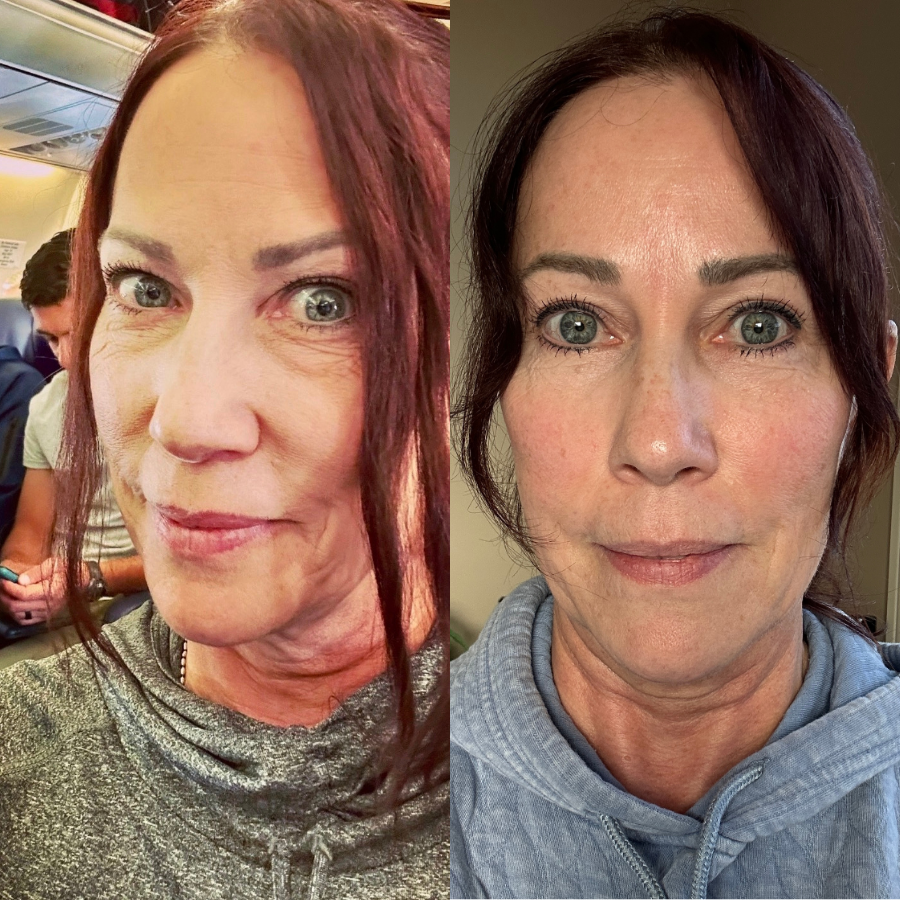
That was it. Buy the latest thing and just hope. And it showed in my skin. That’s me to the left (two years ago) with a filter because my skin looked that bad.

The term skin barrier barely registered for me back then. No one ever explained that constantly stressing your skin might be the very thing making it look older, duller, and more reactive.

So let me ask you:

  • Does your skin feel tight after washing?

  • Do products tingle and you’ve been told that means they’re “working”?

  • Are you rotating products constantly because nothing seems to stick?

That’s not just aging. That’s a compromised barrier.

What Is the Best Skin Care Routine for Aging Skin?

In my experience, the best skincare routine for mature skin isn’t aggressive. It’s protective, layered, and consistent.

That’s where Korean skincare changed everything for me.

The philosophy is simple:
Cleanse properly. Hydrate deeply. Protect consistently.

But the execution is smarter.

Instead of treating each product like a standalone miracle, Korean skincare routines are designed so products work together. They build, support and amplify.

And once I stopped fighting my skin and started supporting it, the change was noticeable fast. Not overnight hype. Real improvement within weeks.

I actually walk through that exact transition in How to Transform Your Skin in 28 Days, because when you stop attacking your skin barrier and start protecting it, results don’t take forever.

Why My Old Routine Wasn’t Enough Anymore

Here’s what shifted for me.

Double cleansing became non-negotiable.
I finally understood that one cleanse doesn’t always remove sunscreen, makeup, pollution, and oil especially on mature skin, where buildup shows faster and dullness lingers longer.

Hydration became layered, not slapped on.
Toner and serum aren’t filler steps. They prep your skin so the next products actually work better. When formulas are designed to layer intentionally, you don’t need more products. You need better ones.

And no, this doesn’t mean a complicated 10-step routine. I break this down clearly in What Is the 7-Step Korean Skincare Routine, because once you understand the purpose of each step, skincare actually gets simpler.

This is also where a lot of people go wrong when they’re running to UltaKBeauty sections grabbing whatever influencer-recommended product is trending that week. The problem isn’t Ulta. The problem is mixing random products without understanding what they’re doing, how they’re formulated, or whether they even belong together.

Not all skincare is created equal. And not all products are meant to layer.

Choosing Graceful Aging Over Constant Correction

I’m not anti-procedure. Not at all. I’ve had honest conversations about this with med spa owners, including physicians considering Korean skincare for retail and facials.

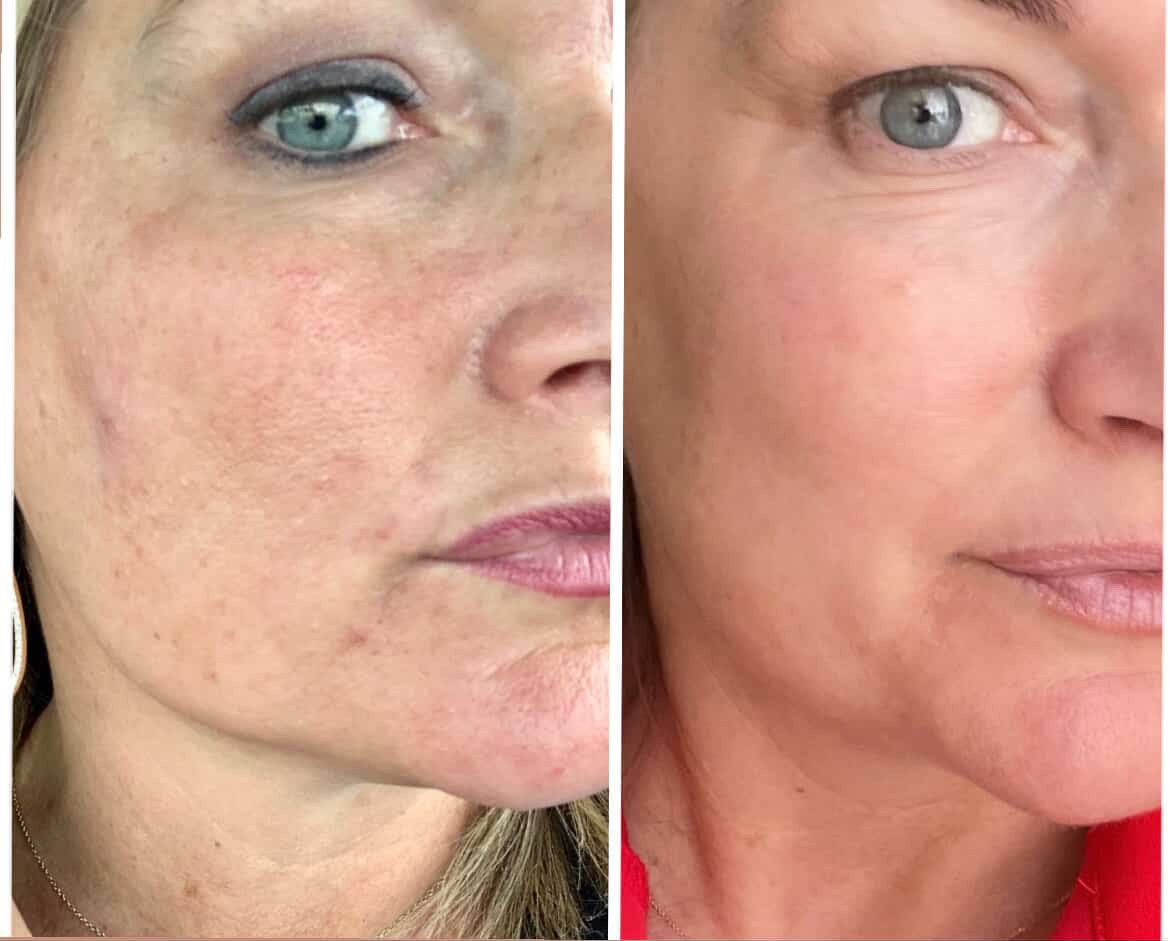
Yes, there’s a visible difference between freezing your face and not. I see it on myself. But at this stage of life, I’m choosing something different. (me after using RIMAN)

Instead of spending $500 every four months on Botox across my entire face, I’d rather:

  • Invest a fraction of that in high-quality skincare

  • Be consistent with facials

  • Prioritize daily protection over periodic shock

  • Put money into self-care that compounds

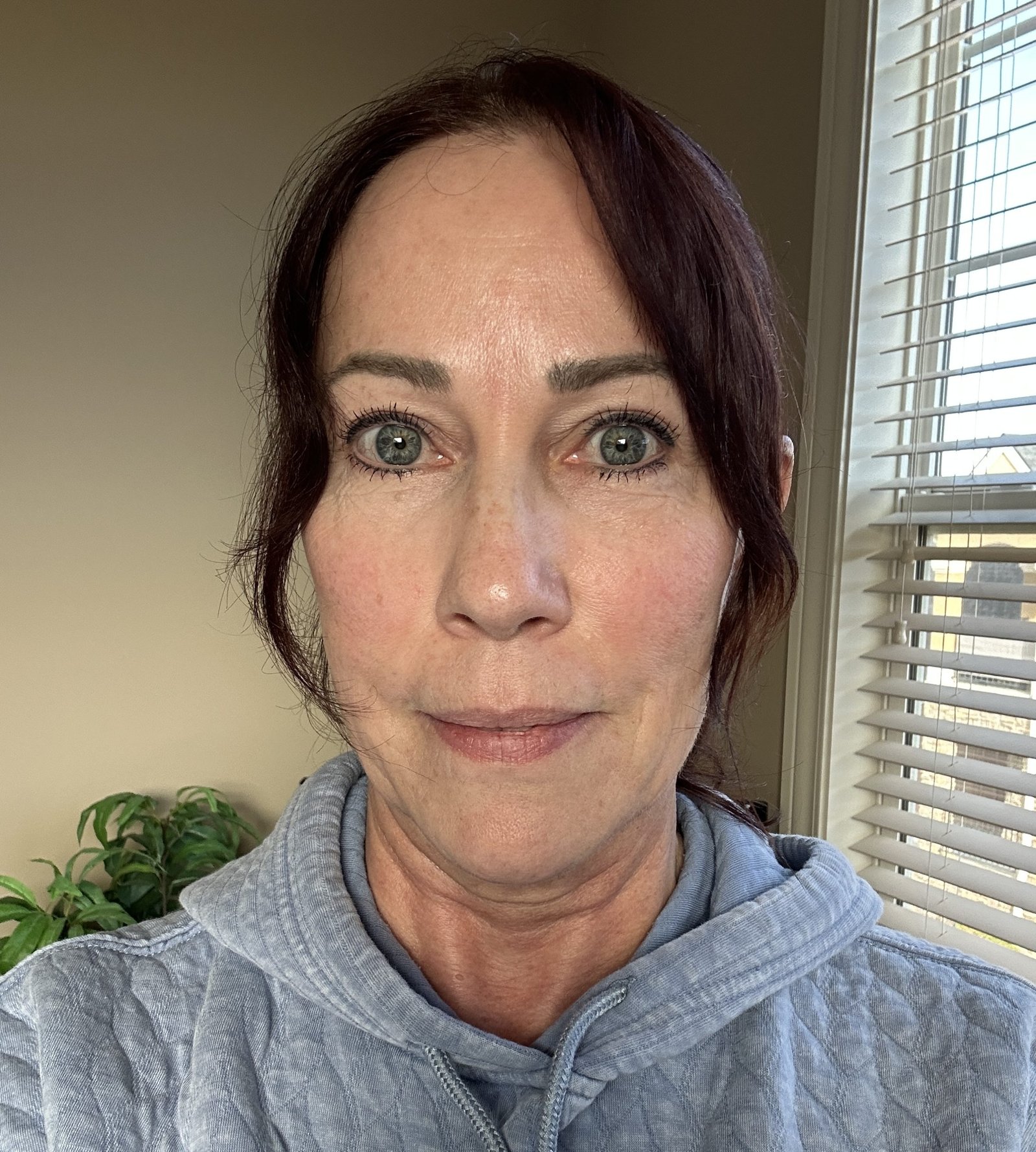
That choice feels aligned with how I want to age. (The picture is of me last week without makeup or a filter.)

Where RIMAN Fits Into My Routine

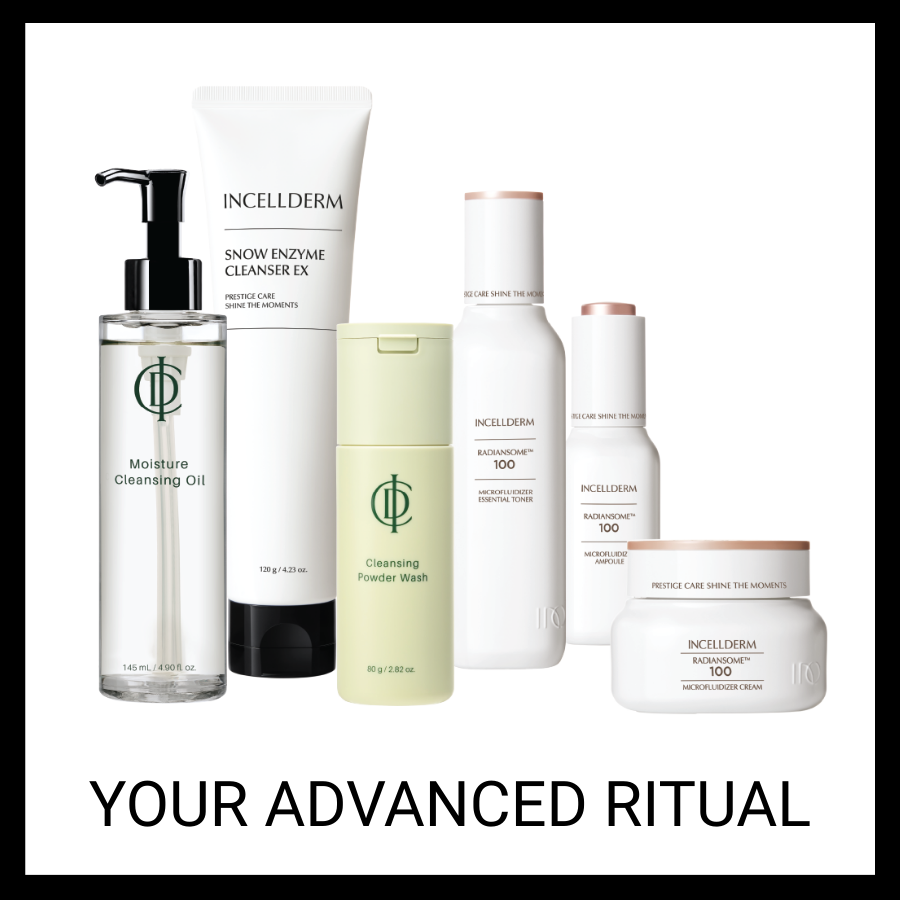
Once my skin barrier was healthier and my routine was consistent, adding RadianceSOME™ 100 from RIMAN accelerated everything.

This is important: it didn’t replace good habits. It amplified them.

RadianceSOME™ 100 uses nano-liposome delivery—a method that enables the molecules to reach the deepest layers of your skin, which matters when you’re looking for the best anti- aging skin care products for 50s and beyond. Med spa quality products at a price you can afford.

Mature skin doesn’t need louder actives. It needs formulas that can actually get where they’re supposed to go.

If you’re someone who likes to understand what you’re using and why, I’ve answered the most common questions on my RIMAN Skincare FAQ page. I’d rather you make informed decisions than blindly copy my routine.

The Confidence Shift No One Talks About

The biggest change wasn’t just my skin. It was how I felt about aging.

I’m not chasing 30. I’m protecting 61.

My skincare routine for mature skin now supports hydration, resilience, and integrity. My skin looks cared for. And that confidence shows up on camera.

So before you buy another trending product, ask yourself:

  • Does this protect my skin barrier or stress it?

  • Are my products designed to work together?

  • Am I investing in short-term fixes or long-term support?

That’s the real difference between reacting to aging and aging with intention.

Skincare in Your Makeup: Meet the Lip Oil That Actually Works

Have you ever looked at a display of lip oils and thought, “What’s the hype with lip oils?”

Because truly, that was me. I’d see them everywhere and wonder if they were just glorified lip gloss with better marketing. I wasn’t interested in adding another step to my routine, especially something I didn’t understand.

So when Riman expanded into makeup with skincare woven right into the formulas, I hesitated. Their Korean skincare changed my actual skin; that part is true. But makeup? That’s its own category. I’m not easily swayed by cute packaging or what’s trending this month. And if I’m going to add something new, it has to earn its place.

I gave in to curiosity.

One swipe. And immediately thought, okay… now I see why this exists.

It didn’t feel slippery or sticky. It didn’t disappear the moment I took a sip of water. It felt comfortable and nourishing, like my lips had been needing this without me realizing it.

If you’ve been wondering what the point of lip oil actually is — that’s the point. It gives you shine and comfort without stripping your lips or leaving them dry an hour later.

And if you’re curious about pricing or where these products land compared to traditional beauty brands, you can look at what Korean skincare actually costs — it gives helpful context before you decide what’s worth trying.

So… What Is Lip Oil and How Do You Use It?

Here’s the simplest way to think about it: a good lip oil acts like skincare first, makeup second.

You get hydration, nourishment, and a soft glow — without stickiness or that heavy gloss feeling. You can wear it alone, or layer it over color for something more polished. And the right formula will actually improve your lip texture over time.

That’s why people are choosing lip oil instead of lip gloss. Gloss looks shiny. Lip oil looks shiny and makes your lips feel better.

The Lip Oil That Changed My Mind

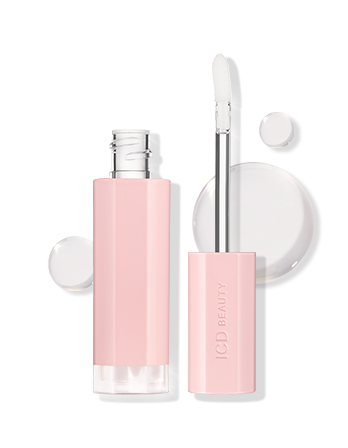
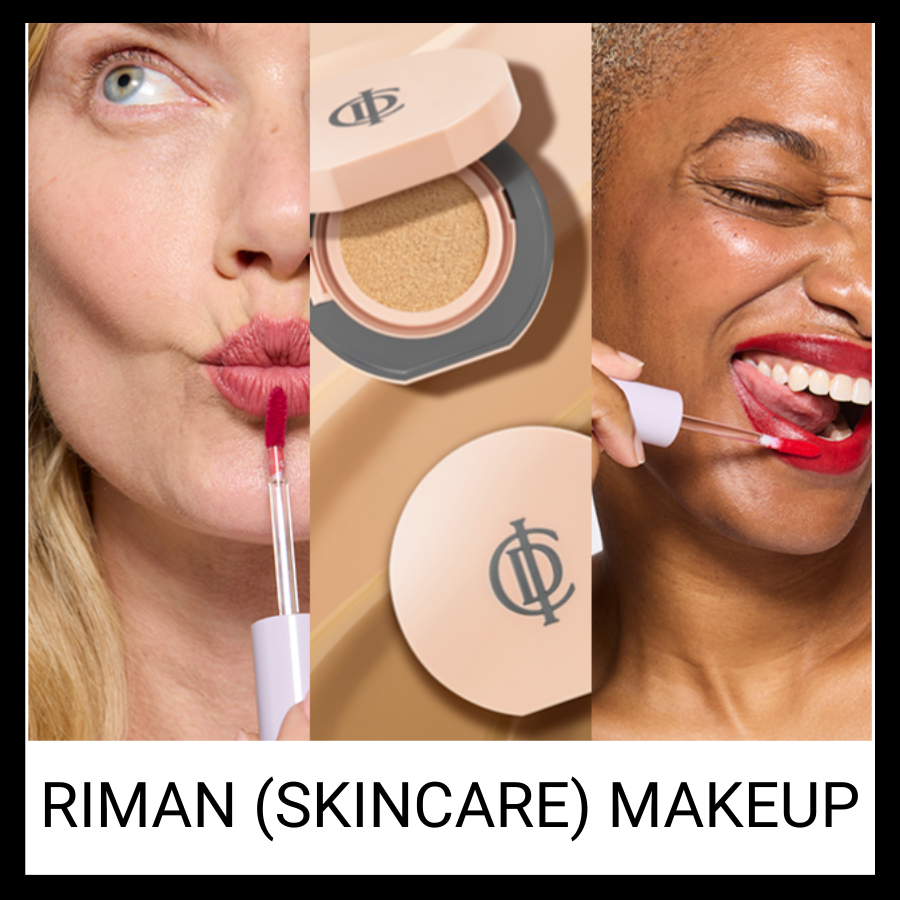
The ICD Glow Up Lip Oil isn’t just a “pretty shine” moment. The formula includes:

  • Patented Giant BYoungPool™ (exclusive Centella from Jeju Island that Riman cultivates under controlled Smart Farm conditions)

  • Vegan Collagen for visible plumping and hydration

  • Ceramides to support your lip barrier

What this means in real life: your lips stay hydrated longer, feel smoother, and don’t dry out — even when you wear it at night. And yes, it doubles as a lip sleeping mask. One swipe before bed, and you wake up with softer, healthier lips.

This is why lip oil isn’t just glossy lip gloss rebranded. It’s doing something.

Semi-Solid Butter Formula (Color That Feels Like Skincare)

Once the lip oil surprised me, I wanted to know what else ICD Makeup was up to.

Their semi-solid butter formula for lip color is honestly beautiful. It goes on with a soft, cushioned glow and then settles into a velvety, blurred matte finish that feels weightless. No dryness, no tightening, none of that chalky feeling we’ve all experienced from traditional mattes. It’s comfortable, wearable color that smooths rather than emphasizes texture.

The Shades Are Wearable — Really Wearable

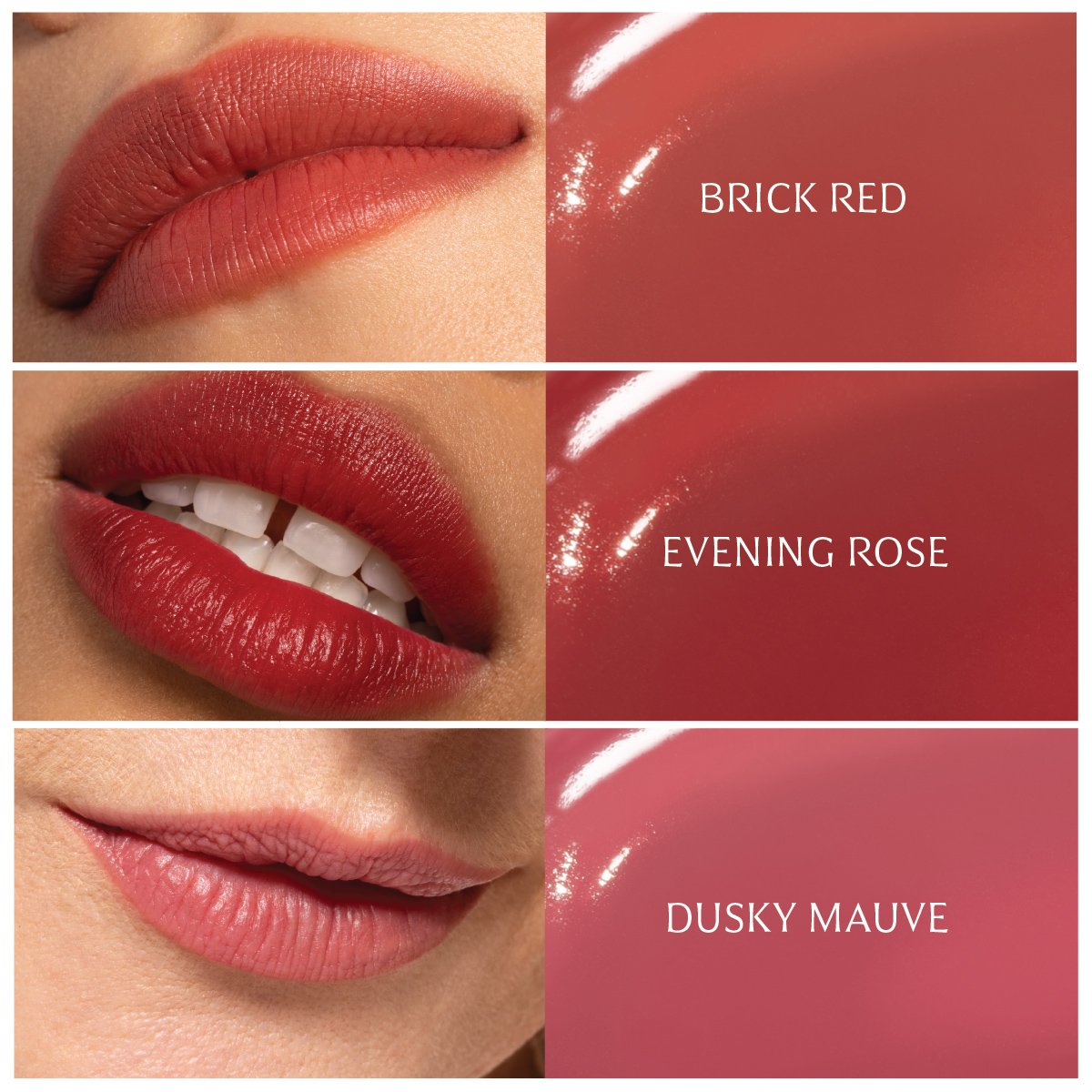
Here’s the one bullet section (as promised):

  • 03 Brick Red — warm brownish red

  • 04 Evening Rose — soft rose without the “too pink” territory

  • 07 Dusky Mauve — cool, modern, and effortlessly polished

You can wear them alone or layer the Glow Up Lip Oil on top for a glossy tint that looks intentionally put together without trying too hard.

Why This Matters If You’re 40, 50, 60+

Our lips naturally lose volume, moisture, and color definition as we age.

What once felt fine at 25 can suddenly feel drying or harsh later on. This is where skincare-infused makeup finally becomes practical — it gives you color without punishing your lips.

These formulas hydrate instead of stripping. They soften the look of lines instead of settling into them. And they enhance your natural features without shouting. It’s makeup built for real life, not photo shoots.

If you want to see how a simple, consistent routine supports everything you put on top — including your lip color — you can read the guide on transforming your skin in 28 days with the Riman ritual.

So… Is Lip Oil Worth the Hype?

If you’ve tried lip oils before and felt underwhelmed, I get it. A lot of formulas look nice but don’t actually do anything. This one earns its spot.

It feels good the moment you put it on.

It looks polished without being over the top.

And it plumps and moisturizes your lips while you wear it — something regular gloss has never been able to promise.

That’s the difference.

Where to Start

If you’re curious, begin with the ICD Glow Up Lip Oil. It’s the simplest way to understand why lip oils are having their moment.

Then, when you’re ready to explore color, the ICD butter-matte shades — Brick Red, Evening Rose, and Dusky Mauve — are flattering, comfortable, and easy to wear daily.

And if you’re exploring Korean skincare or makeup for the first time, you can always start on the homepage and browse around.

How to Transform Your Skin in 28 Days

K-beauty has been everywhere for years, which is exactly why it’s not a “trend.” If you’re on TikTok or Instagram (or know a teenager who is), you’ve probably seen the glowing skin routines. I somehow missed all of it… until a friend introduced me to Riman, the #1 K-beauty brand in South Korea that had been quietly circulating in Korean-American communities long before the U.S. ever caught on.

What stood out wasn’t the packaging or the steps. It was the philosophy: calm the skin, hydrate the barrier, and let your face return to the version of itself you forgot was possible.

That’s when I learned two things:

  1. A Korean skincare ritual works because it prioritizes prevention and hydration, not punishment — but not every Korean skincare line can back that up.
  2. Riman makes it simple — five steps, morning and night, with visible changes inside one full skin cycle (28 days). The secret? Two patented ingredients sourced from a single place in the world that only this company has access to. It’s why the results look different — smoother, calmer, brighter.

So let’s get to the part you came for:  the routine you can start tonight.

The 5-Step Riman Korean Skincare Ritual

You don’t need a complicated routine. 

You just need the right products, in the right order, consistently.

Step 1: Double Cleanse (Pure Cell + Snow Enzyme)

Start with Moisture Cleansing Oil to remove sunscreen, makeup, and buildup.

Follow with the Snow Enzyme Cleanser to finish the clean without stripping your skin.

Why it matters: Clean skin = better absorption. This step sets up everything that follows.


Step 2: Optional Hydration Boost (for sensitive or reactive skin)

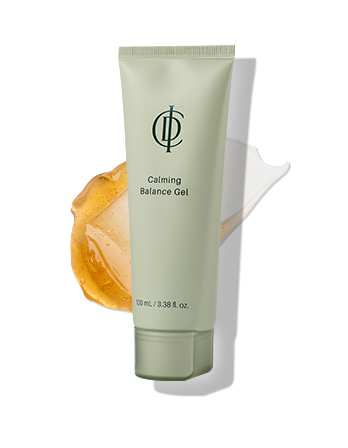
If your skin gets red, tight, or easily irritated, smooth on ICD Calming Balance Gel here.

If not, skip it — this step is only for days your skin needs extra support.


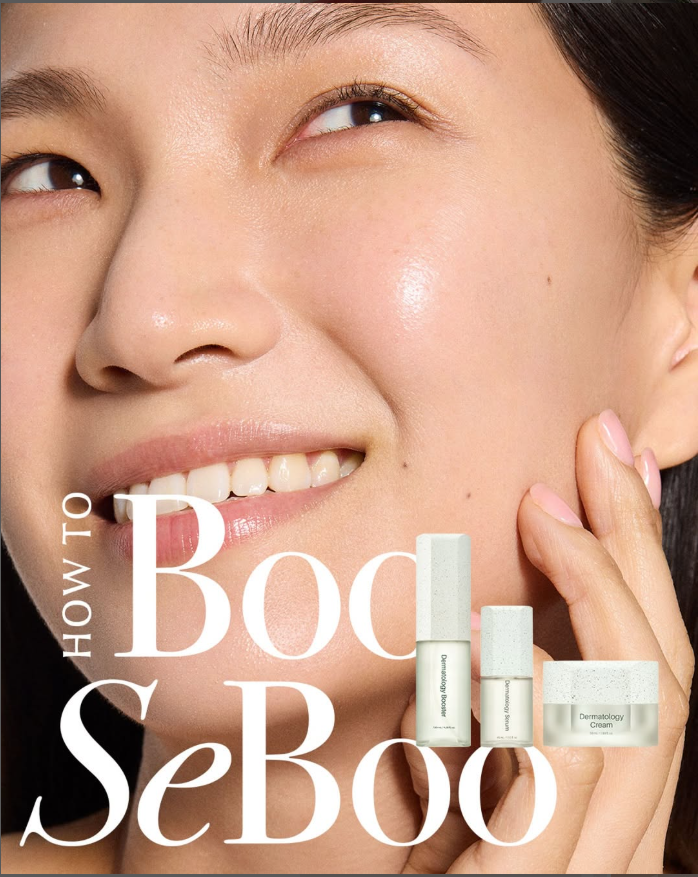
Step 3: Prep With Boo–Se–Boo (Dermatology First Package)

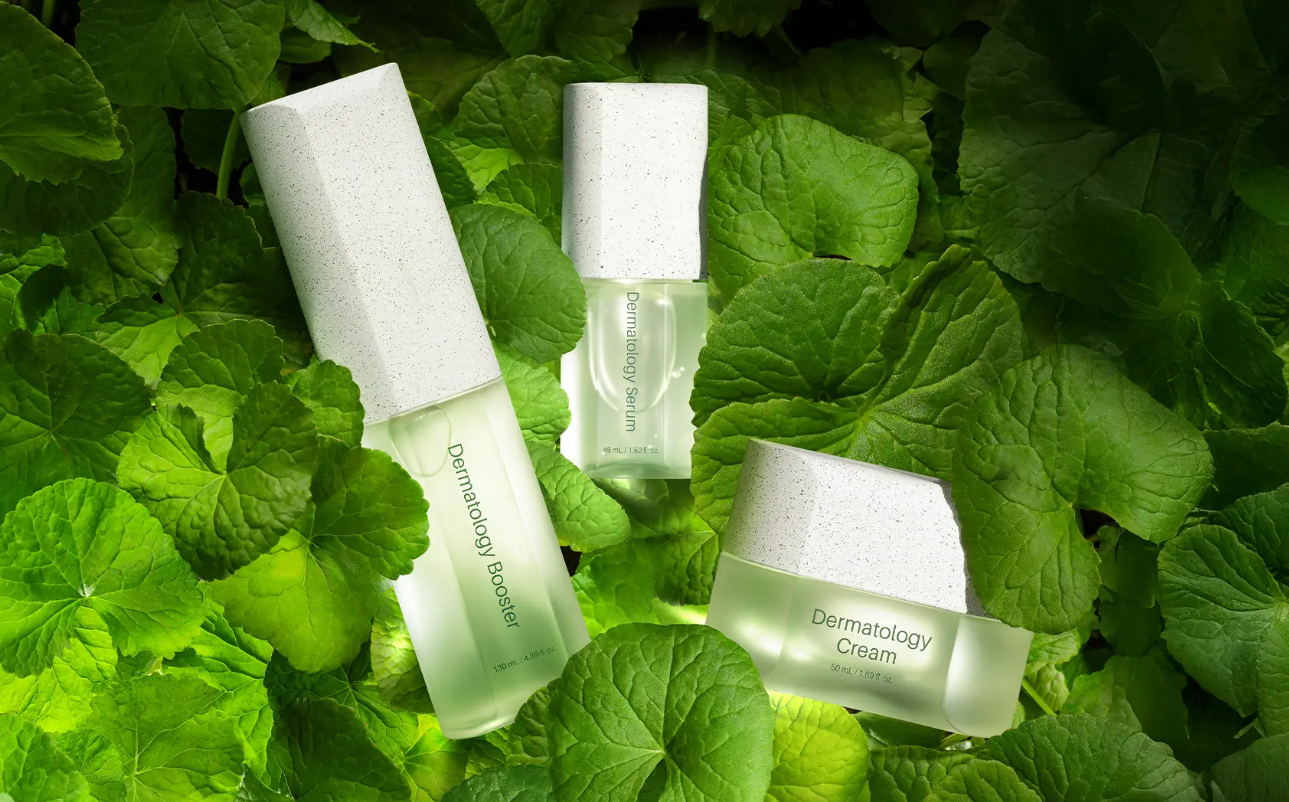
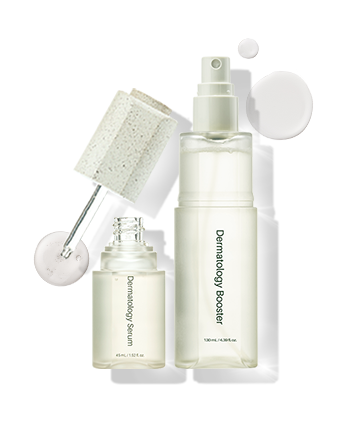
This entire sequence counts as one step in the ritual — it’s simply layering the products inside the ICD Dermatology First Package.

  • Boo: Apply the Dermatology Booster
  • Se: Apply the Dermatology Serum
  • Boo: Finish with a second layer of the Dermatology Booster

Why it matters: This is Riman’s signature pattern. It softens → hydrates → locks in… all using the same set. No extra products. No added steps.

If you want to amplify your results, switch to RADIANSOME™100 Microfluidizer Essential Toner and Serum Ampoule.


Step 4: Moisturize (Day or Night Cream)

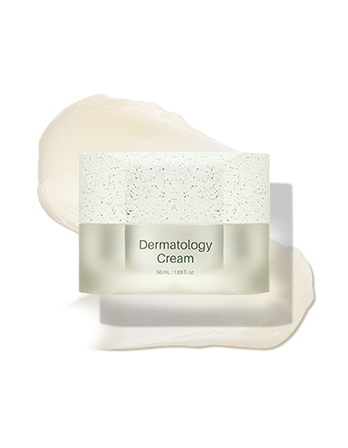
During the day, apply ICD Dermatology Cream for lightweight, all-day hydration.
At night, you can switch to RADIANSOME™100 Microfluidizer Cream if you want deeper nourishment.

This is also your eyecream so you don’t need to buy and extra product.

Why it matters: This is what strengthens your barrier so the hydration lasts.

Step 5: Protect (Morning Only)

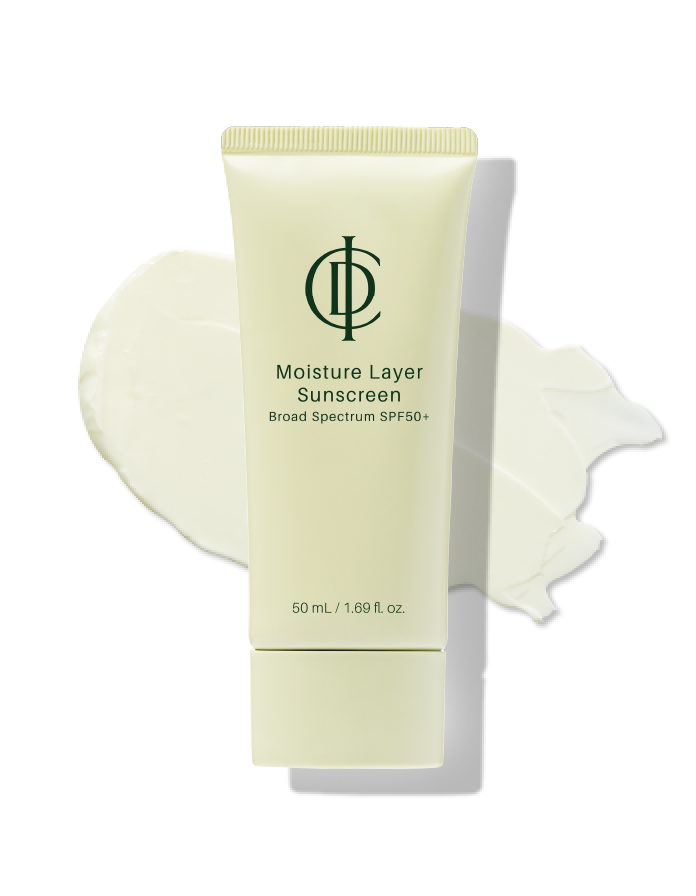
Finish your morning routine with ICD Moisture Layer Sunscreen.

Why it matters: Sunscreen keeps 80% of visible aging from showing up in the first place — and this one blends in beautifully.

What to Expect in 28 Days

Week 1:

Your skin feels more hydrated and less reactive.

Week 2:

Texture starts smoothing. The healthy glow shows up.

Week 3:

Fine lines soften. Tone looks more even. Skin feels balanced.

Week 4:

Your complexion looks noticeably smoother, brighter, and healthier — even without makeup.

So… Where Did Riman Come From? (And Why Haven’t You Heard of It?)

If the name Riman is new to you, don’t assume it’s a small brand or some “up-and-coming” line that just hit the U.S. market. It’s actually the opposite.

In South Korea, Riman is a powerhouse

They built a $2 billion business in five years. The ICD Dermatology Cream is so powerful they sold 35 million jars in a country with 50 million people. They even have their own retail stores — the kind of visibility that tells you a brand isn’t just popular… it’s trusted.

So why haven’t most people in the U.S. heard of it?

Because the way Riman expanded here was nothing like the usual beauty-brand playbook. There was no major launch, no celebrity promo, no “find us at Sephora” announcement. It started quietly, mostly within the Korean-American community, through people who shared it because they were getting results, not because a marketing campaign told them to.

From there, it grew in a way that actually makes sense if you’ve used the products:
affiliates, estheticians, spas, salons, healthcare pros, and entrepreneurs who wanted to offer something that felt aligned with the way they already serve their clients. Some sell it retail. Others use it in treatments. 

For me, it was simple. At 61, my skin looks better than it did in my 30s — and definitely better than all the years I spent chasing procedures and pricey jars. When something works that well, you don’t keep it to yourself. That’s why I said yes to being an affiliate.

Riman isn’t new.

It’s just new to most people here.  And now you know where to start.

……………………………………………….

What Is the 7-Step Korean Skincare Routine?

What is the 7-step Korean skincare routine (and why I love it so much!)

If you’ve followed me for any length of time, you know I’m not the “spend an hour in the bathroom” kind of woman. I can get dressed up. I own the long dresses. I’ve done the gala nights and the full face of makeup. But on a normal day? As an entrepreneur, the less time I spend in front of a mirror, the happier I am so the thought of a 7-step Korean skincare routine was not top of mind.

Which is why the moment that stopped me in my tracks felt so jarring.

It was late 2020. I had invested in a business branding photoshoot—one of those “it’s time to elevate the brand” moments. The photographer sent the proofs, and when I opened the gallery, I swear I felt the floor tilt.

Lines I didn’t realize had shown up. Texture that looked rougher than I’d ever seen. Sun damage. That unmistakable tired look around the eyes no amount of concealer can solve. It was everything at once.

I remember staring at the screen thinking… when did this happen?


And because I’m human, and 2020 was already a year where everything felt out of my control, I went all in on trying to “fix” it.

Three months straight of deep microneedling and cold laser (and a $3,500 price tag).

Botox every four months (another $400 a pop).

Fillers. Retinol. $100–$200 jars of creams from brands you probably know.

I even did cheek threading. Imagine needles and thread pulling my face back to “build collagen.” Spoiler: it hurt like hell.

For a week after each session, I looked like a pufferfish with eyes barely peeking out. The pain in the first 48 hours? Not my best memories. And because those treatments made my skin so vulnerable, I was basically on a vampire day-pass — avoiding the sun like it was out to finish me off.

By the time I turned 60, something in me finally said, this cannot be the only way.

And then a friend who is 62 years old, zero Botox, zero fillers, glowing like she had a personal lighting crew,  introduced me to modern Korean skincare.

She didn’t give me a pitch. She didn’t say “try this miracle.” She just showed me her skin and said, “Let’s do a glow up so you can try the products for yourself.” And that was enough.

Is 7-Step Skincare Too Much?

This is the question everyone asks first, usually with a little eye twitch.

If you’re imagining 45 minutes at your sink each night, let me stop you right now. The classic 7-step Korean skincare routine isn’t about doing everything. It’s about doing the right things in the right order so your skin actually responds… especially if you’re over 50, dealing with sun damage, dryness, dullness, or loss of firmness.

If you’re asking, “Is 7-step skincare too much?” it’s easy to see you don’t want another chore. You want something that works and doesn’t take over your life.

The beautiful part?

The 7 steps aren’t actually seven different products. In Riman’s system, it’s five products arranged in six steps — and sunscreen becomes the seventh if it’s morning.

The routine is simple. The results are what feel dramatic.

What Are the 7 Steps of a Skincare Routine?

Let’s break down what the 7 steps look like in a daily routine (mine), not a Pinterest chart.

Step 1: Oil Cleanser

This melts makeup, sunscreen, pollution, and all the stuff your skin collects while you’re out living your life. I use Moisture Cleansing Oil because it dissolves everything without stripping your skin or making it tight.

Step 2: Water-Based Cleanser

In Riman, this is the Snow Enzyme Cleanser. A pea-sized amount, add water, and it foams into the softest cloud. It clears what the oil loosened and respects your skin barrier.

Step 3: Booster

Think of this as waking your skin up. It preps your face so everything that follows can absorb better

Step 4: Serum

Your targeted treatment step. Hydration, firmness, brightness — this is where active ingredients do their magic.

Step 5: Booster (again)

This is the “Boo-Se-Boo”: booster, serum, booster. It’s a Riman layering technique that changed how my skin held hydration.

Step 6: Moisturizer

In Riman’s EX line, the moisturizer also functions as your eye cream. One product, one step, double duty. If you want to go all in (like I do at night), the RADIANSOME 100 line is amazing!

Step 7: Sunscreen (morning only)

Nighttime routine skips this. But in daylight? Non-negotiable. And the RIMAN Moisture Layer Sunscreen gives you SPF50 plus birch sap and 8-layer Hyaluronic acid for all-day hydration.

That’s it. That’s your 7-step Korean skincare routine. Not overwhelming. Not excessive. Just intentional.

Why Mature Skin (40s, 50s, 60+) Responds So Well

When you’re 25, your skin forgives your choices. When you’re 45 or 60? Not so much. Years of sun, stress, makeup, sleeping in makeup (don’t lie), and “whatever’s on sale at Sephora” form a pattern.

K-beauty, and specifically Riman,  interrupts that pattern because:

  • The formulas support your skin barrier.
  • Hydration comes from both water-rich and oil-rich steps.
  • Products are designed to be layered without irritation.
  • They use giant byoungpool leaf water, ceramides, antioxidants, and microfluidizer technology (hello, med-spa results without med-spa pricing).

Your skin isn’t being blasted with harsh actives. It’s being rebuilt.

When I say I haven’t needed Botox or fillers since switching?  I mean it. And trust me, I was the queen of “just one more syringe.”

So… Is 7 Steps Too Much?

Not when:

  • It takes under five minutes
  • Uses products that work together
  • Replaces thousands of dollars in procedures
  • You actually enjoy doing it because your skin reflects the effort

The only routine that’s “too much” is the one you don’t follow. Btw….that’s me at 59 with a filter and at 61 – two months after using the RIMAN ritual.

If You’re K-BEAUTY Curious, Here’s Your Next Step

If you want to try the exact routine I use, the same one that let me ditch Botox and fillers and finally feel good about my skin after 60, you can shop the full Riman ritual here:

Build a routine that actually works for your skin (and doesn’t require a second mortgage).

And, if you want a way to get your products paid for by sharing something that works, check out our affiliate program.

……………………………………………….