Self-Care Ideas That Go Beyond Baths and Bubble Tea
A Different Take on Self-Care That Starts With What You’re Already Doing

What are examples of self-care?

Most people would say things like going for a walk, taking a bath, journaling, reading, stretching, unplugging from your phone, or doing something creative. These are all common self-care ideas, and they absolutely matter. They help reduce stress, support mental health, and give your nervous system a break from constant input.

But here’s what doesn’t get talked about enough.

Most self-care advice focuses on adding something new to your life. One more habit. One more ritual. One more thing you’re supposed to make time for, usually when you already feel stretched thin.

And if you’re a woman over 50, chances are you’re juggling a lot. Work. Family. A business. Aging parents. Your own energy levels. You’re not lacking discipline…you’re managing real life.

So what if self-care didn’t start with something extra?

What if it started with the things you’re already doing every day, and simply doing them with a little more intention?

That’s where this gets interesting. Because some of the most effective self-care isn’t about escaping your life. It’s about changing how you move through it — including the way you care for your skin.

Skincare as Self-Care (Not the Way You’ve Been Taught)

Healthy, radiant skin after 50 doesn’t come from fighting your face or chasing the next miracle product. It comes from understanding what your skin needs now and building a routine that works with your body instead of against it.

Small adjustments.
Better ingredients.
Consistency over intensity.

When you look at skincare this way, it stops being cosmetic and starts functioning like real self-care—something you return to daily and weekly because it supports you, not because you’re trying to fix yourself.

And yes, it can become one of the most grounding forms of self-care you have.
Exfoliation: A Daily Self-Care Reset (Not a Weekly Punishment)

As we age, our skin doesn’t shed dead cells the way it used to. Cell turnover slows, which means dull, lifeless layers tend to linger on the surface. That’s why skin can start to look rough, uneven, or tired — even when you’re using “good” products.

This is where exfoliation comes in, but not in the harsh, once-a-week way many of us were taught.

Scrubs, peels, and aggressive exfoliants can leave mature skin irritated and reactive. Instead of helping, they often create another problem to manage.

What works better at this stage of life is gentle, consistent exfoliation — the kind that fits into your daily self-care rhythm instead of disrupting it.

Rather than shocking your skin once a week, you support renewal a little at a time, every day, in a way that protects the skin barrier.

A helpful way to think about exfoliation: it should feel supportive, not corrective.

At 61, I’ve tried a lot of exfoliants over the years. What finally made the difference was stepping away from harsh weekly exfoliation altogether.

In the morning, usually in the shower while I’m getting ready (and yes — my goal is to get in and out quickly), I use the ICD Cleansing Powder Wash. It exfoliates, but it’s gentle enough that I can use it daily without irritation.

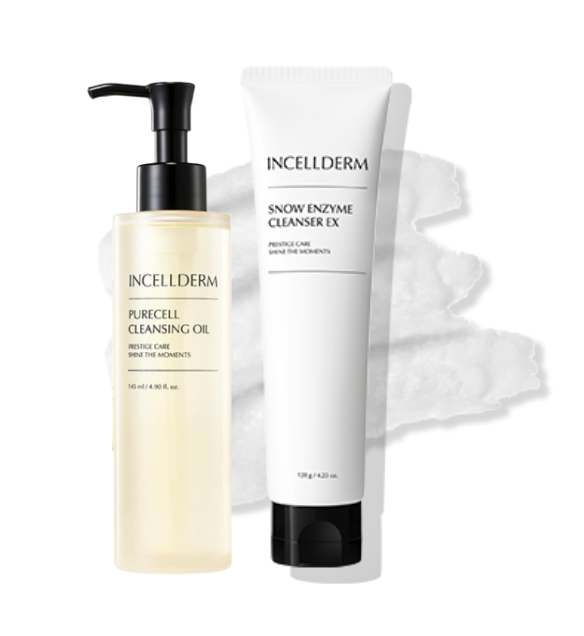
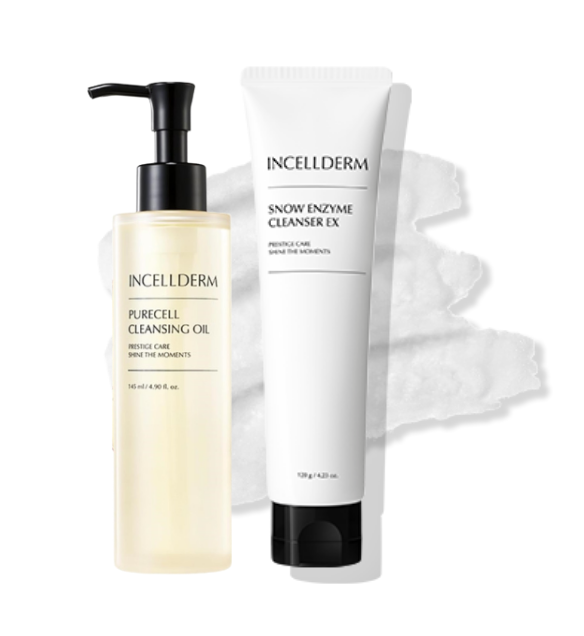
At night, as part of my double cleanse, I use the Snow Enzyme Cleanser. It’s also a gentle exfoliant, which means my skin stays smooth without ever feeling overworked.

Because of these two products, exfoliation became part of my daily self-care, not a once-a-week gamble.

That’s not doing more. That’s doing what actually works.
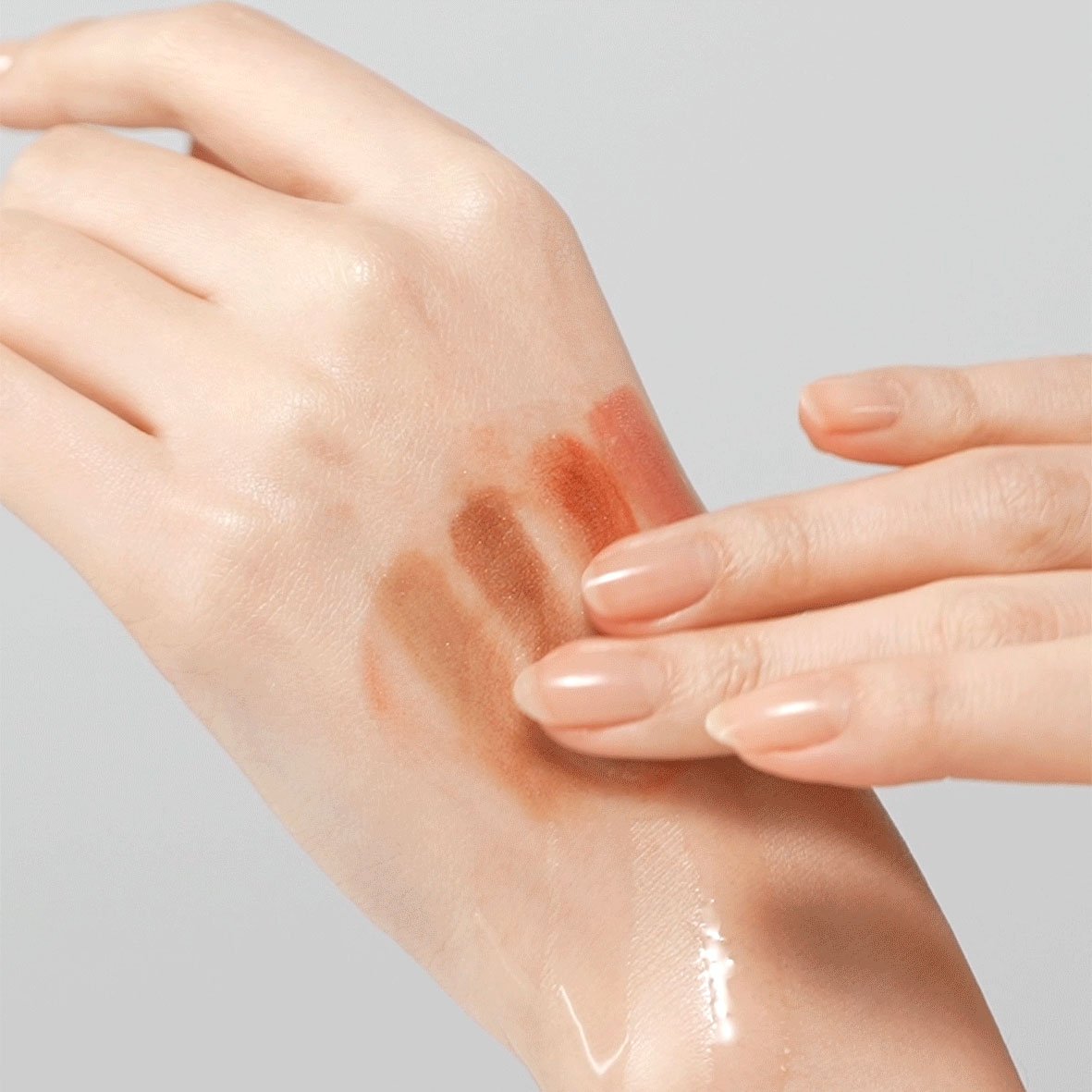
Facial Oil + Massage: Turning an Everyday Habit into Self-Care

This is one of those steps that looks optional until you experience what it changes.

Facial massage boosts circulation, encourages lymphatic drainage, and helps reduce puffiness, especially around the jawline and under the eyes. But just as importantly, it forces you to slow down.

And slowing down is where self-care actually lives.


At night, I use Pure Cell Cleansing Oil as the first step of my double cleanse. While the oil is on my skin, I gently massage my face for about two minutes. Sometimes I use my hands. Often, I use a gua sha tool (This is the one I bought for $6.99)

No complicated routine. Just light pressure and two minutes while you’re already washing your face.

This simple step encourages circulation, helps reduce fluid retention and creates a pause before bed. That pause matters.

For years, washing my face was something I rushed through. Shower. Cleanse. Done. Especially as a business owner, my goal was speed, thinking about how fast I can get ready and move on to the next thing.

I never stopped to think that those same minutes could become self-care for me until I reframed them. The products I use changed and my intention did too.

This step is rooted in a Korean cleansing method called the 4-2-4 rule, which focuses on oil cleansing first, followed by a gentle foam cleanse and a water rinse, all designed to clean deeply without stripping the skin. I break that method down in detail here if you want to understand why it’s so effective for mature skin.

Self-Care Sunday: Your Weekly Hydration Ritual

Daily routines keep your skin stable.

Weekly rituals are what help it recover.

As estrogen declines, skin loses its ability to retain moisture efficiently. That’s why hydration becomes more than a nice-to-have; it’s essential for comfort, elasticity, and resilience.

Once a week, I treat this as Self-Care Sunday.

Sunday night, before bed, I use the Collagen 100 Melting Mask, activated with a booster. I do it intentionally at night so the collagen and hydration can sit on my skin while I sleep.
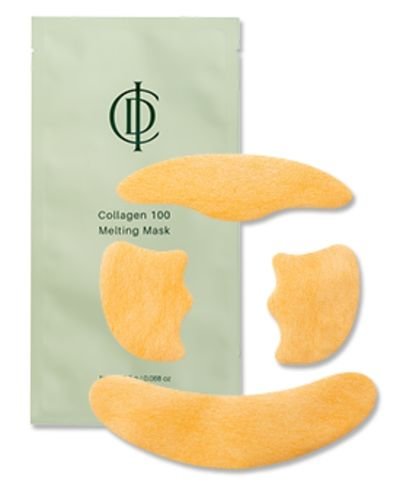
Not only does the mask help soften the appearance of fine lines, it also restores hydration and support that time and hormones naturally pull away — which is exactly what mature skin needs most.

Most skincare products use distilled water as their base. That works, but it’s basic. The booster I use contains Jeju lava water, a mineral-rich water found in one place in the world. Those minerals support deeper, more effective hydration — something mature skin needs far more than aggressive actives.

This weekly self-care ritual:

  • deeply hydrates without heaviness
  • supports elasticity and comfort
  • leaves skin looking rested and plumper

But just as important, it gives me permission to stop for ten minutes.

That’s not indulgence. That’s self-care working exactly as it should.

Bringing It All Together: A Simple Daily Skincare Rhythm

Once exfoliation, facial massage, and weekly hydration are working together, your daily routine becomes much simpler.

You don’t need every product in the lineup. You need the right order, the right ingredients, and consistency.

Your morning routine supports and protects your skin so it can handle the day.

Your evening routine is about repair, restoration, and slowing down.

When skincare is approached this way, it naturally becomes part of your daily and weekly self-care routine, something that supports you instead of demanding more from you.

If you want a deeper breakdown of how this fits into a Korean skincare philosophy, I’ve linked my full 7-step Korean skincare routine so you can see how everything layers without overwhelm. That focus on barrier support, hydration, and consistency is exactly why I ultimately switched to Korean skincare after trying countless products over the years.


A Final Word on Self-Care (and Permission)

There are endless self-care tips out there. Some are helpful. Some are overwhelming. Most assume you have more time than you actually do.

Sometimes the most powerful self-care isn’t adding something new, it’s shifting how you show up for what you’re already doing.

  • Washing your face.
  • Taking a shower
  • Getting ready for bed.

When you slow down just a little and choose to honor that time, those moments stop being chores and start becoming care.

That’s the real mindset shift.

Not more self-care. Just more intention. And that’s something you can start tonight.

If You’re K-BEAUTY Curious, Here’s Your Next Step

If you want to try the exact routine I use, the same one that let me ditch Botox and fillers and finally feel good about my skin after 60, you can shop the full Riman ritual here:
Why Is K-Beauty So Popular?

A Practical Guide to the Korean Skincare Philosophy

Earlier this year, I caught my reflection at just the wrong angle.

My face looked fine. Better than fine, actually. But my neck? My neck was telling the truth I’d been politely ignoring. Loose. Crepey. Tired in a way no concealer can fix.

My first thought wasn’t “I should tweak my skincare.”
It was, Well shit. I guess I need to start saving for a neck lift.

That moment matters because it explains why K-Beauty finally clicked for me.

If you’ve been around here for a bit, you already know the backstory. The 62-year-old friend I hadn’t seen in years. No Botox. No downtime. Skin so good I blurted out, “What the hell are you doing to your face?” That was my first real introduction to Korean skincare.

But it wasn’t until the neck moment that I truly understood why K-Beauty works. And why it’s not a trend. It’s a philosophy.


K-Beauty Isn’t About Fixing. It’s About Preventing.

Most of us in the U.S. grew up with a very aggressive idea of skincare. Scrub it. Strip it. Zap it. Burn it off. Peel it back. Fix it when it’s already broken.

K-Beauty flips that logic on its head.

The Korean skincare philosophy is rooted in prevention. The goal isn’t to attack your skin once it’s aging or inflamed. The goal is to keep it healthy, hydrated, and supported so it doesn’t need to be rescued later.

That’s why hydration and skin barrier health are at the center of everything. Not acids for the sake of acids. Not “miracle” actives layered until your face is angry.

Healthy skin first. Everything else comes after. And yes, that matters more as your skin ages.

Why Is K-Beauty So Popular?

Because it delivers results without punishment.

People talk about glass skin and dewy skin like they’re magical outcomes. They’re not. They’re the result of consistent hydration, gentle cleansing, and giving your skin what it actually needs to repair itself.

K-Beauty became popular because people started noticing something different. Skin that looked calm. Balanced. Plump. Alive. Not shiny. Not tight. Not inflamed. Just… healthy.

And when you see that kind of skin on real people, not filtered teenagers on TikTok, it gets your attention.

The Multi-Step Routine Isn’t the Problem You Think It Is

Let’s talk about the elephant in the bathroom.

Yes, K-Beauty uses a multi-step skincare routine. No, that doesn’t mean it’s complicated or time-consuming.

The steps exist because each product does one job well. Cleanse. Hydrate. Treat. Seal.

That’s it.

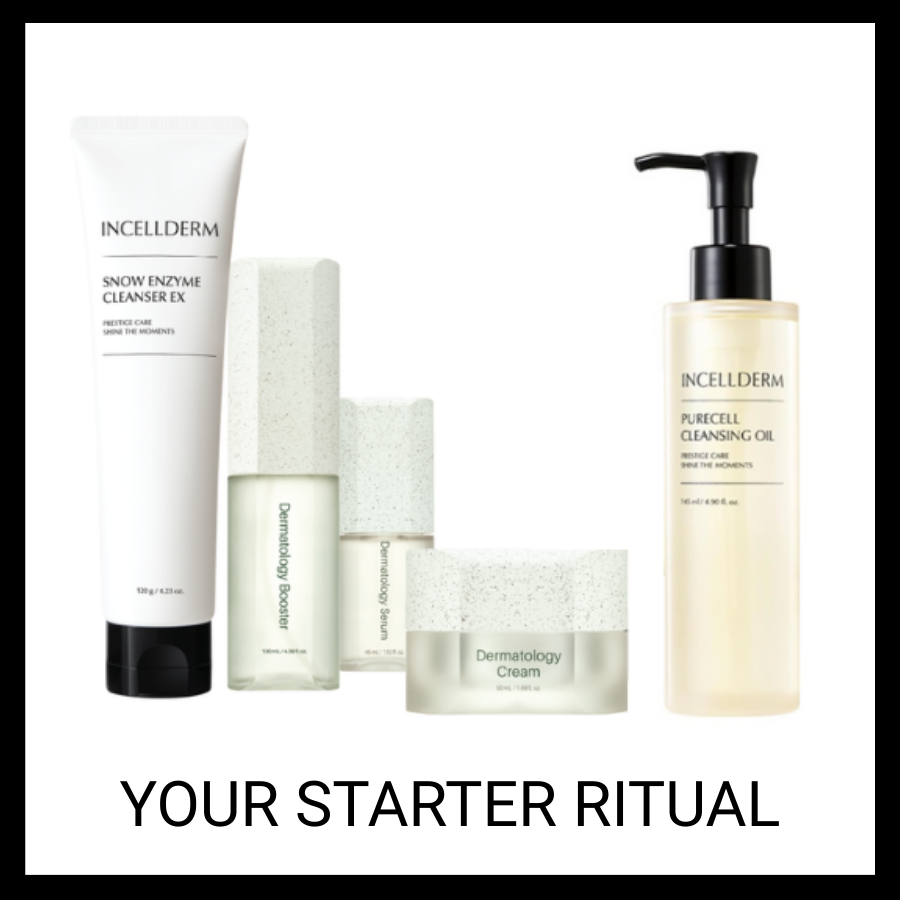
Here’s a simple example using the ICD Dermatology line I use daily:

  • You start with the Moisture Cleansing Oil to dissolve makeup, sunscreen, and the junk that clings to your skin. This isn’t harsh. It’s effective without stripping.
  • Follow that with the Snow Enzyme Cleanser to gently cleanse without wrecking your skin barrier. No tight feeling. No squeaky nonsense.
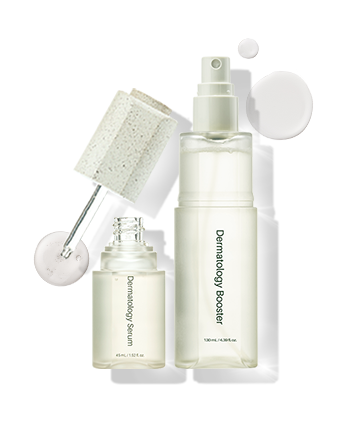
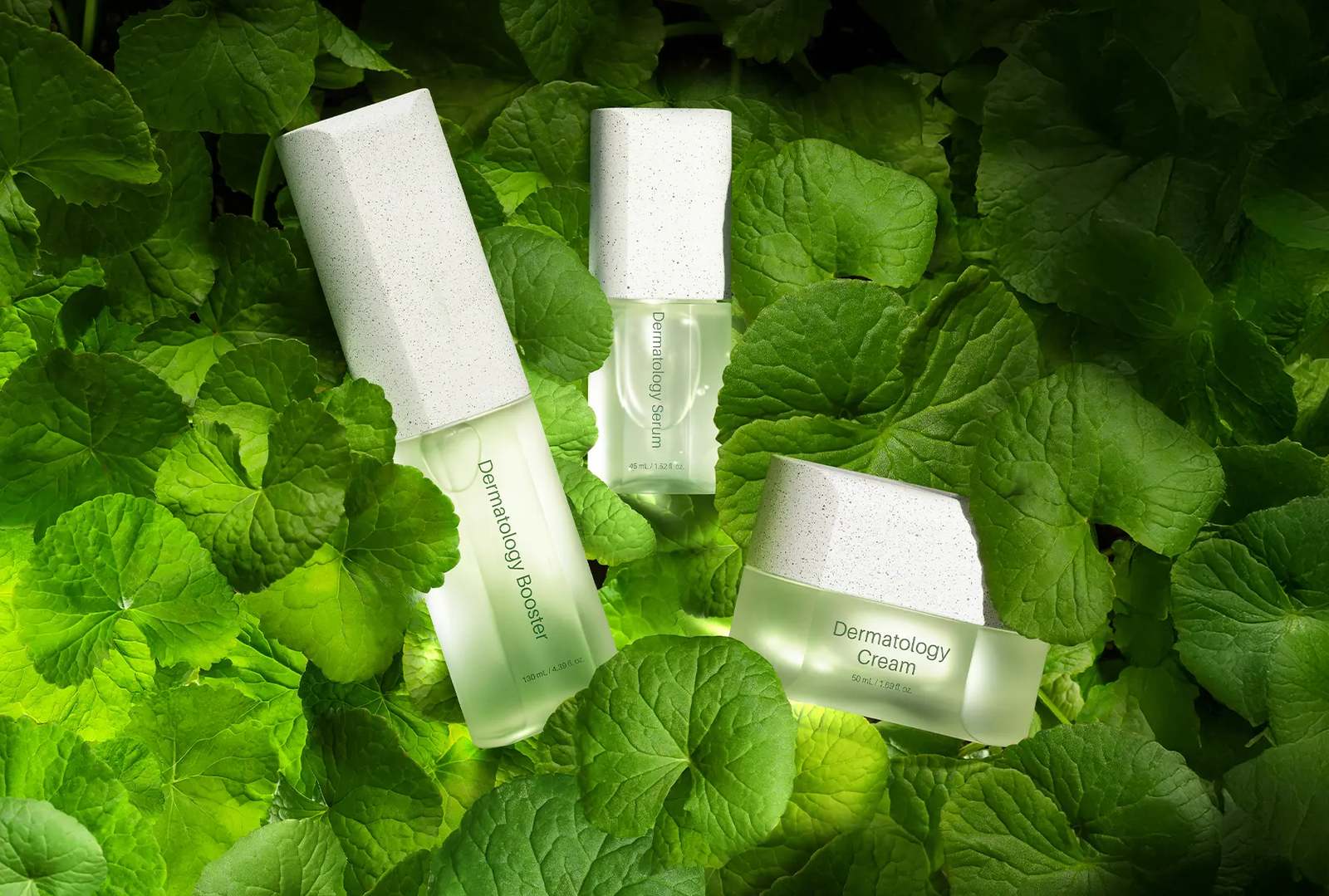
  • Then comes treatment and hydration. The ICD Dermatology Booster and Serum deliver hydration deep into the skin, where aging skin actually needs it. This is where that dewy, glass skin look starts to show up over time.
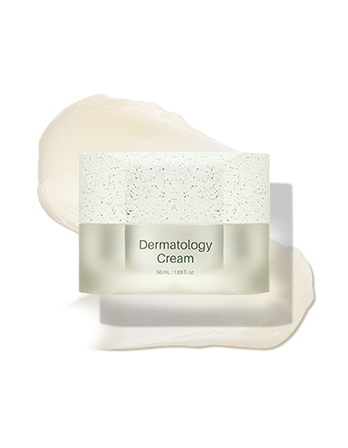
  • You finish with the ICD Dermatology Cream, which seals everything in and supports repair.

That’s the routine. It takes me less than five minutes.

And if I skip it? I can tell. My skin tells on me immediately. That consistency is the point.

Why K-Beauty Works Especially Well for Aging Skin

Aging skin isn’t “problem skin.” It’s skin that needs support.

As we get older, our skin loses its ability to hold onto moisture. The barrier weakens. Repair slows down. And suddenly everything feels drier, thinner, more reactive.

K-Beauty addresses that directly.

Instead of blasting aging skin with aggressive treatments, it focuses on hydration, repair, and barrier protection. When your skin is properly hydrated, it looks smoother. Lines soften. Texture improves. Even areas like the neck respond better.

That’s why my neck stopped freaking me out.

Not overnight. Not magically. But steadily.

Is K-Beauty Cheap? Or Is That a Myth?

This is one of the most misunderstood parts of the conversation.

K-Beauty isn’t “cheap” because it’s low quality. It’s more affordable because the industry prioritizes formulation and results over flashy marketing and inflated med-spa branding.

For example, RIMAN’s cleansers sit right around the $30 range. That’s what you’d pay at Target, Ulta, or Sephora. The serums and creams range higher, but still land well below what most medical spa brands charge for similar results.

If you want a deeper breakdown, I walk through pricing in detail in How Much Does Korean Skincare Cost, What You Need to Know Before You Buy.

The real issue isn’t price. It’s ingredients.

Clean Ingredients Matter More Than Price Tags

Here’s the uncomfortable truth.

If a line is extremely cheap, they’re cutting corners somewhere. And if a brand won’t clearly tell you what’s in their products, that’s not transparency. That’s a red flag.

What sold me on RIMAN was how clean the formulations are, paired with innovation you can’t get anywhere else. They hold 20 patents tied to ingredients sourced from a single place in the world. That’s not marketing fluff. That’s controlled quality.

For the first time in my life, I trusted what I was putting on my skin and stuck with it long enough to see results.

That combination is rare.


This Is Why K-Beauty Sticks

K-Beauty works because it’s sustainable.

It doesn’t ask you to overhaul your life. It doesn’t rely on fear or urgency. It rewards consistency, not perfection.

And once you experience what hydrated, supported skin actually feels like, it’s hard to go back.

If you want to see how this philosophy plays out step-by-step, I break it down in How to Transform Your Skin in 28 Days with the RIMAN Korean Skincare Ritual.

If you’re ready to explore products or learn more about the approach as a whole, you can start on the homepage and take it at your own pace.

No pressure. No hype.

Just better skin, built the smart way.

How to Transform Your Skin in 28 Days

K-beauty has been everywhere for years, which is exactly why it’s not a “trend.” If you’re on TikTok or Instagram (or know a teenager who is), you’ve probably seen the glowing skin routines. I somehow missed all of it… until a friend introduced me to Riman, the #1 K-beauty brand in South Korea that had been quietly circulating in Korean-American communities long before the U.S. ever caught on.

What stood out wasn’t the packaging or the steps. It was the philosophy: calm the skin, hydrate the barrier, and let your face return to the version of itself you forgot was possible.

That’s when I learned two things:

  1. A Korean skincare ritual works because it prioritizes prevention and hydration, not punishment — but not every Korean skincare line can back that up.
  2. Riman makes it simple — five steps, morning and night, with visible changes inside one full skin cycle (28 days). The secret? Two patented ingredients sourced from a single place in the world that only this company has access to. It’s why the results look different — smoother, calmer, brighter.

So let’s get to the part you came for:  the routine you can start tonight.

The 5-Step Riman Korean Skincare Ritual

You don’t need a complicated routine. 

You just need the right products, in the right order, consistently.

Step 1: Double Cleanse (Pure Cell + Snow Enzyme)

Start with Moisture Cleansing Oil to remove sunscreen, makeup, and buildup.

Follow with the Snow Enzyme Cleanser to finish the clean without stripping your skin.

Why it matters: Clean skin = better absorption. This step sets up everything that follows.


Step 2: Optional Hydration Boost (for sensitive or reactive skin)

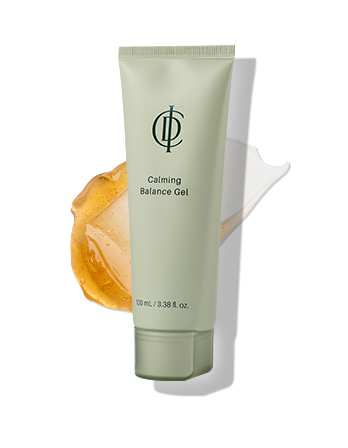
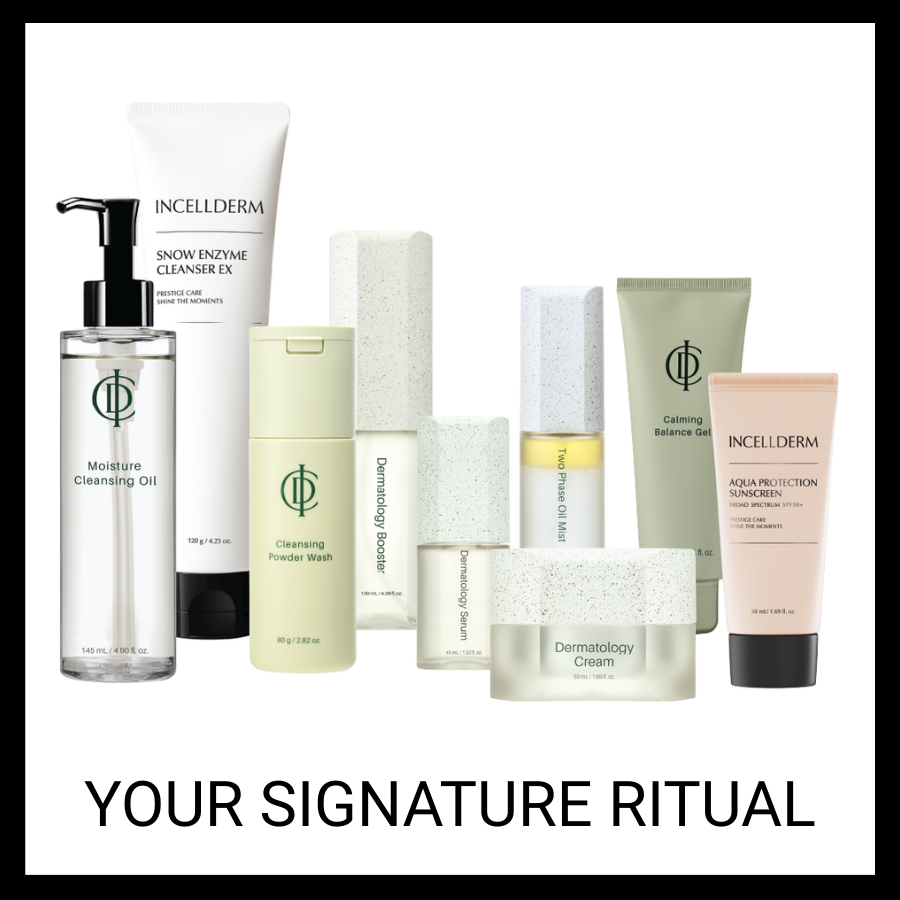
If your skin gets red, tight, or easily irritated, smooth on ICD Calming Balance Gel here.

If not, skip it — this step is only for days your skin needs extra support.


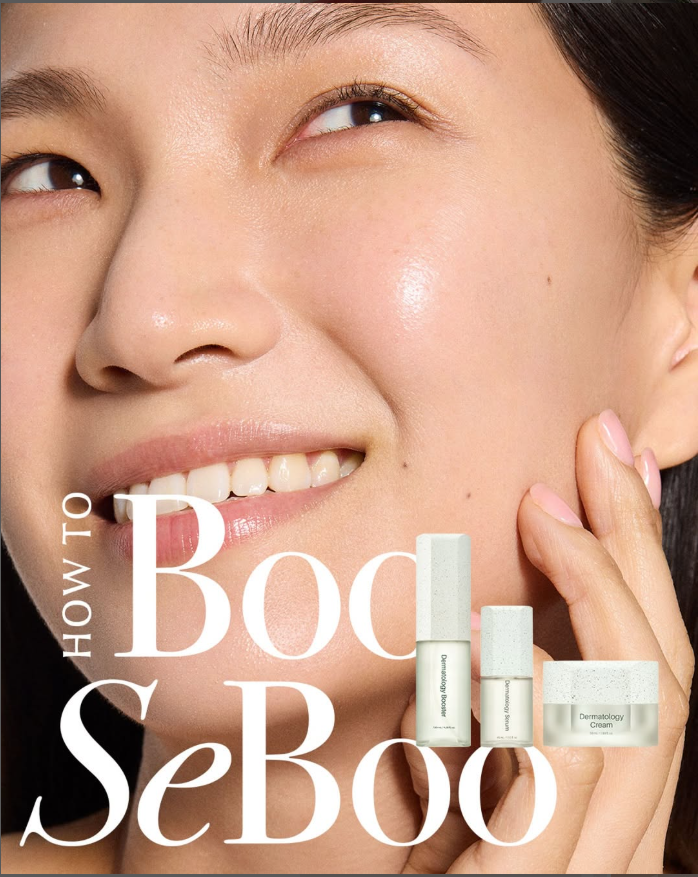
Step 3: Prep With Boo–Se–Boo (Dermatology First Package)

This entire sequence counts as one step in the ritual — it’s simply layering the products inside the ICD Dermatology First Package.

  • Boo: Apply the Dermatology Booster
  • Se: Apply the Dermatology Serum
  • Boo: Finish with a second layer of the Dermatology Booster

Why it matters: This is Riman’s signature pattern. It softens → hydrates → locks in… all using the same set. No extra products. No added steps.

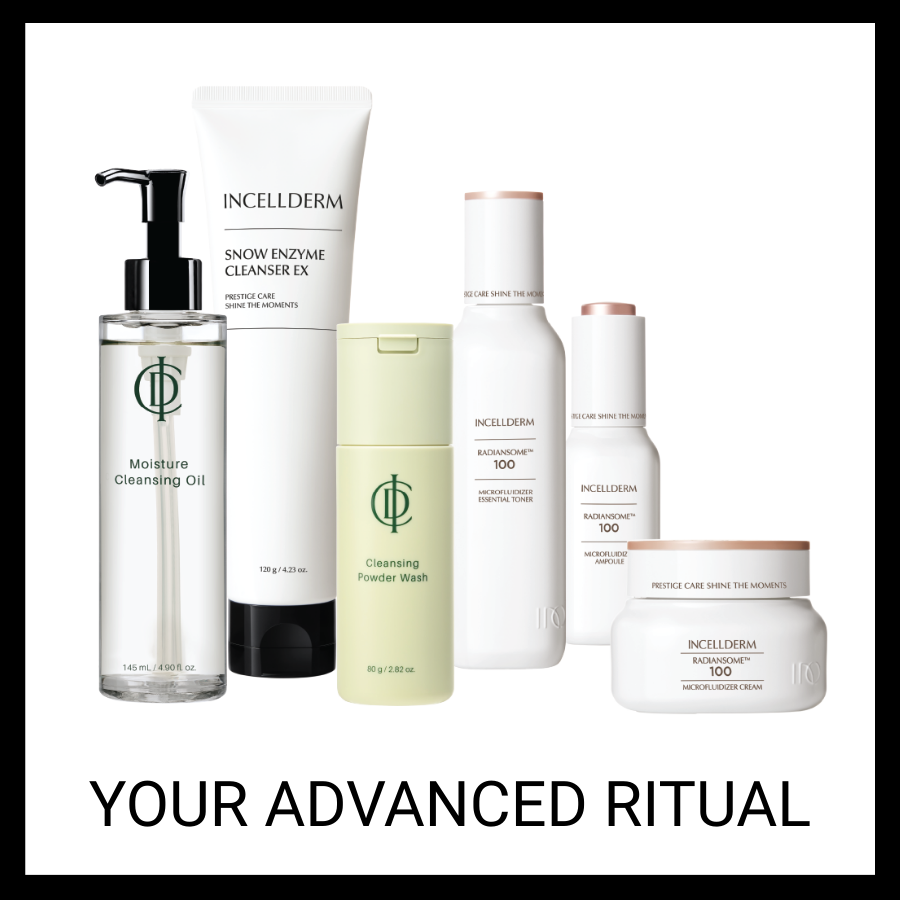
If you want to amplify your results, switch to RADIANSOME™100 Microfluidizer Essential Toner and Serum Ampoule.


Step 4: Moisturize (Day or Night Cream)

During the day, apply ICD Dermatology Cream for lightweight, all-day hydration.
At night, you can switch to RADIANSOME™100 Microfluidizer Cream if you want deeper nourishment.

This is also your eyecream so you don’t need to buy and extra product.

Why it matters: This is what strengthens your barrier so the hydration lasts.

Step 5: Protect (Morning Only)

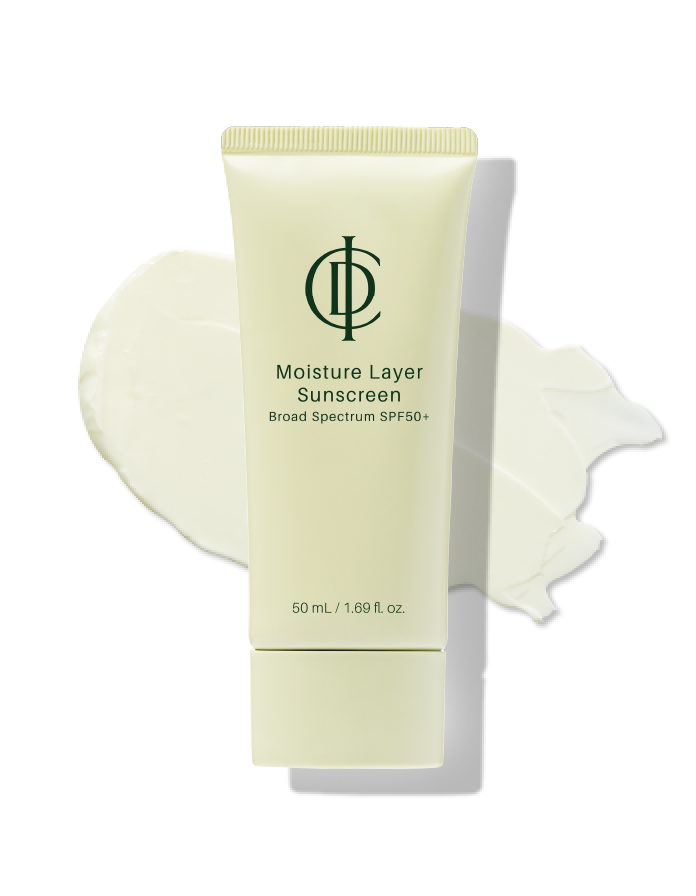
Finish your morning routine with ICD Moisture Layer Sunscreen.

Why it matters: Sunscreen keeps 80% of visible aging from showing up in the first place — and this one blends in beautifully.

What to Expect in 28 Days

Week 1:

Your skin feels more hydrated and less reactive.

Week 2:

Texture starts smoothing. The healthy glow shows up.

Week 3:

Fine lines soften. Tone looks more even. Skin feels balanced.

Week 4:

Your complexion looks noticeably smoother, brighter, and healthier — even without makeup.

So… Where Did Riman Come From? (And Why Haven’t You Heard of It?)

If the name Riman is new to you, don’t assume it’s a small brand or some “up-and-coming” line that just hit the U.S. market. It’s actually the opposite.

In South Korea, Riman is a powerhouse

They built a $2 billion business in five years. The ICD Dermatology Cream is so powerful they sold 35 million jars in a country with 50 million people. They even have their own retail stores — the kind of visibility that tells you a brand isn’t just popular… it’s trusted.

So why haven’t most people in the U.S. heard of it?

Because the way Riman expanded here was nothing like the usual beauty-brand playbook. There was no major launch, no celebrity promo, no “find us at Sephora” announcement. It started quietly, mostly within the Korean-American community, through people who shared it because they were getting results, not because a marketing campaign told them to.

From there, it grew in a way that actually makes sense if you’ve used the products:
affiliates, estheticians, spas, salons, healthcare pros, and entrepreneurs who wanted to offer something that felt aligned with the way they already serve their clients. Some sell it retail. Others use it in treatments. 

For me, it was simple. At 61, my skin looks better than it did in my 30s — and definitely better than all the years I spent chasing procedures and pricey jars. When something works that well, you don’t keep it to yourself. That’s why I said yes to being an affiliate.

Riman isn’t new.

It’s just new to most people here.  And now you know where to start.

……………………………………………….

What Is the 7-Step Korean Skincare Routine?

What is the 7-step Korean skincare routine (and why I love it so much!)

If you’ve followed me for any length of time, you know I’m not the “spend an hour in the bathroom” kind of woman. I can get dressed up. I own the long dresses. I’ve done the gala nights and the full face of makeup. But on a normal day? As an entrepreneur, the less time I spend in front of a mirror, the happier I am so the thought of a 7-step Korean skincare routine was not top of mind.

Which is why the moment that stopped me in my tracks felt so jarring.

It was late 2020. I had invested in a business branding photoshoot—one of those “it’s time to elevate the brand” moments. The photographer sent the proofs, and when I opened the gallery, I swear I felt the floor tilt.

Lines I didn’t realize had shown up. Texture that looked rougher than I’d ever seen. Sun damage. That unmistakable tired look around the eyes no amount of concealer can solve. It was everything at once.

I remember staring at the screen thinking… when did this happen?


And because I’m human, and 2020 was already a year where everything felt out of my control, I went all in on trying to “fix” it.

Three months straight of deep microneedling and cold laser (and a $3,500 price tag).

Botox every four months (another $400 a pop).

Fillers. Retinol. $100–$200 jars of creams from brands you probably know.

I even did cheek threading. Imagine needles and thread pulling my face back to “build collagen.” Spoiler: it hurt like hell.

For a week after each session, I looked like a pufferfish with eyes barely peeking out. The pain in the first 48 hours? Not my best memories. And because those treatments made my skin so vulnerable, I was basically on a vampire day-pass — avoiding the sun like it was out to finish me off.

By the time I turned 60, something in me finally said, this cannot be the only way.

And then a friend who is 62 years old, zero Botox, zero fillers, glowing like she had a personal lighting crew,  introduced me to modern Korean skincare.

She didn’t give me a pitch. She didn’t say “try this miracle.” She just showed me her skin and said, “Let’s do a glow up so you can try the products for yourself.” And that was enough.

Is 7-Step Skincare Too Much?

This is the question everyone asks first, usually with a little eye twitch.

If you’re imagining 45 minutes at your sink each night, let me stop you right now. The classic 7-step Korean skincare routine isn’t about doing everything. It’s about doing the right things in the right order so your skin actually responds… especially if you’re over 50, dealing with sun damage, dryness, dullness, or loss of firmness.

If you’re asking, “Is 7-step skincare too much?” it’s easy to see you don’t want another chore. You want something that works and doesn’t take over your life.

The beautiful part?

The 7 steps aren’t actually seven different products. In Riman’s system, it’s five products arranged in six steps — and sunscreen becomes the seventh if it’s morning.

The routine is simple. The results are what feel dramatic.

What Are the 7 Steps of a Skincare Routine?

Let’s break down what the 7 steps look like in a daily routine (mine), not a Pinterest chart.

Step 1: Oil Cleanser

This melts makeup, sunscreen, pollution, and all the stuff your skin collects while you’re out living your life. I use Moisture Cleansing Oil because it dissolves everything without stripping your skin or making it tight.

Step 2: Water-Based Cleanser

In Riman, this is the Snow Enzyme Cleanser. A pea-sized amount, add water, and it foams into the softest cloud. It clears what the oil loosened and respects your skin barrier.

Step 3: Booster

Think of this as waking your skin up. It preps your face so everything that follows can absorb better

Step 4: Serum

Your targeted treatment step. Hydration, firmness, brightness — this is where active ingredients do their magic.

Step 5: Booster (again)

This is the “Boo-Se-Boo”: booster, serum, booster. It’s a Riman layering technique that changed how my skin held hydration.

Step 6: Moisturizer

In Riman’s EX line, the moisturizer also functions as your eye cream. One product, one step, double duty. If you want to go all in (like I do at night), the RADIANSOME 100 line is amazing!

Step 7: Sunscreen (morning only)

Nighttime routine skips this. But in daylight? Non-negotiable. And the RIMAN Moisture Layer Sunscreen gives you SPF50 plus birch sap and 8-layer Hyaluronic acid for all-day hydration.

That’s it. That’s your 7-step Korean skincare routine. Not overwhelming. Not excessive. Just intentional.

Why Mature Skin (40s, 50s, 60+) Responds So Well

When you’re 25, your skin forgives your choices. When you’re 45 or 60? Not so much. Years of sun, stress, makeup, sleeping in makeup (don’t lie), and “whatever’s on sale at Sephora” form a pattern.

K-beauty, and specifically Riman,  interrupts that pattern because:

  • The formulas support your skin barrier.
  • Hydration comes from both water-rich and oil-rich steps.
  • Products are designed to be layered without irritation.
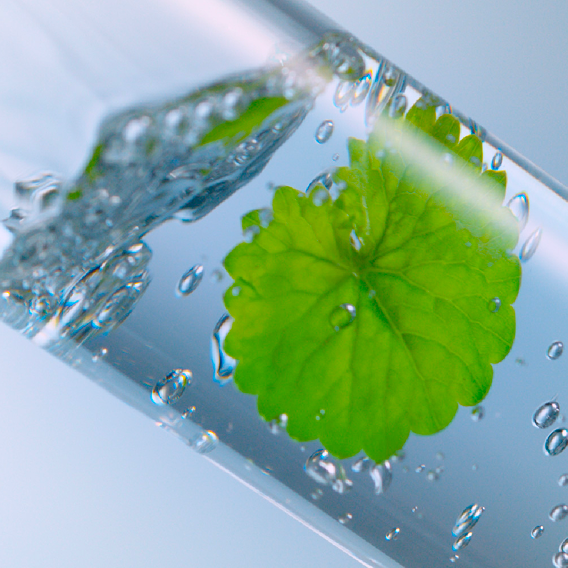
  • They use giant byoungpool leaf water, ceramides, antioxidants, and microfluidizer technology (hello, med-spa results without med-spa pricing).

Your skin isn’t being blasted with harsh actives. It’s being rebuilt.

When I say I haven’t needed Botox or fillers since switching?  I mean it. And trust me, I was the queen of “just one more syringe.”

So… Is 7 Steps Too Much?

Not when:

  • It takes under five minutes
  • Uses products that work together
  • Replaces thousands of dollars in procedures
  • You actually enjoy doing it because your skin reflects the effort

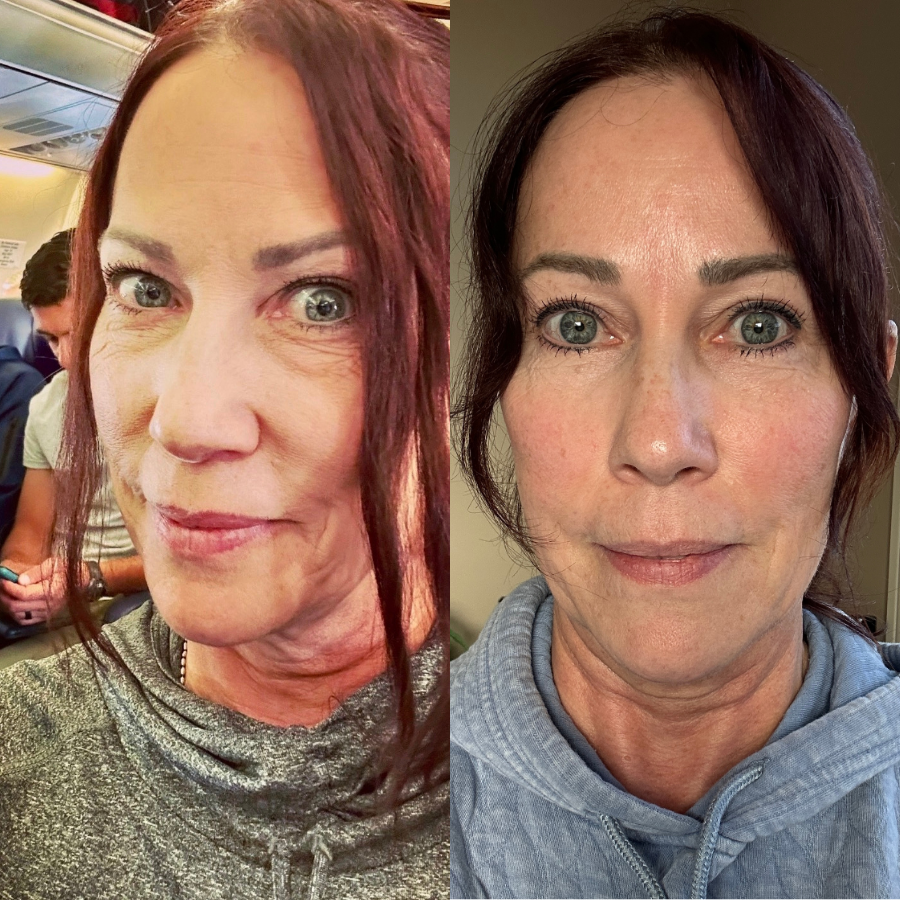
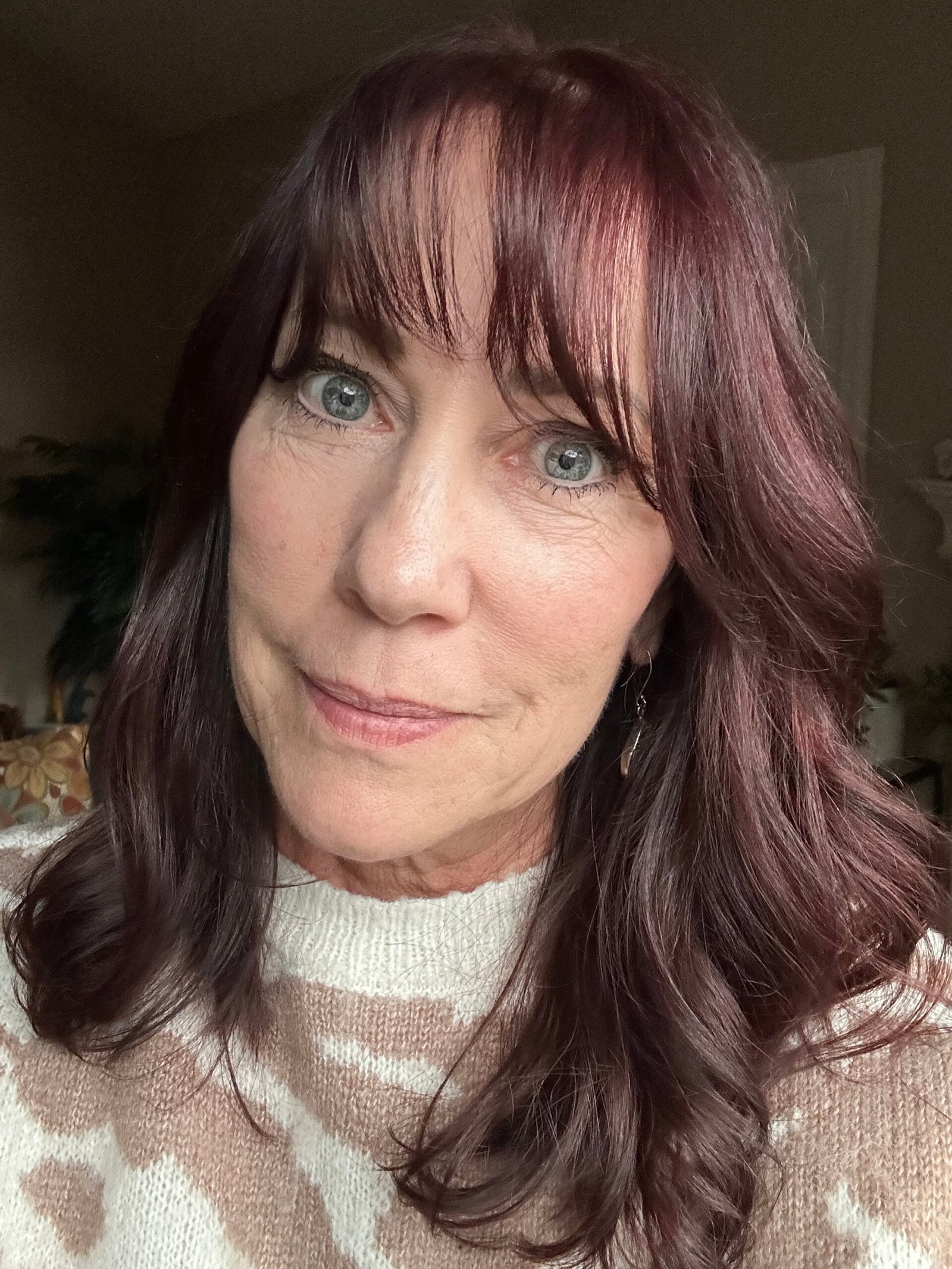
The only routine that’s “too much” is the one you don’t follow. Btw….that’s me at 59 with a filter and at 61 – two months after using the RIMAN ritual.

If You’re K-BEAUTY Curious, Here’s Your Next Step

If you want to try the exact routine I use, the same one that let me ditch Botox and fillers and finally feel good about my skin after 60, you can shop the full Riman ritual here:
Build a routine that actually works for your skin (and doesn’t require a second mortgage).

And, if you want a way to get your products paid for by sharing something that works, check out our affiliate program.

……………………………………………….

What Is the 4-2-4 Rule in Skincare?

(And Why Korean Skincare Swears by It)

If you learned skincare from TikTok, you probably knew about the 4-2-4 rule (also known as “method”) long before I did. Meanwhile, I was over here at 61 still doing whatever the women at my local Ulta counter told me to do… and wondering why my skin looked tired no matter how many “miracle” jars I bought.

Everything changed the day a friend of mine — 62 years old, no Botox, no fillers, and skin so smooth it should be illegal, walked me through my first K-beauty glow-up. I’d tried products from Ulta, Sephora, YouTube recs… nothing worked.

Then she introduced me to clean Korean skincare, the ritual mindset behind it, and this very method you’re reading about now.

And yes — it worked.

So let’s talk about what the 4-2-4 rule actually is, why it’s worth the ten minutes, and how it fits into your routine without feeling like a second job.

The 4-2-4 RULE: Your Weekly Spa-Night “Deep Reset”

Most people searching what is the 4-2-4 rule in skincare want clarity, not chemistry.
Here’s the simple version:

4 minutes oil cleansing
2 minutes water-based cleansing
4 minutes rinsing (2 warm, 2 cool)

That’s it. Ten minutes, once a week, to deeply reset your skin.

It’s rooted in Japanese bathing culture and became popular through Korean skincare because it reflects what K-beauty does best: slow down, cleanse well, and protect the skin barrier.

And yes, you can technically use any brand, but I’m going to tell you exactly what I use, because these products changed my skin.

Step 1: 4 Minutes with Pure Cell Cleansing Oil

This isn’t a quick wipe-off-your-mascara moment.  It’s four full minutes of breaking down makeup, SPF, sebum, pollution, and all the “I live in the real world” debris.

I use Pure Cell Cleansing Oil, and it’s the product that made me believe Korean skincare wasn’t hype. It dissolves everything without stripping your skin or making it feel greasy.

During these four minutes, you massage — lightly, slowly — especially around areas prone to congestion.

Your skin warms up, circulation increases, and your pores soften. This is where the magic starts.

Step 2: 2 Minutes with Snow Enzyme Cleanser

Once the oil has done its job, you add your water-based cleanser.

For me, that’s Snow Enzyme Cleanser—gentle, effective, and part of why Riman emphasizes skin-barrier–safe cleansing.  It lifts away what the oil loosened and removes water-based debris like sweat and pollution particles. These two minutes are important.

If you’re wondering: Does the 4-2-4 method work? This is the part that answers that question. You’re not scrubbing harder — you’re cleansing smarter.

Step 3: 4 Minutes of Rinsing

Yes, the rinse matters.

2 minutes warm water to melt away residue
2 minutes cool water to calm the skin and support circulation

I let my skin air dry — no rubbing, no tugging.

This completes the 4-2-4 Korean skincare method, and if you’ve ever wondered why women over 50 look unbelievably glowy in Korean skincare transformations… this step is one of the reasons.

This is your at-home spa night, so light a candle and turn on a playlist.
Let it be the thing you do for you.

(What You Use After 4-2-4 Matters

After a 4-2-4 ritual, your skin is basically saying, “Okay, I’m wide open so give me something good.” This is when your products work harder for you. 

I follow it with my full Riman ritual. That combination gives me hydration, firmness, and a healthy glow without feeling heavy or greasy. Think of it as finishing the spa moment you just created for yourself. If you’re giving your skin ten minutes of deep self-care, the products you apply afterward should rise to the occasion.

The full Riman ritual includes the BooSeBoo (serum, booster, serum) plus a moisturizer, which is also your K-beauty eye cream). You will notice the difference immediately! Your skin looks hydrated, smoother, more even. If you’re over 50 (or over 40, or honestly any age), what you put on your skin matters.

Is This a Daily Routine?

Absolutely Not.

If you read “4-2-4 skincare” and think you must spend ten minutes cleansing every morning and night, you’ll shut the browser and run.

Here’s how I actually do it:

Once a Week: My 4-2-4 Spa Night

The full ritual above.

Morning Routine (Fast & Easy)

I’m a get-in-the-shower-and-get-moving kind of human, so my morning routine has to be quick. 

I keep the Active Cleanup Powder in the shower and use it there. It’s quick, gentle, and gets the job done without stripping my skin. When I get out, that’s when I do what I call my “Boo-Say-Boo” — Booster, Serum, Booster — and then apply my moisturizer from the EX line all over my face (it’s an eye cream too). I layer everything while I’m getting ready, and the whole thing takes just a couple of minutes before makeup.

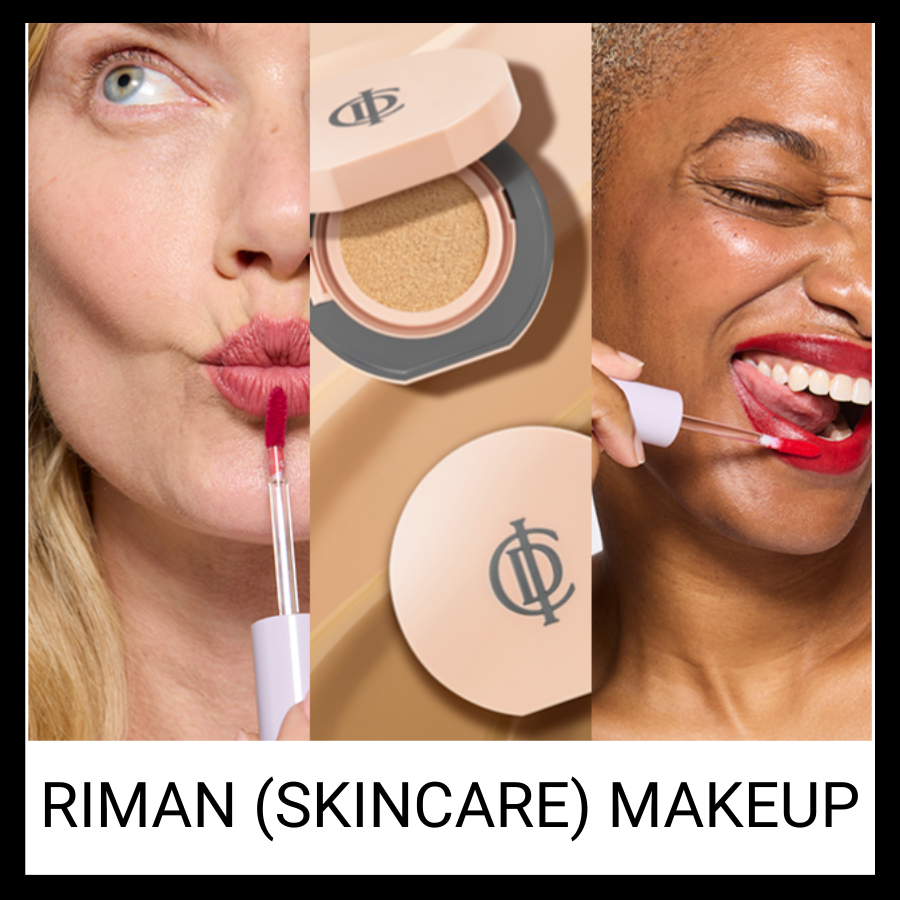
And yes, I always apply sunscreen afterward. I don’t count it as part of the ritual, but it’s non-negotiable. I also use Riman makeup because it has skincare built in, so it feels more like I’m finishing the routine instead of covering it up.

Nightly Routine (Quick but thorough)

At night, I take my time a little more—not 4-2-4 level time, but enough to treat my skin with some intention. I start with the Pure Cell Cleansing Oil, then the Snow Enzyme Cleanser. That cleanser is wild  (it foams, then disappears on your face), but it gets every bit of leftover grime out.

After cleansing, I switch to the RADIANSOME™100 line for the toner, serum and moisturizer. What makes this different is the Microfluidizer technology. In Layman’s terms, it’s med spa level skincare without the med spa level price. I didn’t start there, and a lot of women are perfectly happy with the EX line at night, but my skin loves the extra nourishment of the 100 line while I sleep. It’s simple, consistent, and takes maybe five minutes from start to finish.


Who Is the 4-2-4 Method Good For?

Great for:

  • Anyone who wears makeup or SPF
  • Anyone dealing with congestion or dull skin
  • Anyone wanting to boost glow without harsh exfoliation
  • Anyone +50 wanting a gentle but effective deep cleanse

If your skin is very sensitive or very dry, start once every other week and adjust based on how your skin responds.

Does the 4-2-4 Method Work?

Short answer: yes.
Long answer: it works because it follows what K-beauty has always prioritized:

  • proper cleansing
  • respecting the skin barrier
  • hydration
  • circulation
  • consistency

Riman builds on this philosophy. From patented giant byoungpool leaf and JeJu lava water in the EX line to the science-backed formulas developed for hydration and skin integrity— these routines support the whole skin system, not just the surface.

When you cleanse well, everything else works better.

Want to try the exact products I use?

It’s the simplest way to build a routine that works, especially if you’re 40, 50, 60+ and ready for skin that actually reflects how good you feel.

If you have more questions…check out our RIMMAN skincare FAQ page here.

How Much Does Korean Skincare Cost?


The first thing I learned when I switched to K-beauty was this:

You don’t need 10 steps or a bathroom full of bottles. You need formulas that support your skin instead of stressing it.

Which leads to the question most people Google first:

How much does Korean skincare cost

… and is it worth it?

Here’s where the conversation turns a corner.

If you are already feeling overwhelmed by the endless shelves of K-beauty products, dipping into a K-beauty skincare routine without really knowing where to start, or grabbing a random serum at Ulta hoping something might finally work.

I get it because I’ve done the same thing. The part no one tells you?

Price doesn’t equal performance. Ingredients do… and so does consistency.

Once I understood that, everything about my skin changed.

So let’s break this down in a way that actually makes sense.


So the short answer?  It depends on the brand and the ingredients you’re choosing.

If you’re wondering where to buy authentic K-beauty products online, you can find K-beauty skincare at places like Olive Young Global, SokoGlam, YesStyle, or StyleKorean. You’ll see familiar brands like CosRX, Laneige, and Beauty of Joseon. Those are great entry points, but they’re mainstream, which means the formulations are widely shared and not exclusive.

Riman is different because its technologies are protected by 13 global patents and two proprietary ingredients that no other company in the world can use. And you can buy it online in the U.S.

Can men use Korean skincare?

Absolutely!  Korean skincare focuses on skin health and barrier repair, not gender. The same routines work for men and women, especially when the formulas are focused on hydration and strengthening the skin.

❓ What made you choose Riman?

❓ Can I USE the same routine you use?