Self-Care Ideas That Go Beyond Baths and Bubble Tea
A Different Take on Self-Care That Starts With What You’re Already Doing
What are examples of self-care?
Most people would say things like going for a walk, taking a bath, journaling, reading, stretching, unplugging from your phone, or doing something creative. These are all common self-care ideas, and they absolutely matter. They help reduce stress, support mental health, and give your nervous system a break from constant input.
But here’s what doesn’t get talked about enough.
Most self-care advice focuses on adding something new to your life. One more habit. One more ritual. One more thing you’re supposed to make time for, usually when you already feel stretched thin.
And if you’re a woman over 50, chances are you’re juggling a lot. Work. Family. A business. Aging parents. Your own energy levels. You’re not lacking discipline…you’re managing real life.
So what if self-care didn’t start with something extra?
What if it started with the things you’re already doing every day, and simply doing them with a little more intention?
That’s where this gets interesting. Because some of the most effective self-care isn’t about escaping your life. It’s about changing how you move through it — including the way you care for your skin.
Skincare as Self-Care (Not the Way You’ve Been Taught)
Healthy, radiant skin after 50 doesn’t come from fighting your face or chasing the next miracle product. It comes from understanding what your skin needs now and building a routine that works with your body instead of against it.
Small adjustments.
Better ingredients.
Consistency over intensity.
When you look at skincare this way, it stops being cosmetic and starts functioning like real self-care—something you return to daily and weekly because it supports you, not because you’re trying to fix yourself.
And yes, it can become one of the most grounding forms of self-care you have.
Exfoliation: A Daily Self-Care Reset (Not a Weekly Punishment)
As we age, our skin doesn’t shed dead cells the way it used to. Cell turnover slows, which means dull, lifeless layers tend to linger on the surface. That’s why skin can start to look rough, uneven, or tired — even when you’re using “good” products.
This is where exfoliation comes in, but not in the harsh, once-a-week way many of us were taught.
Scrubs, peels, and aggressive exfoliants can leave mature skin irritated and reactive. Instead of helping, they often create another problem to manage.
What works better at this stage of life is gentle, consistent exfoliation — the kind that fits into your daily self-care rhythm instead of disrupting it.
Rather than shocking your skin once a week, you support renewal a little at a time, every day, in a way that protects the skin barrier.
A helpful way to think about exfoliation: it should feel supportive, not corrective.
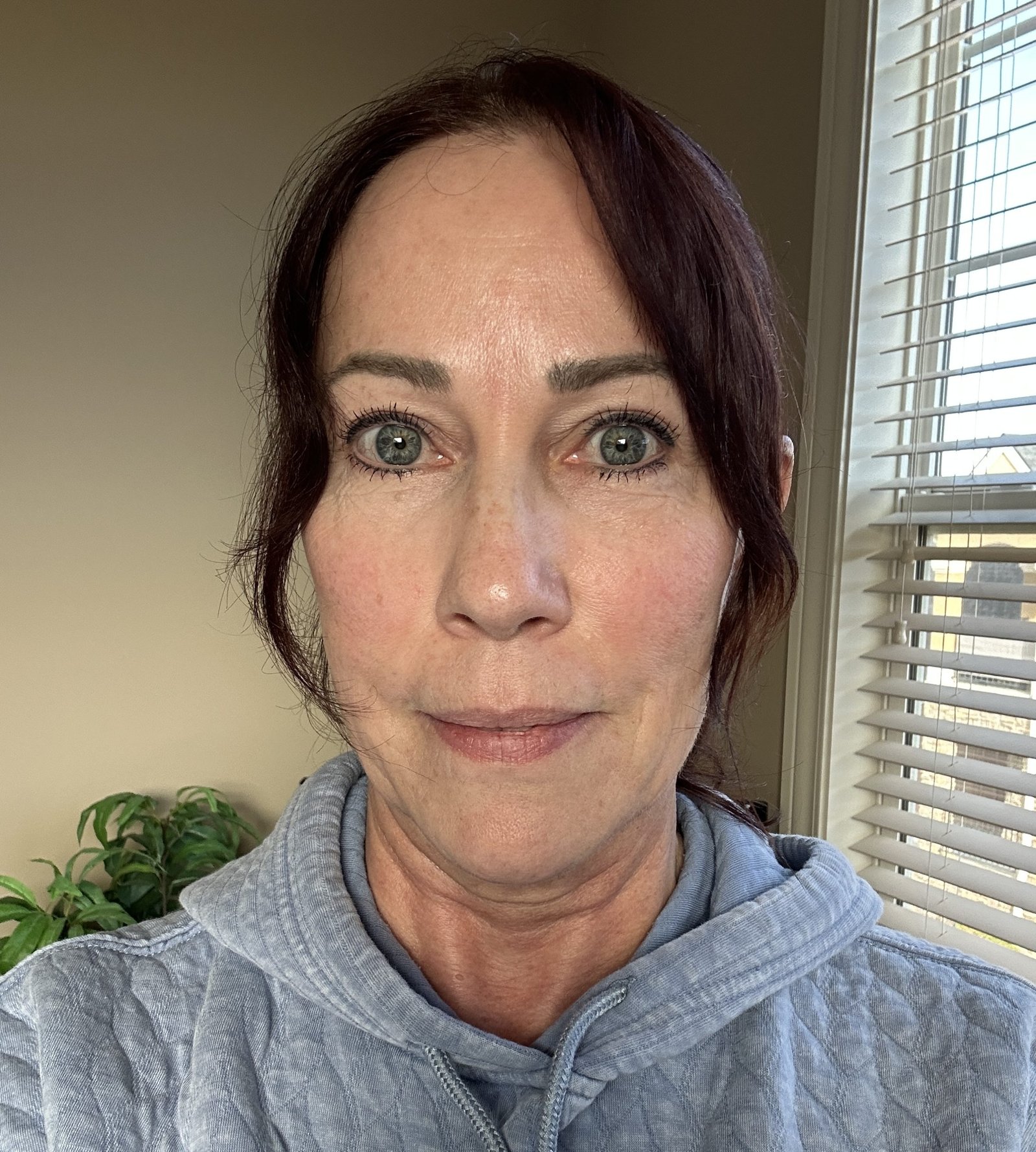
At 61, I’ve tried a lot of exfoliants over the years. What finally made the difference was stepping away from harsh weekly exfoliation altogether.
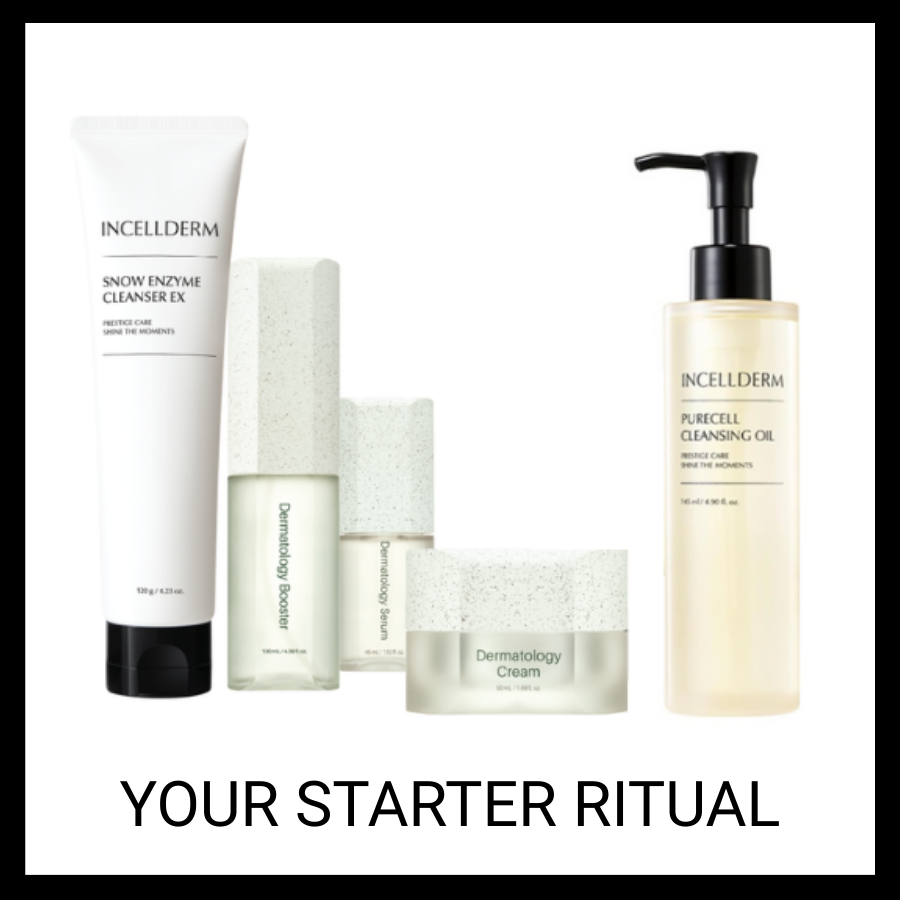
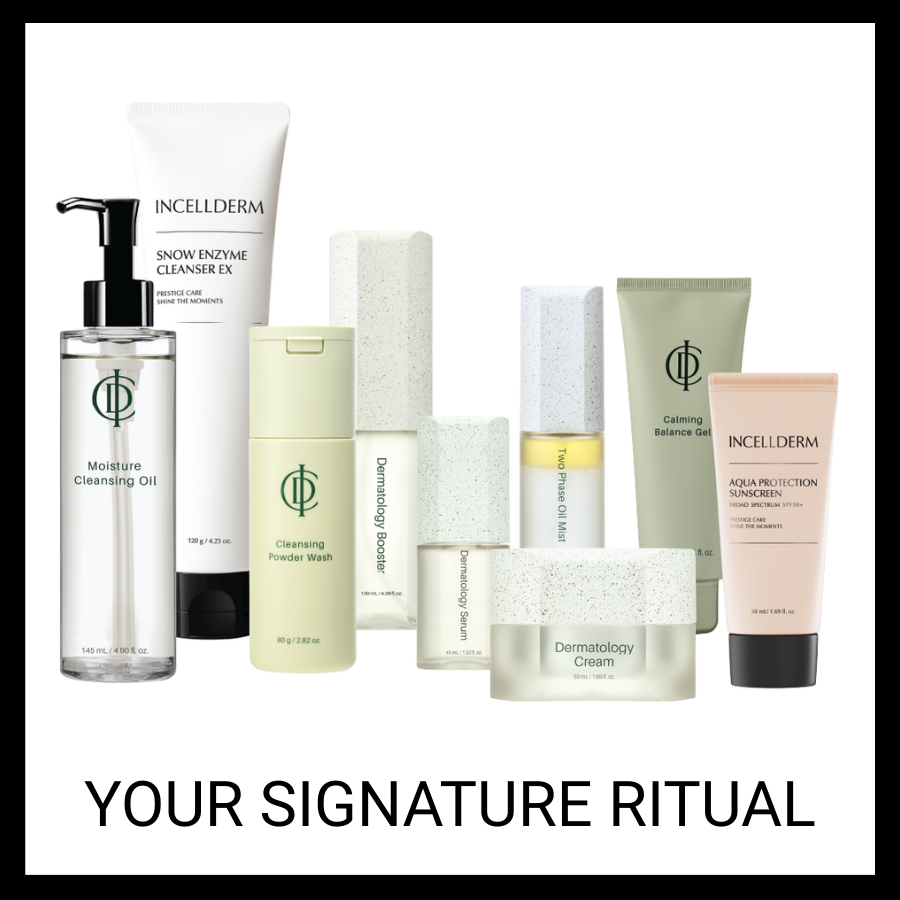
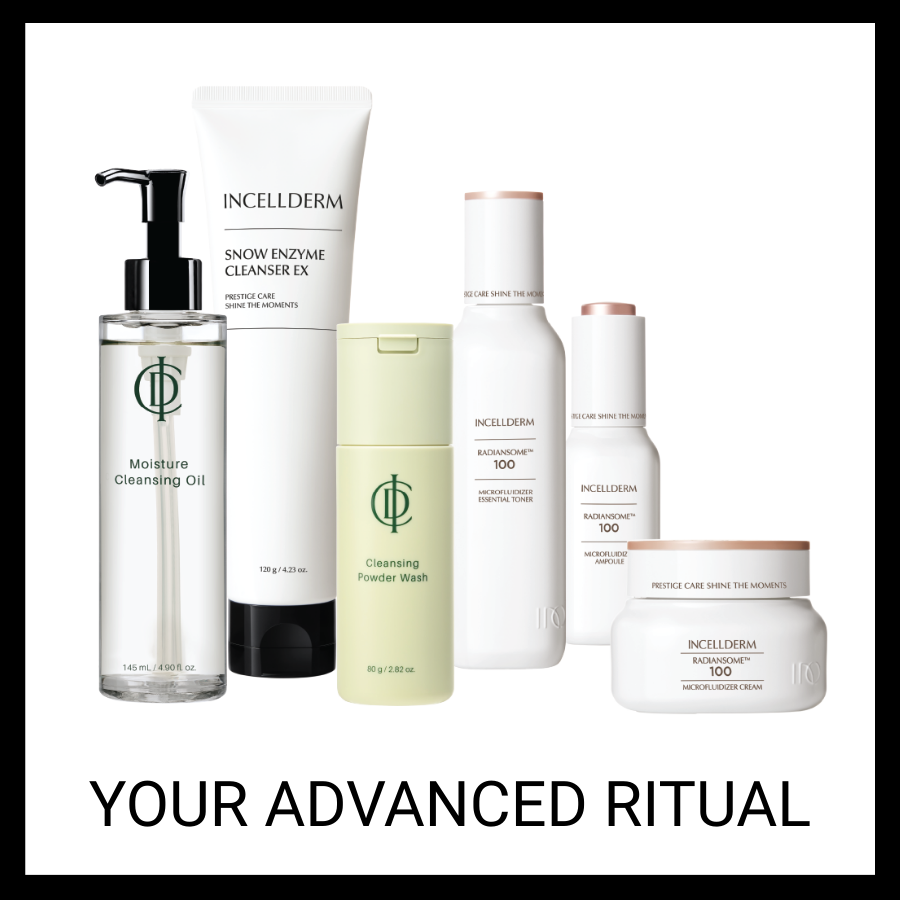
In the morning, usually in the shower while I’m getting ready (and yes — my goal is to get in and out quickly), I use the ICD Cleansing Powder Wash. It exfoliates, but it’s gentle enough that I can use it daily without irritation.
At night, as part of my double cleanse, I use the Snow Enzyme Cleanser. It’s also a gentle exfoliant, which means my skin stays smooth without ever feeling overworked.
Because of these two products, exfoliation became part of my daily self-care, not a once-a-week gamble.
That’s not doing more. That’s doing what actually works.
Facial Oil + Massage: Turning an Everyday Habit into Self-Care
This is one of those steps that looks optional until you experience what it changes.
Facial massage boosts circulation, encourages lymphatic drainage, and helps reduce puffiness, especially around the jawline and under the eyes. But just as importantly, it forces you to slow down.
And slowing down is where self-care actually lives.
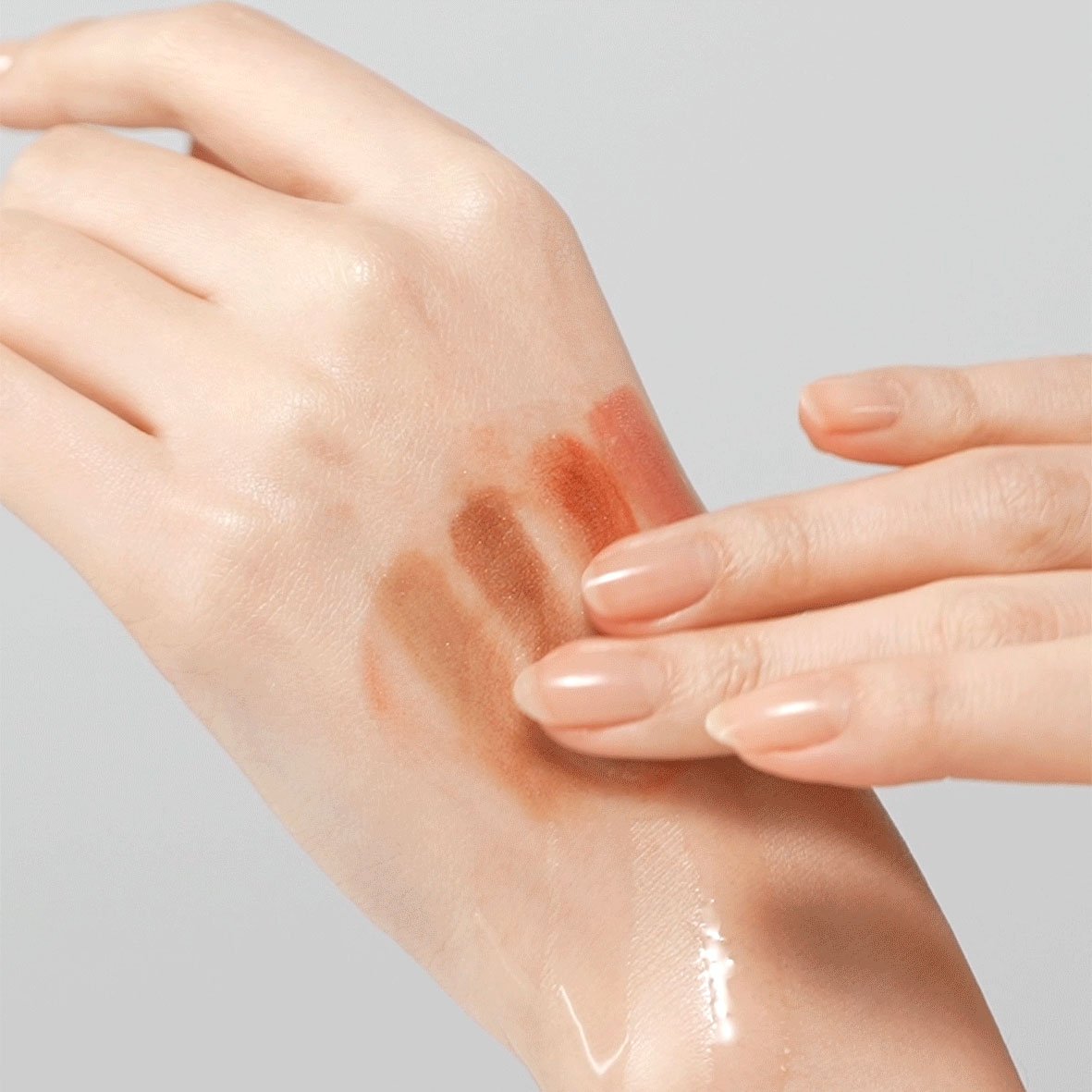
At night, I use Pure Cell Cleansing Oil as the first step of my double cleanse. While the oil is on my skin, I gently massage my face for about two minutes. Sometimes I use my hands. Often, I use a gua sha tool (This is the one I bought for $6.99).
No complicated routine. Just light pressure and two minutes while you’re already washing your face.
This simple step encourages circulation, helps reduce fluid retention and creates a pause before bed. That pause matters.
For years, washing my face was something I rushed through. Shower. Cleanse. Done. Especially as a business owner, my goal was speed, thinking about how fast I can get ready and move on to the next thing.
I never stopped to think that those same minutes could become self-care for me until I reframed them. The products I use changed and my intention did too.
This step is rooted in a Korean cleansing method called the 4-2-4 rule, which focuses on oil cleansing first, followed by a gentle foam cleanse and a water rinse, all designed to clean deeply without stripping the skin. I break that method down in detail here if you want to understand why it’s so effective for mature skin.
Self-Care Sunday: Your Weekly Hydration Ritual
Daily routines keep your skin stable.
Weekly rituals are what help it recover.
As estrogen declines, skin loses its ability to retain moisture efficiently. That’s why hydration becomes more than a nice-to-have; it’s essential for comfort, elasticity, and resilience.
Once a week, I treat this as Self-Care Sunday.
Sunday night, before bed, I use the Collagen 100 Melting Mask, activated with a booster. I do it intentionally at night so the collagen and hydration can sit on my skin while I sleep.
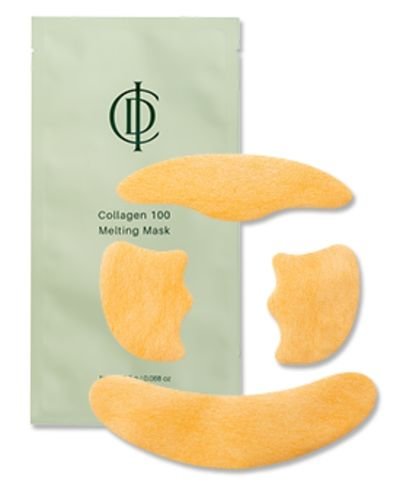
Not only does the mask help soften the appearance of fine lines, it also restores hydration and support that time and hormones naturally pull away — which is exactly what mature skin needs most.
Most skincare products use distilled water as their base. That works, but it’s basic. The booster I use contains Jeju lava water, a mineral-rich water found in one place in the world. Those minerals support deeper, more effective hydration — something mature skin needs far more than aggressive actives.
This weekly self-care ritual:
- deeply hydrates without heaviness
- supports elasticity and comfort
- leaves skin looking rested and plumper
But just as important, it gives me permission to stop for ten minutes.
That’s not indulgence. That’s self-care working exactly as it should.
Bringing It All Together: A Simple Daily Skincare Rhythm
Once exfoliation, facial massage, and weekly hydration are working together, your daily routine becomes much simpler.
You don’t need every product in the lineup. You need the right order, the right ingredients, and consistency.
Your morning routine supports and protects your skin so it can handle the day.
Your evening routine is about repair, restoration, and slowing down.
When skincare is approached this way, it naturally becomes part of your daily and weekly self-care routine, something that supports you instead of demanding more from you.
If you want a deeper breakdown of how this fits into a Korean skincare philosophy, I’ve linked my full 7-step Korean skincare routine so you can see how everything layers without overwhelm. That focus on barrier support, hydration, and consistency is exactly why I ultimately switched to Korean skincare after trying countless products over the years.
A Final Word on Self-Care (and Permission)
There are endless self-care tips out there. Some are helpful. Some are overwhelming. Most assume you have more time than you actually do.
Sometimes the most powerful self-care isn’t adding something new, it’s shifting how you show up for what you’re already doing.
- Washing your face.
- Taking a shower
- Getting ready for bed.
When you slow down just a little and choose to honor that time, those moments stop being chores and start becoming care.
That’s the real mindset shift.
Not more self-care. Just more intention. And that’s something you can start tonight.
If You’re K-BEAUTY Curious, Here’s Your Next Step
If you want to try the exact routine I use, the same one that let me ditch Botox and fillers and finally feel good about my skin after 60, you can shop the full Riman ritual here: